Weekly Dispatch
Week of January 8–14, 2023
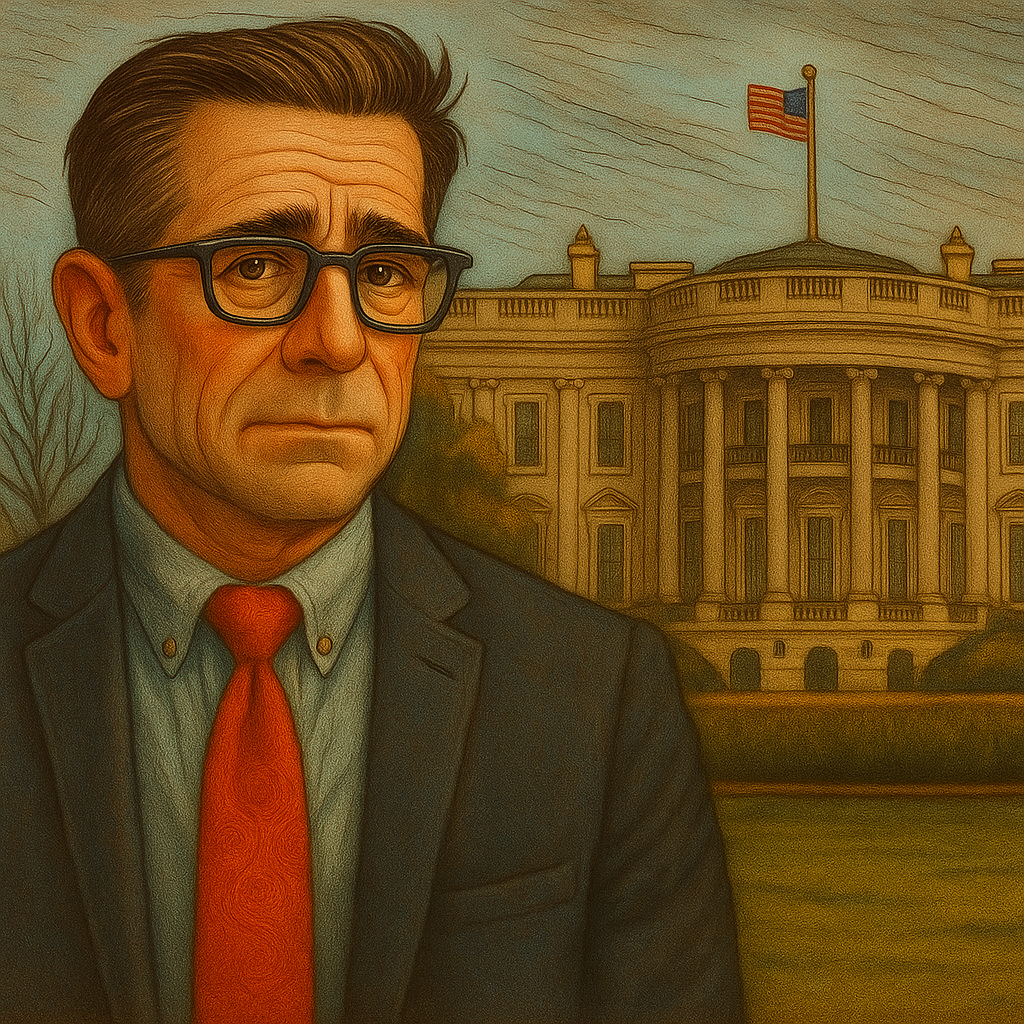 The House began real work at last. Rules were adopted, committee ratios negotiated, and the new majority announced an investigative slate centered on the pandemic, the border, and federal law enforcement. Leadership moved to create a “Weaponization of the Federal Government” select panel under Judiciary, signaling two tracks for the year: spending fights and oversight theater. Freshmen picked offices, constituent casework resumed, and the legislative calendar finally took shape after a week of paralysis.
The rules package reflected the price of the gavel. A single member could now trigger a motion to vacate the chair; caps were placed on spending increases; and open amendments returned on appropriations, inviting floor fights later in the year. For a few days, the public also saw the chamber from unusual angles after C-SPAN’s roaming cameras during the Speaker balloting went viral. Once order returned, control reverted to the official House feed and the moment of transparency ended.
Abroad, the week opened with a jolt that looked uncomfortably familiar. On January 8, far-right supporters of former Brazilian president Jair Bolsonaro ransacked the Congress, the presidential palace, and the Supreme Court in Brasília, breaching security and vandalizing chambers. President Luiz Inácio Lula da Silva ordered a federal intervention in the capital’s public security; senior officers were removed, and hundreds of rioters were detained. U.S. officials condemned the violence, while attention turned to Bolsonaro’s extended stay in Florida and to questions about coordination among extremist networks.
In Mexico City, President Biden met with Canada’s Justin Trudeau and Mexico’s Andrés Manuel López Obrador for the North American Leaders’ Summit. The agenda focused on migration enforcement, fentanyl trafficking, supply chains for semiconductors and critical minerals, and clean-energy standards. The leaders announced working groups to reduce reliance on Asia and pledged coordination on fentanyl precursors, but border communities saw little immediate relief.
Another story broke closer to home. The White House confirmed that a small number of classified documents had been discovered in November at the Penn Biden Center in Washington, tied to Biden’s vice-presidential files. Additional materials were found later in the week at his Wilmington residence. Attorney General Merrick Garland appointed former U.S. Attorney Robert Hur as special counsel on January 12, ensuring an independent review alongside the ongoing investigation into records recovered from former President Trump’s Mar-a-Lago estate.
Infrastructure and weather again dominated the West Coast. Successive atmospheric rivers drenched California, saturating ground already overwhelmed by earlier storms. Levees overtopped in farm counties, mudslides closed highways in the Santa Cruz Mountains, and emergency crews carried out rescues from Sonoma south to Santa Barbara. Reservoirs rose after years of drought, but much of the gain arrived as destructive floods rather than managed recovery.
Midweek, an FAA system outage forced a nationwide ground stop—the first since 9/11 to originate from the agency itself. Flights were delayed across the country as technicians rebooted systems and traced the failure to a corrupted database file. The disruption came just weeks after the Southwest Airlines holiday collapse, amplifying scrutiny of aviation IT resilience.
The economic picture remained divided. Tech companies continued layoffs—Coinbase cut another 20 percent—while the December inflation report showed headline CPI easing to 6.5 percent, with goods prices cooling as core services held firm. Markets interpreted the data as a signal that rate hikes could slow.
In Ukraine, fierce fighting continued around Soledar as Russian forces, including Wagner Group units, claimed advances amid heavy casualties. Kyiv disputed gains and appealed for ammunition, while allies discussed armor transfers and air-defense support ahead of another Ramstein meeting.
Public health entered a new phase. The FDA proposed a once-yearly COVID-19 booster model similar to flu shots, citing reduced hospitalizations even as winter infections persisted. Hospitals still reported strain from RSV and influenza, but data showed the combined surge receding from holiday peaks.
By Saturday, Washington’s machinery had restarted: a Speaker gavel in place, committees forming, oversight targets named. Abroad, a democracy counted broken windows and arrests. At home, flights were moving again, floodwaters were still moving too, and inflation was—for the first time in a while—moving in the right direction.
Markets closed the week higher as investors balanced easing inflation against cautious earnings forecasts. Treasury yields dipped, oil rose on signs of Chinese recovery, and the year’s first full week ended with the government back at work and the economy still holding its breath.