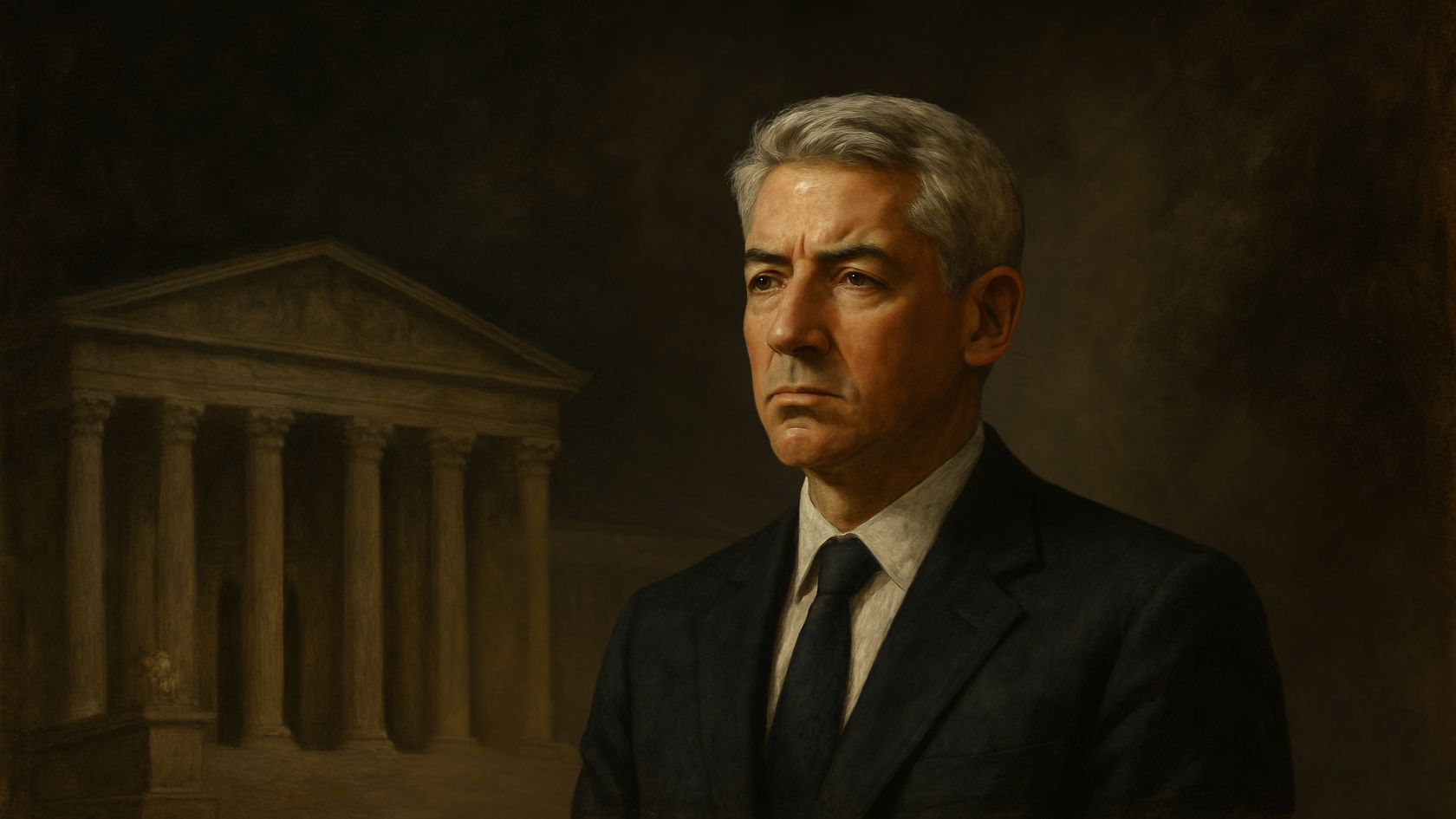
 Bill Ackman isn’t a celebrity CEO or a media tycoon. He’s something more dangerous: a billionaire who operates quietly but effectively at the intersection of money, politics, and public perception. Ackman’s strategy has always been the same: use capital to move outcomes. He now does the same with ideas, tweeting policy arguments and political endorsements to over a million followers on X, knowing markets and institutions listen.
As founder of Pershing Square Capital Management, Ackman made his fortune with high-risk financial bets—and now uses that fortune to shape institutions, influence elections, and redefine the boundaries of civic engagement.
Most Americans don’t know his name. But that hasn’t stopped him from reshaping Harvard’s leadership, tilting policy debates, and publicly endorsing Donald Trump after years of supporting Democrats. His X feed reads like a cross between a hedge fund memo and a political campaign, where markets, ideology, and ego blur together.
Ackman’s power isn’t in office—it’s in outcome. Whether it’s advocating for privatizing federal mortgage giants (where he holds massive stakes), or weighing in on university antisemitism policies, he treats politics the same way he treats stocks: as positions to leverage, not ideals to uphold.
That’s what makes him emblematic of a larger crisis. When wealth becomes a substitute for democratic process—when billionaires influence national decisions more than voters—our republic turns speculative. Ackman isn’t the cause. He’s the bellwether.
And until we confront the structures that make his influence both legal and effective, the house will always win.