Weekly Dispatch
Week of October 10 – 16, 2021
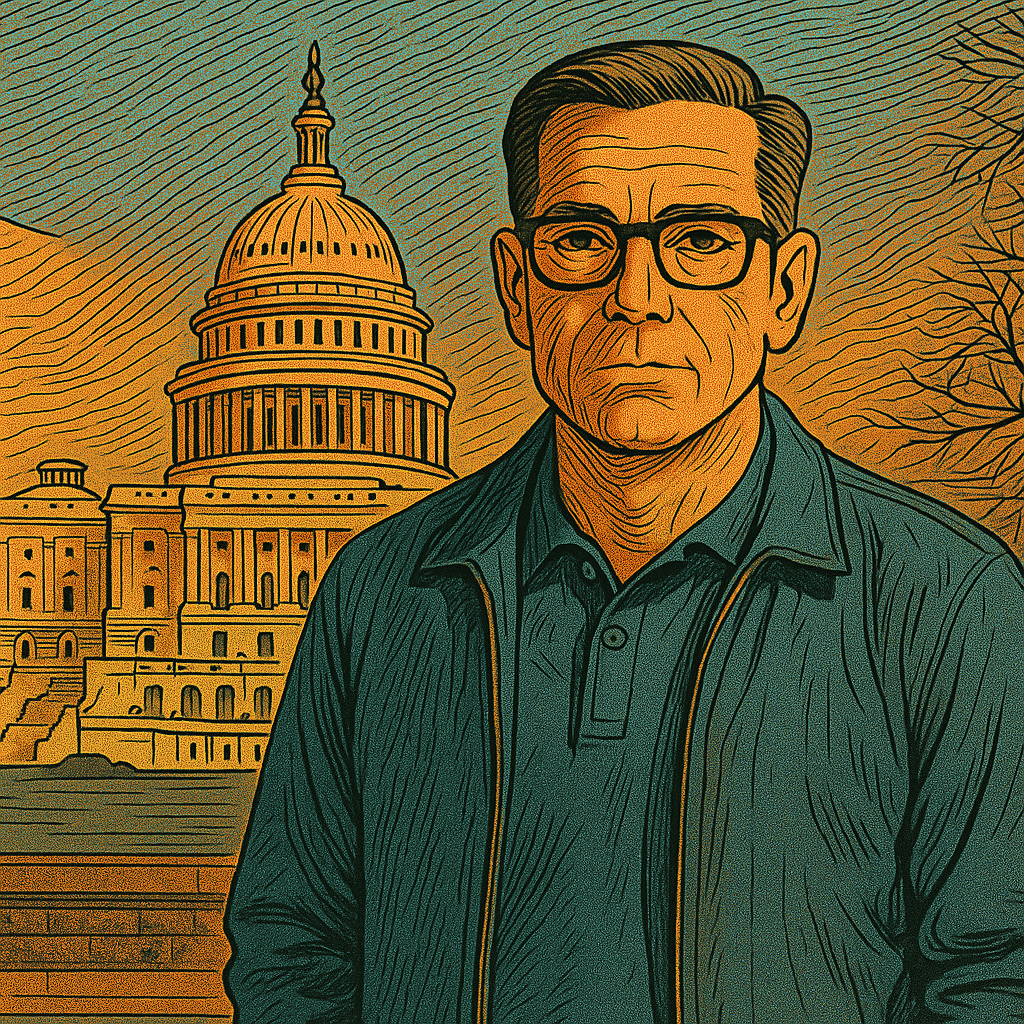 Washington governed by extension and subtraction. The short-term deal to raise the debt limit into December removed one cliff but left the canyon. Inside the majority, the social-spending framework was scaled to fit a fifty-vote Senate: climate credits trimmed, paid leave compressed, community-college hopes downgraded to pilots. Senator Joe Manchin repeated his ceiling and cautions; Senator Kyrsten Sinema stayed offstage while staff traded pages. The White House replaced “transformative” with “sustainable,” an admission that scope now answered to arithmetic.
The economy translated politics into waiting. October’s inflation print landed at 5.4 percent year-over-year, with energy and shelter leading and groceries joining the march. The word transitory hung in the air like a question. More visible than prices were the lines: container ships anchored outside Los Angeles and Long Beach; truck gates met by chassis shortages; warehouses squeezing shifts into already full docks. The administration announced 24/7 port operations and urged private carriers to match hours. Every fix revealed another bottleneck. Logistics became the story, not the setting.
Labor added leverage. Hollywood’s below-the-line workers, organized under IATSE, set an October 18 strike deadline over rest periods, meal penalties, and how streaming counts as work. By Saturday, negotiators produced a tentative agreement that averted the walkout, but the message had landed: a digital business model still runs on human bodies that need sleep. Elsewhere, warehouses and delivery networks dangled hiring bonuses and higher wages to staff the holidays. The Help Wanted sign turned into infrastructure.
Abroad, Beijing paired pressure with prudence. Around Taiwan’s National Day on October 10, Chinese military flights again entered the island’s air-defense identification zone. President Tsai Ing-wen promised Taiwan would “not bow to pressure”; Washington repeated a “rock-solid” commitment under the Taiwan Relations Act without adding new guarantees. At home, the property giant Evergrande missed another bond payment and sold assets to raise cash, a reminder that deleveraging campaigns can redraw growth as policy. The prevailing mood was managed risk—loud over the Strait, quiet in the credit markets.
Europe argued with scarcity and self-definition. Britain’s fuel-station queues thinned but supply gaps lingered as the government framed the turbulence as a “high-wage transition” critics read as mismanagement. On the continent, officials weighed how to buffer households from soaring energy costs without derailing climate goals. Each capital told the same story in different dialects: rationing attention, not merely goods.
COVID-19 trends tilted downward, with caveats. Major coastal cities saw fewer admissions; parts of Alaska and the Mountain West still ran hot. Booster eligibility expanded for older adults and high-risk workers; pediatric-dose review for ages five to eleven moved through advisory steps. The debate shifted from whether to how—which jobs counted as exposure, which weeks counted as spacing, how to measure “fully vaccinated” without moving the finish line faster than trust can follow.
Nature kept the ledger of delay. Along the Orange County shoreline, cleanup crews continued to skim and trench after the early-October pipeline spill, while investigators traced the chain from chronic anchor drag to weakened supports. Far north, early snow tightened freight schedules on Alaska’s interior highways just as holiday inventories chased scarce dock slots. Even weather became logistics—another variable in a year defined by throughput.
Culture reopened with disclaimers. Broadway added shows under proof-of-vaccination rules; touring companies treated each city like a bespoke protocol. No Time to Die gave theaters a necessary hit without solving their math. Meanwhile, documents that would be called the “Facebook Papers” began to circulate among newsrooms, extending the previous week’s whistleblower testimony into a sustained narrative about algorithmic incentives and internal warnings. The common thread was scale: systems built to maximize volume now faced scrutiny measured in friction.
Markets learned to read noise as ambient. Equity indexes whipsawed on port headlines, China debt rumors, and energy prices, then settled roughly where they began. The Federal Reserve signaled that tapering could start before year’s end if hiring steadied, promising a glide path that no one expects to be smooth. For households, the macro story reduced to a simple question: Will what I need arrive, and when?
By Saturday, the country looked operational yet constricted. Planes, trucks, and trains moved; budgets negotiated with themselves; clinics filled fewer beds. But every process acquired a visible choke point. The week’s answer was not optimism or alarm, merely acknowledgment: resilience is the capacity to keep working while short of almost everything. The United States still has that capacity. The cost is time, paid in queue.