Weekly Dispatch
Week of May 14–20, 2023
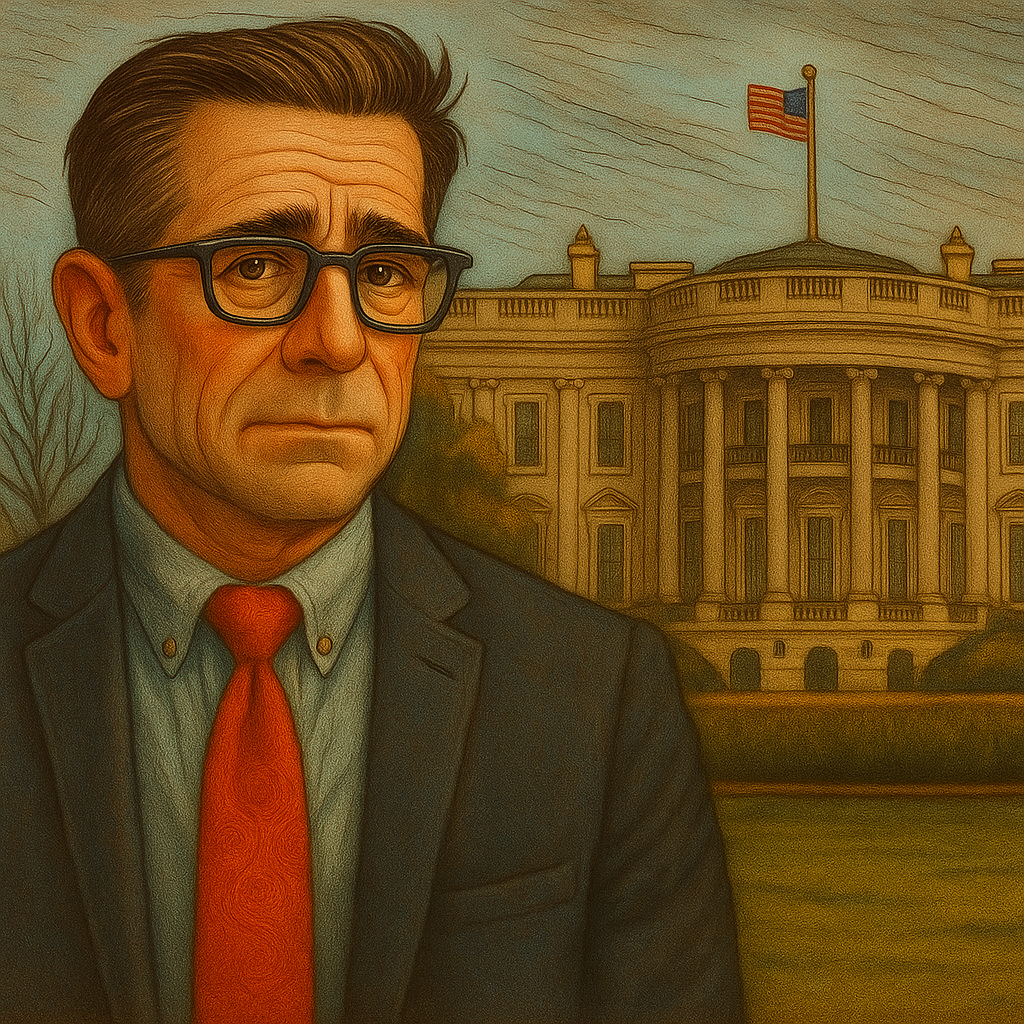 The week ran on clocks that no one controlled. In Washington, debt-limit talks ping-ponged between “productive” and “paused” as staff argued over caps, work requirements, and energy permits while Treasury’s X-date crept closer. Markets watched T-bill yields kink around the danger window and began rehearsing collateral workarounds in case politics stumbled into arithmetic. Both sides insisted default was off the table and then negotiated as if every comma might be an escape hatch. The practical translation for households was plainer: how long before interest-rate chatter becomes missed checks or frozen refunds.
Abroad, deterrence moved from communiqués to choreography. Leaders of the Group of Seven met in Hiroshima to tighten sanctions on Russia and pledge fresh restrictions on technology transfer. By the weekend, Ukraine’s president arrived in person, gathering commitments for air defense and pilot training on Western fighters. On the ground, the battle for Bakhmut lurched toward exhaustion—Russian forces claimed streets; Ukrainian units counterattacked on the flanks; artillery registered each block twice. The symbolism of a summit beside a memorial to catastrophic force was not subtle: prevent escalation by proving that coercion will not pay.
Politics produced reports and remedies in short order. Special Counsel John Durham released findings criticizing aspects of the FBI’s handling of the 2016 Russia probe; the document delivered ammunition to partisans and few surprises to specialists. On the Hill, lawmakers kept one eye on classified-document mishaps and the other on policy deadlines. In Montana, the governor signed a first-in-the-nation law to ban TikTok statewide starting in 2024; civil-liberties groups and the company promised lawsuits on speech and preemption grounds. Statehouses again behaved like laboratories and launchpads at once.
Technology met its oversight moment in prime time. OpenAI’s Sam Altman testified to senators about AI risks, urging licensing for powerful models and watermarking for generated media. Lawmakers asked the questions that travel well beyond tech: what rights should users have over their data, what happens to labor when automation writes the first draft, and who pays when a system hallucinates? Enterprises continued to wire assistants into search, code, and back-office tasks while lawyers wrote new policies in the language of accountability: document prompts, require review, log output.
Elections redrew familiar maps. Turkey’s vote headed to a May 28 runoff after an initial round that put President Recep Tayyip Erdoğan ahead of challenger Kemal Kılıçdaroğlu but short of a majority. The campaign quickly turned on turnout, inflation fatigue, and the shadow of February’s earthquake. In Thailand, reform-minded parties won the popular vote and began the long arithmetic of assembling a governing coalition against institutional constraints designed to outlast a single election night. Democracy did what it often does—delivered a direction before it delivered a government.
At the border, the first readings after Title 42’s expiration were mixed but calmer than feared. Apprehensions dipped from the previous week’s surge as new rules steered some migrants into appointments and others into faster removals. Cities along the Rio Grande and in the interior kept emergency shelters open, counting cots while lawyers counted days in asylum queues. Policy rarely outruns incentives for long; the metric to watch became networks, not headlines—who tells whom which rules are real and which will be waived by the next clerk.
The planet refused to honor policy calendars. Cyclone Mocha slammed into Myanmar and Bangladesh with winds near Category 5 strength, devastating camps and low-lying districts; early damage assessments pointed to a humanitarian crisis shaped by terrain and politics as much as weather. In Canada, Alberta’s wildfires forced more evacuations and charred forest at a pace that turned smoke into a continental forecast. In the U.S. heartland, severe storms returned with the now-familiar rhythm of watches, sirens, and morning counts.
Culture ran alongside labor. The writers’ strike entered a second week of late-night reruns and halted rooms, with actors unions signaling their own contract clocks. Studios described a pivot to unscripted and international pipelines; picket lines described a future where “minimums” are the last defense against rooms atomized by streaming and automated by assistive software. The argument sounded narrow to executives and existential to people paying rent on gig schedules.
Sports offered a bracketed escape and a civics lesson. The NBA conference finals opened with altitude and humidity—Denver outpacing the Lakers, Miami ambushing Boston in TD Garden—while the PGA Championship at Oak Hill teed off under cold rain and major-week nerves. Stadiums felt like proof that ritual survives churn. The lesson came from the scoreboard’s certainty: when the horn sounds, the count is what it is, not what a press release prefers.
By Saturday, the week’s through-line was simple and stern: trust is a balance sheet. Governments asked creditors to believe in a promise that statutes would meet spreadsheets. Alliances asked adversaries to believe that resolve would outlast a season. Companies asked users to believe that tools making work faster would not make their work vanish. The books still had to close—on budgets, on battles, on contracts. The margin for error was the same in each case: one vote, one factory, one storm track in the wrong direction.