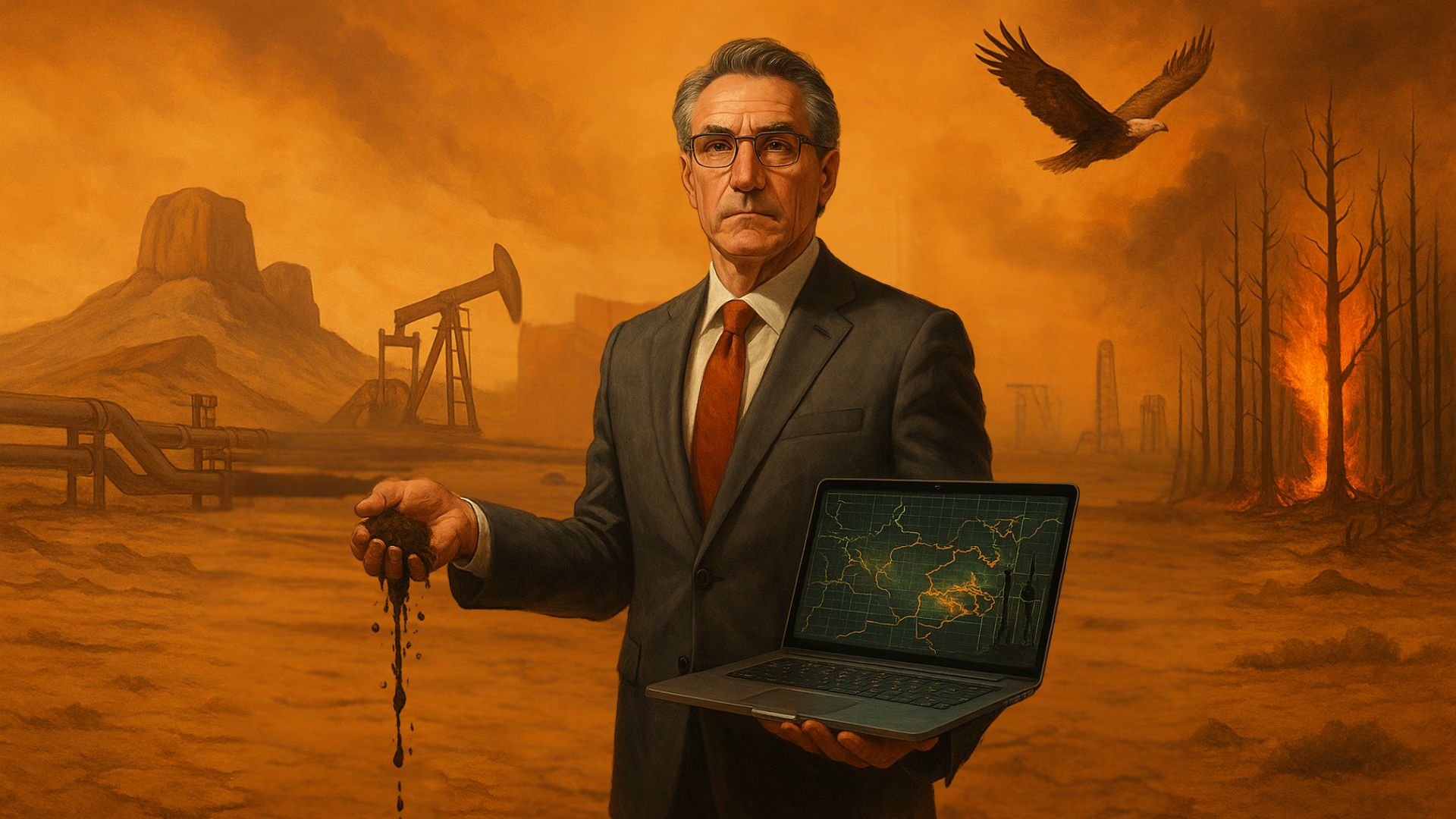
 Doug Burgum, now serving as the 55th U.S. Secretary of the Interior under President Trump, epitomizes the transformation from tech entrepreneur to political figurehead. His journey from mortgaging his family’s farmland to fund Great Plains Software, which he later sold to Microsoft for $1.1 billion, to governing North Dakota and now overseeing vast federal lands, is marked by a consistent prioritization of business interests over environmental stewardship.
From Tech Visionary to Political Operative
Burgum’s ascent in the tech world showcased his business acumen. However, his political career, beginning with his tenure as North Dakota’s governor from 2016 to 2024, reveals a pattern of aligning with powerful interests. His gubernatorial terms were characterized by aggressive support for fossil fuel industries, including backing the Dakota Access Pipeline and promoting carbon capture initiatives that primarily served oil and gas sectors.
Interior Secretary: A Role Reimagined
As Interior Secretary, Burgum’s policies reflect a continuation of his pro-industry stance. He has advocated for increased drilling on public lands and has been instrumental in rolling back environmental regulations. His support for consolidating federal wildland firefighting efforts into a single agency under the Interior Department has drawn criticism from former officials and environmentalists, who warn of potential chaos and increased wildfire risks.
Environmental Concerns and Public Lands
Burgum’s tenure has been marked by significant budget cuts to environmental programs and national parks. His dismissal of the urgency of the climate crisis, stating there is “plenty of time” to address it, underscores a troubling disregard for scientific consensus and environmental protection. Critics argue that his policies favor short-term economic gains for the fossil fuel industry at the expense of long-term environmental sustainability.
Conclusion
Doug Burgum’s trajectory from a tech entrepreneur to a key figure in the Trump administration illustrates a consistent pattern of prioritizing business interests, particularly those of the fossil fuel industry, over environmental concerns. His actions as Interior Secretary raise critical questions about the future of America’s public lands and the nation’s commitment to addressing climate change.