Weekly Dispatch
Week of December 26, 2021 – January 1, 2022
 The last week of 2021 opened with cancellations, shortages, and a sense of déjà vu. Airports posted four-digit tallies of grounded flights each day as Omicron worked through airline crews faster than schedules could be rewritten. Atlanta and Denver became hubs of delay; at LAX, luggage carousels piled high with orphaned suitcases. The Transportation Department said the problem was “staffing volatility,” a polite phrase for sickness and burnout. Passengers waiting for rebookings watched COVID dashboards instead of departure boards.
Hospitals filled again, but not like 2020. Vaccines kept mortality lower, yet exhaustion spread faster than the virus. In New York, city health data showed a seven-day case average five times higher than Thanksgiving. The new metric became “absent staff”: firefighters, nurses, teachers, and transit workers calling out in record numbers. Governors revived emergency orders they had hoped to retire. Masks returned to places that had declared themselves finished with mandates. At the White House, officials emphasized endurance—no new lockdowns, but no end in sight.
Public frustration merged with fatigue. Testing lines stretched for blocks, then vanished as stores ran out of kits. The promised half-billion free tests were still in procurement. Pharmacies rationed supply; local governments improvised drive-through sites in stadium parking lots. The public wanted closure and got logistics. Cable networks replayed the same footage from 2020, only with different variants and new signage.
Economically, the country kept running on mixed signals. The S&P 500 hit fresh records on December 29, its seventy-first closing high of the year. Consumer spending remained strong through Christmas even as sentiment surveys sagged. Economists called it “pessimistic prosperity.” The Labor Department reported unemployment claims at pre-pandemic lows; restaurants and retail chains reported chronic understaffing. In Washington, the Senate left town with Build Back Better still in limbo, its once-central promises—child credit, climate investment, universal pre-K—folded into campaign rhetoric for 2022. The year ended without a budget deal and without an agenda clear enough to replace it.
Abroad, the same uncertainty held. NATO and Russian envoys confirmed talks for early January amid continued troop buildups near Ukraine. Satellite images released mid-week showed fresh encampments in Belgorod and Voronezh. Moscow denied invasion plans but demanded security guarantees that would, in effect, rewrite Europe’s post-Cold War boundaries. Washington prepared sanctions drafts and additional military aid for Kyiv. Analysts used the word brink too casually to describe a situation built entirely of brinkmanship.
Science offered better headlines. The James Webb Space Telescope, launched December 25, completed the first major deployment of its solar array and began unfurling its sunshield. NASA engineers reported “nominal performance,” a phrase that meant everything was still possible. Astronomers used the moment to remind the public what curiosity looked like when politics couldn’t define it.
Domestically, weather moved in as metaphor again. A record-breaking snowstorm hit the Sierra Nevada, dumping more than 200 inches in December alone—welcome for water reserves, brutal for travel. The same system brought frigid air eastward, freezing already clogged supply routes. Trucks queued for hours outside distribution centers short on both labor and pallets. The National Guard delivered supplies to isolated mountain towns in California and Nevada, bridging one more system gap with manpower.
In Colorado, the Marshall Fire erupted on December 30, destroying more than a thousand homes in Superior and Louisville within hours. Wind gusts above 100 miles per hour turned suburban streets into fire corridors; snow arrived the next day, too late to matter. Officials called it the state’s most destructive urban wildfire on record. For a region used to drought in the mountains, not infernos on the plains, it was another category rewrite. President Biden approved a federal disaster declaration January 1.
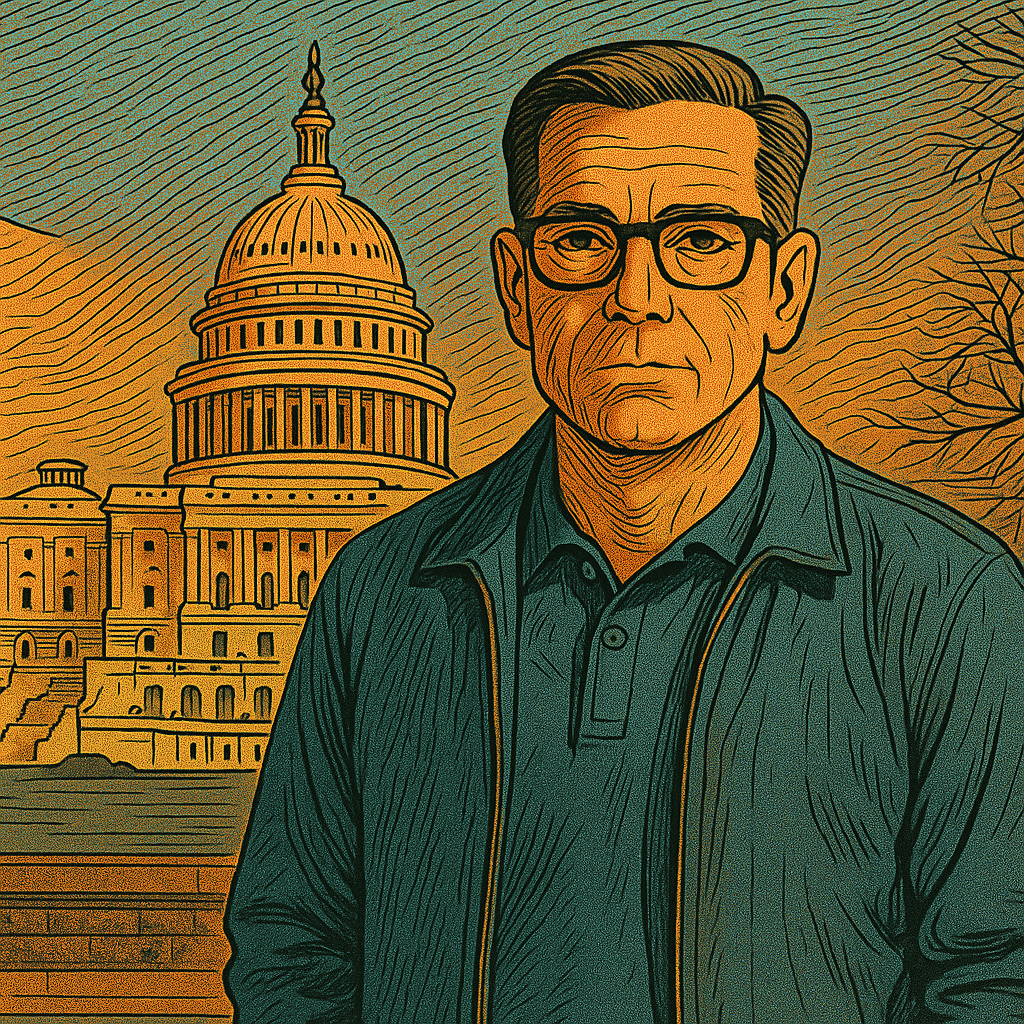
At the Capitol, the anniversary of January 6 approached like unfinished business. New documents from the House Select Committee showed deeper coordination among rally organizers and White House aides than previously acknowledged. Subpoenas landed quietly between holidays. Security fencing returned around parts of the complex. Officials preparing commemorative statements practiced restraint: remembrance without escalation.
The year’s closing numbers told a contradictory story. GDP grew about 5.6 percent, the fastest since 1984; inflation hit 7 percent, the highest since 1982. Vaccination rates reached 62 percent nationwide; death totals surpassed 820,000. The stock market prospered; public trust eroded. Technology companies posted record profits; hospitals ran out of nurses. It was a ledger of imbalance disguised as recovery.
New Year’s Eve was quieter by necessity. Times Square limited attendance to vaccinated spectators spaced behind barricades. In Los Angeles and Seattle, fireworks shows went on with reduced crowds; many watched online, more out of habit than fear. Cable anchors counted down from their studio rooftops, voices muffled by wind and fatigue. At midnight, the country entered 2022 without illusion but not without motion.
The first minutes of the new year carried two headlines: Omicron cases surpassing one million in seven days, and Webb’s successful mid-course correction. Both stories involved trajectory and risk—what can be guided, what must be endured. Between them lay the national condition: flight maintained, destination unconfirmed.