Weekly Dispatch
Week of October 17–23, 2021
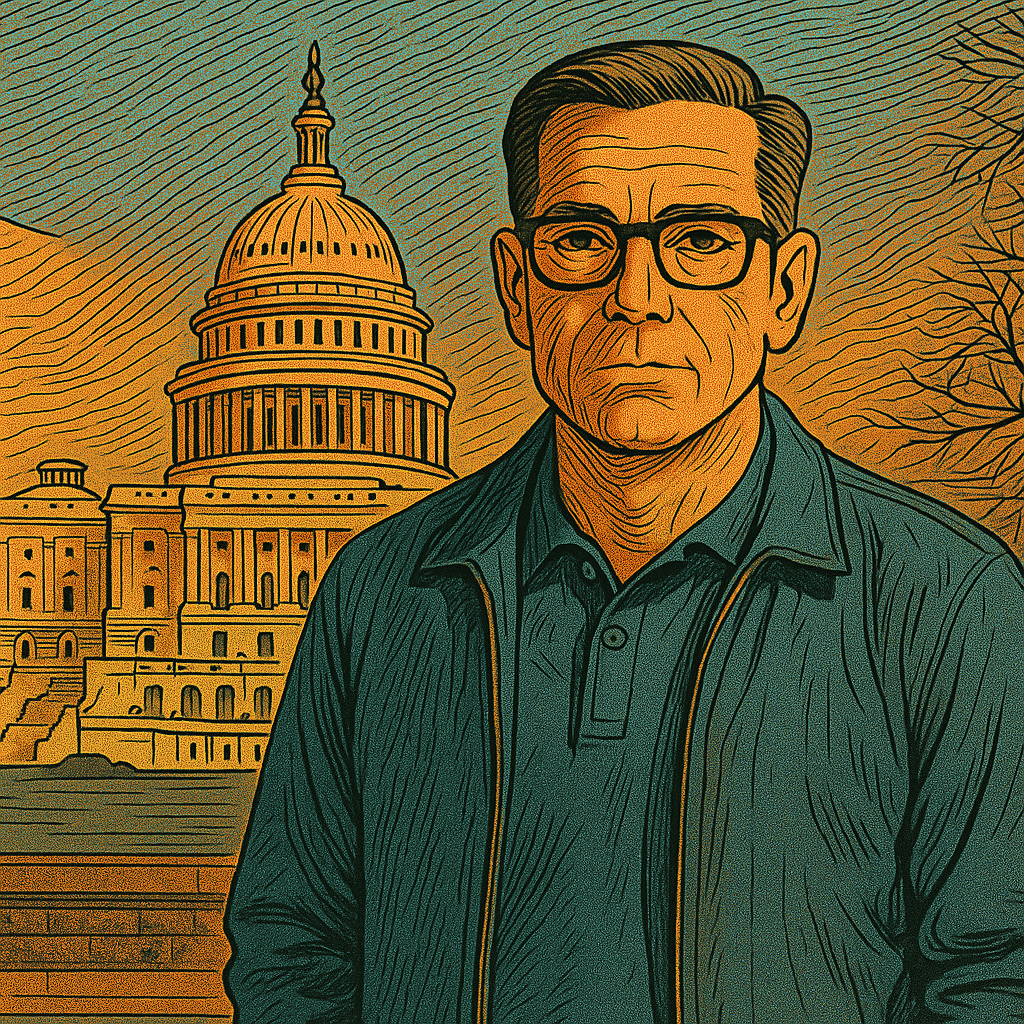 The week traced the border between routine governance and events that refuse routine. On Monday, October 18, Colin Powell died at 84 from complications of COVID-19, a four-star legacy weighed down by the 2003 U.N. speech that helped sell the Iraq war. Tributes emphasized service and firsts—the first Black national security adviser, the first Black chairman of the Joint Chiefs, the first Black secretary of state—while critics recalled how intelligence was framed into certainty. Powell’s passing collapsed two decades of argument into a single obituary about power, persuasion, and the cost of being wrong in public.
In Washington, institutions attempted calibration. The FDA and CDC spent the week finalizing booster guidance: green lights for Moderna and Johnson & Johnson, and a “mix-and-match” policy that made pharmacy lines less dependent on a single logo. The message was incremental and practical—add protection where risk is highest—but the public heard another revision. Pandemic time now moved like software updates: version numbers, patch notes, occasional compatibility bugs.
Congress kept its parallel calendar. On Thursday the 21st, the House held former White House strategist Steve Bannon in criminal contempt for defying a subpoena from the January 6 committee, a symbolic vote with prosecutorial teeth only if the Justice Department chose to bite. Inside the governing majority, Democrats continued to re-size their social-spending ambitions to a narrow Senate: fewer years, more targeting, and a balance sheet built from trade-offs. Deadlines slipped from days to “soon,” that most American of time zones.
Far from procedural clocks, a movie set in New Mexico turned into a national reckoning. On October 21, a prop gun handled by actor Alec Baldwin discharged on the set of Rust, killing cinematographer Halyna Hutchins and wounding director Joel Souza. The phrases “cold gun,” “armorer,” and “dummy round” entered headlines as investigators worked to reconstruct a chain of errors that violated basic on-set rules. Hollywood paused to grieve and to count the corners that low-budget schedules cut. The week’s images—sheriff’s tape outside a church, a star doubled over and ashen—stripped celebrity of its armor and left the question the industry least likes to ask: who signed off, and why.
Abroad, risks braided economics and geopolitics. China’s Evergrande avoided a formal default with a last-minute interest payment while other developers wobbled, turning the property sector into a slow-motion stress test of local finances. Energy markets remained tight heading into winter; Europe argued over how to cap bills without surrendering climate targets on the eve of Glasgow’s COP summit. The United Kingdom pressed its “levelling up” narrative against shelves that refused to level. Supply chains, once a metaphor, stayed literal: ships, trucks, ports, paperwork.
In Haiti, a gang calling itself 400 Mawozo held 17 missionaries and family members kidnapped the previous weekend, demanding ransom and spotlighting the country’s overlapping breakdowns—political vacuum, police capacity, and post-quake fragility. The State Department advised caution and promised coordination; aid groups described security as a moving fog. The sense that institutions can be present without being protective grew heavier by the day.
Back home, companies narrated the shortage economy. Earnings calls turned into logistics briefs—inventory in transit, inputs on allocation, wage pressure spreading across shift differentials. Some firms beat expectations on pricing power alone; others described a holiday season designed by contingency. The stock market learned, again, to treat bad news about supply as good news about margins. Households learned to click earlier, pay more, and forgive delays that felt increasingly permanent.
The Facebook Papers widened from a whistleblower’s testimony into a newsroom consortium, releasing internal documents that mapped what the company knew about amplification and harm. The timing converted a long-running conversation into a syllabus: news deserts, teen mental health, ethnic violence, and algorithmic triage. Lawmakers drew the same conclusion from opposite premises—that self-policing had reached its limits—and promised new rules with the speed of committees.
By Saturday, the week arranged itself into a set of edges. A former general’s reputation divided memory from mistake. A congressional vote divided subpoena power from compliance. A booster policy divided incremental science from exhausted patience. A film set divided safety doctrine from practice. The economy divided demand from delivery. The lesson was neither panic nor relief. It was a reminder that control is a gradient, not a switch, and that modern systems fail first at the places where responsibility diffuses.