Weekly Dispatch Week of October 22–28, 2023
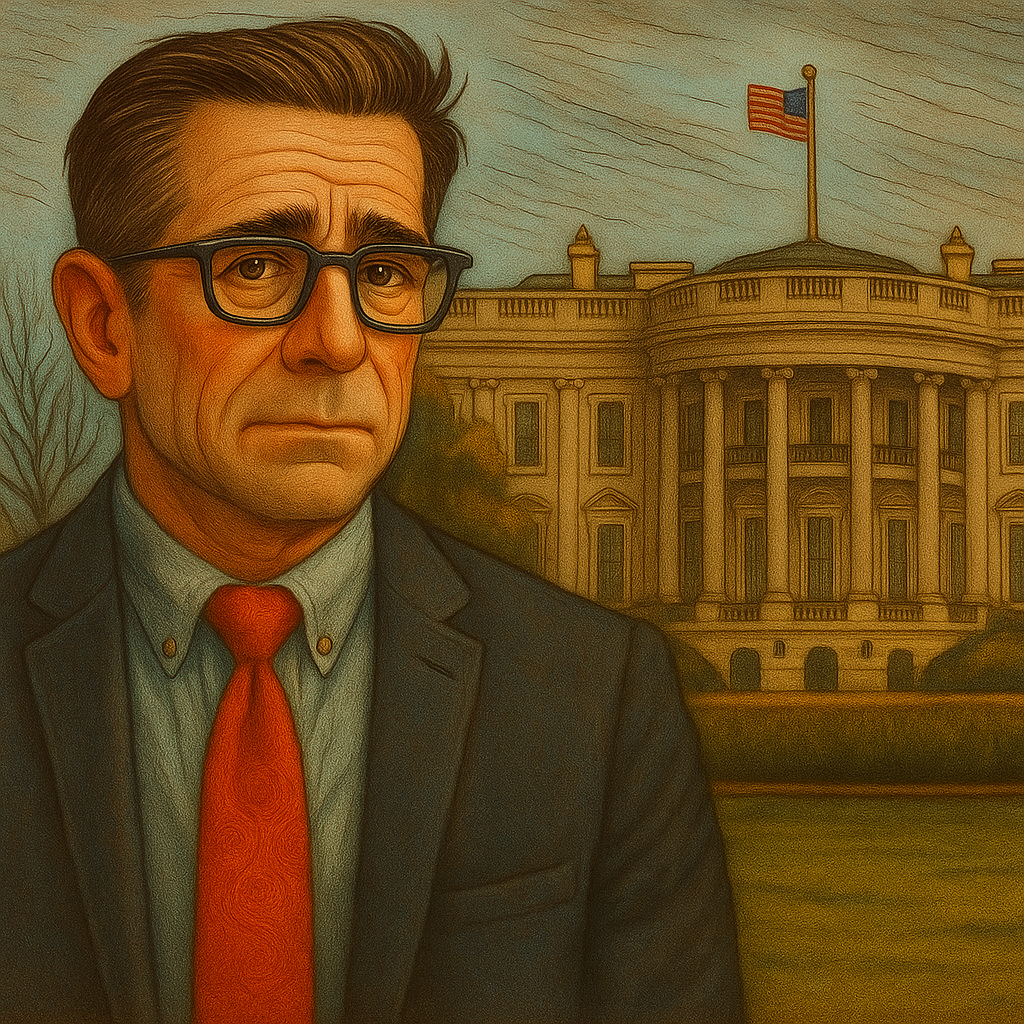 After three chaotic weeks, the House of Representatives finally filled the chair. Mike Johnson of Louisiana—little known outside the Capitol before this month—became Speaker on Wednesday afternoon, elected unanimously by his fractured conference after every higher-profile contender had fallen. His rise was less coronation than exhaustion. Republicans simply ran out of alternatives. The chamber erupted in applause, less for triumph than relief.
Johnson’s acceptance speech mixed prayer and party orthodoxy: fiscal restraint, border security, and faith as guiding principle. Democrats listened politely, already calculating the limits of his majority. The federal government has less than a month before funding lapses again, and the new Speaker inherits both a countdown and a conference conditioned to see compromise as betrayal. His honeymoon lasted about twenty minutes.
In his first press briefing, Johnson promised to restore “regular order” to the budgeting process—words now bordering on nostalgia. He pledged support for Israel, skepticism toward Ukraine aid, and review of domestic spending. Analysts described him as disciplined and deeply conservative, a constitutional literalist who frames politics as moral struggle rather than negotiation. His challenge will not be conviction but arithmetic: 221 votes cannot move legislation that requires 218 unless discipline holds. So far, it hasn’t.
Outside Washington, the world kept burning. Israel’s ground operation into Gaza intensified, pushing civilian casualties into the thousands. Communications collapsed as airstrikes destroyed phone and internet networks. The United Nations warned of humanitarian disaster, while aid convoys inched through the Rafah crossing under air raid sirens. The Biden administration balanced rhetorical support for Israel with growing pressure to curb civilian deaths, dispatching Secretary Blinken for a regional tour that yielded sympathy but no ceasefire. The phrase “humanitarian pause” entered the lexicon—a soft synonym for delay.
Protests surged across Europe and the U.S., drawing crowds from campus quads to state capitols. Demonstrations divided communities already frayed by polarization. Some cities deployed extra police; others designated protest zones to keep opposing factions apart. The moral vocabulary of the moment—occupation, terrorism, genocide—has become a linguistic minefield. America’s domestic divisions now travel with its foreign policy.
At home, economic indicators continued to offer contradiction. Third-quarter GDP rose 4.9 percent, the strongest in nearly two years, driven by consumer spending that economists insist can’t last. Credit card balances hit a record. Delinquencies climbed quietly. Inflation cooled slightly, but prices remain elevated enough to feel permanent. The Fed faces a paradox: an economy that looks strong on paper and feels weak in reality. Optimism has turned into a math problem.
The UAW strike neared its end. After six weeks, Ford and Stellantis followed GM in offering record contracts with wage hikes, cost-of-living adjustments, and job security provisions for EV battery plants. Union leaders called it vindication; automakers called it sustainable under protest. For once, the storyline ended in measurable gain. The ripple effect will reach beyond autos, signaling to other industries that labor is willing to wait, walk, and win.
Elsewhere, the weather mirrored the mood—turbulent but survivable. Tornadoes struck Louisiana and Mississippi, destroying homes but sparing lives. The Pacific Northwest braced for early snow while the Southwest broke temperature records again. The line between seasonal and structural weather has blurred beyond recognition. Each forecast now doubles as a warning label.
Culturally, the country sought distraction and found mostly repetition. The fall television schedule limped along under strike delays, while streaming platforms dumped unreleased projects into crowded menus. Sports filled the void: baseball’s World Series began with low ratings but high stakes for cities built on drought and debt. The ritual endures, even when the audience drifts.
Technology delivered its usual mix of innovation and anxiety. A major AI developer announced partnerships with federal agencies to automate data analysis—immediately raising questions about surveillance and accountability. Lawmakers promised hearings, though none have produced binding regulation. The speed of adoption continues to outpace understanding, a gap that now defines modern governance as much as partisanship does.
By Friday, Speaker Johnson held his first leadership meeting with the White House. Cameras caught polite smiles over open disagreements: Ukraine aid, spending limits, social policy riders. The new order looked much like the old—talks about talks, deadlines about deadlines. The machinery has motion again, but no margin.
The week closed with a sense of weary completion. The chair was filled, the lights stayed on, and the country resumed its routine of temporary function. Each crisis now ends the same way—not with solution, but with suspension. America governs by vacancy: a system that works best when nobody is steering too hard. The relief lasts until the next countdown begins, which is already on the calendar.