Weekly Dispatch
Week of June 27–July 3, 2021
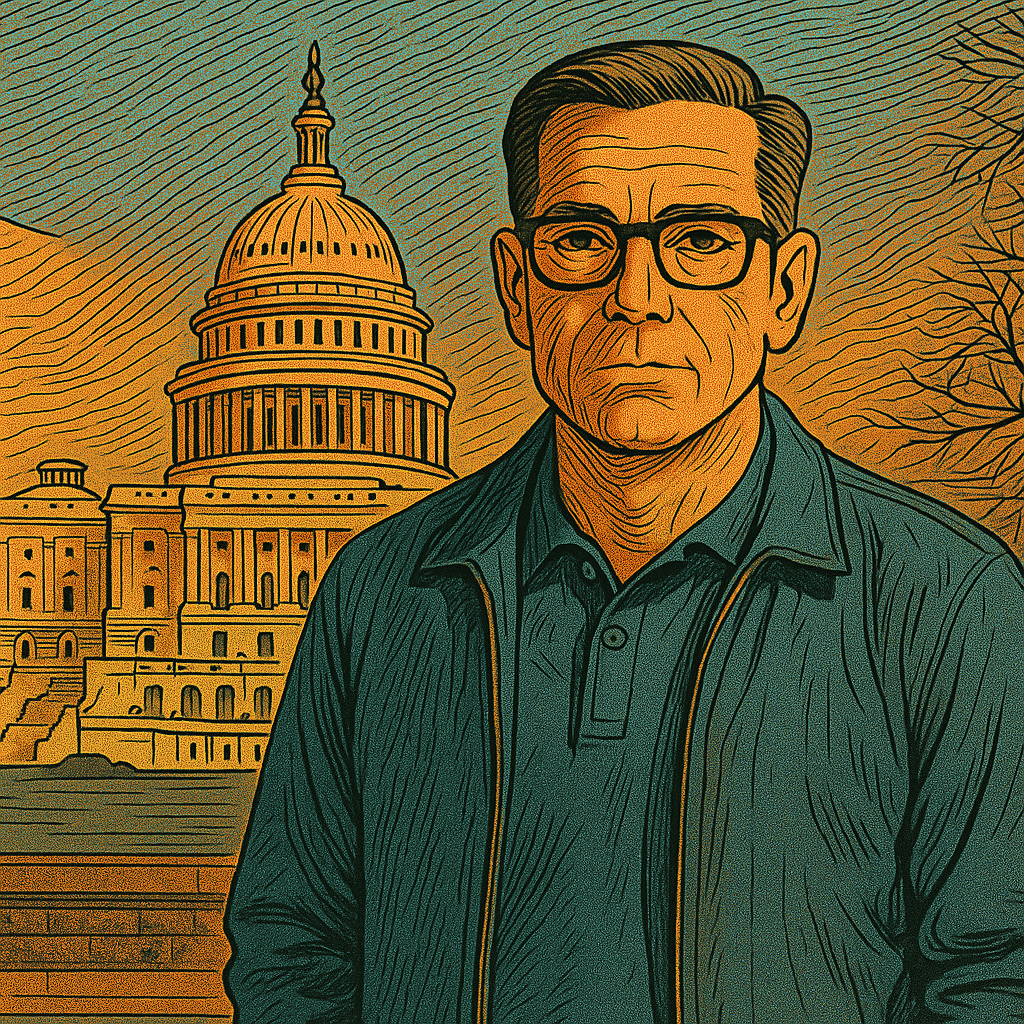 The final week of June opened with a country juggling emergencies that did not wait for legislative calendars. In South Florida, the search at the ruins of Champlain Towers South entered its fourth day under humid skies and falling concrete. Firefighters moved in teams through voids, listening for taps that did not come, while engineers studied columns for signs that the standing portion of the building might fail. The numbers were a kind of drumbeat—residents unaccounted for, minutes of silence at vigils, pallets of water stacked against a wall of names. In Washington, officials repeated a simple promise: nothing withheld, nothing delayed.
On Tuesday the president approved 100 percent federal funding for emergency work through the holiday weekend, a technical order that meant FEMA would shoulder costs the county could not. The visit that followed was careful, almost quiet. Joe and Jill Biden met with families in a hotel ballroom, thanked the responders clustered by rank and stain, and said the only sentence that fits in such rooms: we are here and we will stay. The event placed competence in grief’s vicinity—paperwork aligned so that human work could proceed without pause.
Elsewhere, confidence faltered for different reasons. New York City’s first citywide use of ranked-choice voting stumbled when test ballots were accidentally left in the tally. The Board of Elections retracted its own numbers and restarted the count, handing skeptics of new election rules their case study and reformers their memo: process matters as much as outcomes. The broader question—how to modernize administration without losing trust—returned to the front page just as Congress prepared to argue over federal voting protections again.
Far away from any counting room, the Pacific Northwest learned what a heat dome can do. Portland reached 116 degrees on Monday; Seattle, 108. Pavement softened. Power cables sagged. People waited outside libraries for space at cooling centers that had been designed for winter storms, not ovens. Coroners in Oregon, Washington, and British Columbia began releasing preliminary tallies that read like warnings from a future already here. Climate policy, so often staged as symbolism, arrived as logistics: fans, shelters, surge staffing, grid capacity, water. The infrastructure debate in Washington gained a new argument that did not require a hearing to be legible.
Midweek, the Senate majority leader sketched the next steps for the bipartisan infrastructure framework announced days earlier at the White House—an outline heavy on roads, bridges, broadband, and water systems, financed through repurposed funds and tighter tax enforcement. The promise of a two-track strategy remained: a cross-party bill for physical projects and a party-line reconciliation push for broader social investment. Advocates talked about lead pipes and charging stations; budget staff talked about pay-fors and scorekeeping. The country continued to test whether it could build while talking about building.
At the Pentagon, another calendar turned. The United States completed its withdrawal from Bagram Air Base, a handoff that felt both technical and historic. After twenty years, the hub that had launched sorties and shuttled supplies was quiet under a hot sun. Officials said the exit was ahead of schedule; analysts said schedules do not govern insurgencies. The administration framed the drawdown as necessary focus: a pivot from forever war to constant competition, from occupying to over-the-horizon counterterrorism.
By Thursday, the rescue in Surfside had become a rotation of endurance. Crews worked around slurry walls and rebar that twisted like river wire. Thunderstorms rolled through and rolled back. Families watched monitors that displayed the same images in different light. The mayor briefed the press with a cadence that tried to honor both hope and math. Behind the microphones, engineers and emergency managers considered whether the still-standing wing could be stabilized long enough to continue, or whether demolition would be the only path to finding the missing.
The domestic ledger added smaller entries that signaled motion beneath fatigue. The Labor Department reported new-claims lows not seen since the first weeks of the pandemic. Airlines canceled flights for lack of crews as travel approached pre-COVID volumes. The CDC warned that the Delta variant was now the fastest-growing lineage nationwide and urged local campaigns to push vaccines through pharmacies, churches, and mobile units. The race, officials said, had shifted from supply to distance—how close a dose could get to a shoulder at the right hour of a workday.
On Friday the administration returned to Surfside. The president thanked task-force teams by name and promised federal help for long-term relocation and mental-health services. The words did not change the physics of concrete and steel, but they mattered to people standing in humid air with callused hands. Later that day, at the White House, aides reminded reporters that the infrastructure text coming together downstairs would address the less dramatic edges of safety: building codes, inspections, grant programs, and the long maintenance that keeps a headline from ever being written.
The week closed under fireworks that felt more like a test than a celebration. Independence Day weekend traffic surged; hotel lobbies filled; baseball stadiums announced full capacity. Elsewhere, cooling centers stayed open late, and a beach in British Columbia still carried a number that should not appear on a northern map. What tied the stories together was not rhetoric but load: how much heat a grid could bear, how many gallons a pump could move, how many hours a rescuer could safely crawl a void, how many votes a bill could gather before momentum evaporated. The answers were not clear. The work, for now, was obvious: keep moving, count honestly, build for conditions already present, and leave fewer outcomes to luck.