(by the ghost of John Beauchamp Jones)
The city awoke under a pall, the Capitol still scarred from yesterday’s invasion. T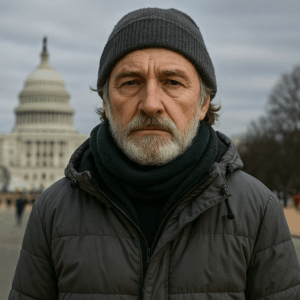 he shattered glass glistened in the morning frost, and the avenues were thronged not with jubilant partisans but with soldiers summoned in haste. Columns of the National Guard marched where but hours before the mob had surged, and checkpoints were raised upon every street. It seemed as though the capital of the republic had overnight become a garrison town.
Within the halls of Congress the work resumed, weary yet resolute. Through the long night they had counted and certified, declaring the victor duly chosen despite the tumult. Thus the attempt to halt the proceeding proved vain, though the stain abides. Members spoke in hushed tones, some still trembling at their peril, others defiant, vowing to uphold the law though threatened by violence.
Outside, the air was filled with rumor. Lists of the dead and injured circulated, and the names of those arrested spread quickly. The President, censured even by his own allies, now stood accused of having summoned the whirlwind he could not control. Talk of removal arose, whether by resignation, impeachment, or the invocation of a constitutional clause. Thus the edifice of his authority, shaken yesterday by riot, today trembles under the weight of his own indiscretion.
The populace appeared unsettled, the merchants fearful, and the foreign envoys aghast. I overheard one remark that America had joined the company of those nations she once rebuked, where the mob dictates to the magistrate and the chambers of state are not secure. Truly, the republic suffers not from an invading foe, but from an internal fever, a delirium born of falsehood and passion.
So ends this dark sequel to a darker day. The annals will mark not merely the violence of the 6th, but the uncertain dawn of the 7th — when soldiers stood in the streets, and the people wondered whether their Constitution could withstand the fury of its own children.