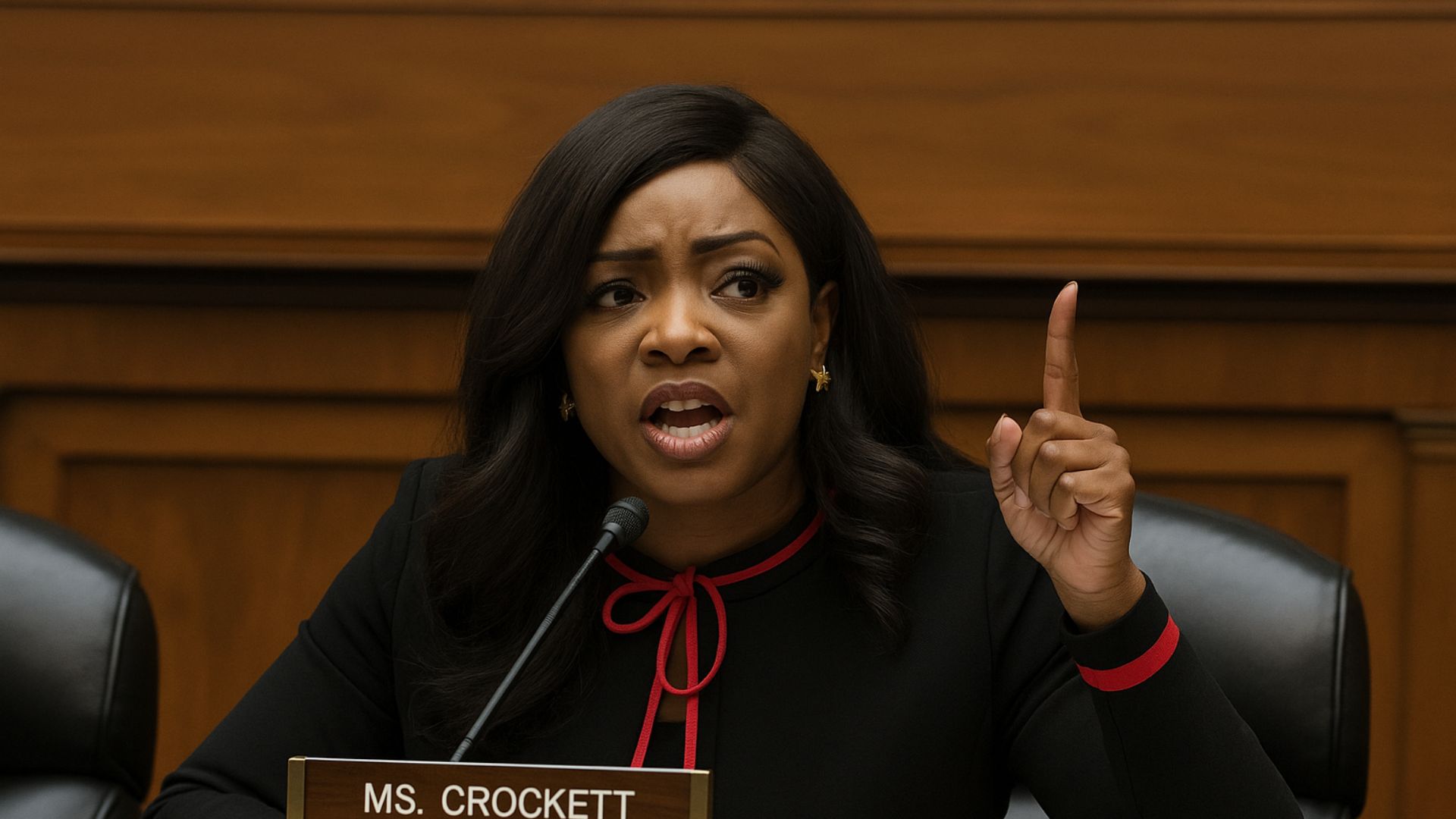
 Let’s be clear about something: Jasmine Crockett didn’t run for office to smile pretty for cameras or recite polished platitudes. She stepped into the fight because the people she comes from—the working poor, the disenfranchised, the silenced—have been lied to, locked out, and left behind for far too long. And she’s not afraid to name names or bruise egos along the way.
Raised with a deep awareness of racial injustice, Crockett took that fire into the courtroom. First as a public defender, then as a civil rights attorney representing folks most politicians would rather ignore. She didn’t just talk justice—she rolled up her sleeves and fought for it.
And now she’s doing the same in Congress.
Jasmine Crockett represents Texas’s 30th congressional district, one of the most diverse and economically complex in the state. She stepped into the seat once held by Eddie Bernice Johnson, and she did so with full awareness of the legacy—and the expectation. But Crockett doesn’t mimic. She makes her own path, her own impact, and let’s just say the establishment hasn’t always appreciated her candor.
She’s part of the Congressional Progressive Caucus, but that’s just the label. What matters is her relentless push on voting rights, criminal justice reform, and defending the communities politicians too often exploit. When she speaks, it’s with the weight of lived experience and the urgency of someone who knows what’s at stake.
She’s also made headlines for saying what many of us are thinking. When she clapped back during a committee hearing with a now-famous one-liner aimed at Marjorie Taylor Greene, it wasn’t about theatrics—it was a boiling point. A moment where decorum had to take a back seat to dignity. She said what needed to be said.
And yes, she catches heat for it.
She’s been criticized for off-the-cuff remarks—like when she called out Governor Greg Abbott in a way that made headlines or when she told a reporter what she’d say to Elon Musk, unfiltered. The political class clutches its pearls. Meanwhile, the rest of us—especially those of us in communities that have seen promises made and broken—see something refreshing: a woman who doesn’t play by rules written to exclude her.
Jasmine Crockett doesn’t aim to be palatable. She aims to be powerful. And power, in her hands, looks like honesty, defiance, and refusal to be silenced. It looks like someone who’s not content to “wait her turn” while injustice marches on.
She’s not perfect. No one in this work is. But she is necessary.
In a time when rights are being rolled back, voices are being stifled, and whole communities are being criminalized, we don’t need more politicians who “know how to behave.” We need more fighters. We need more truth-tellers. We need more Jasmine Crocketts.
So here’s to the ones who don’t ask permission to lead—who come in knowing the table was never meant for them, and flip it anyway.