Weekly Dispatch
Week of December 5 – 11, 2021
 The week opened with remembrance and warning. On Sunday, December 5, former Senate Majority Leader Bob Dole died at 98, a figure whose biography stitched World War II sacrifice to late-century deal-making. Tributes framed him as the kind of partisan who still believed in settlement, a word that now sounds antique. The next morning, the White House announced a diplomatic boycott of the Beijing Winter Olympics over human-rights concerns, trying to thread a needle between symbolism and retaliation. Beijing dismissed the move as theater; allies weighed their own calculus.
On Tuesday, President Biden held a secure video call with Vladimir Putin as U.S. intelligence warned of a potential Russian invasion of Ukraine. The American message paired deterrence with offer: serious economic sanctions and export controls if Russia moved, talks on strategic stability if it did not. Putin demanded guarantees that NATO would not expand eastward; Washington rejected spheres-of-influence framing. The call produced no breakthrough, which in crisis management counts as a kind of progress. Diplomacy’s job was to buy time for pressure to work—or fail in full view.
Supply met fragility on the same day when a major Amazon Web Services outage knocked websites and logistics tools offline across the United States. Warehouse scanners stalled, smart-home devices went dumb, and customer-service queues grew teeth. The episode felt like a footnote until you watched carts freeze and deliveries miss windows; then it read like infrastructure. The modern economy runs on clouds that still have weather.
Omicron turned into the week’s metronome. Cases rose from scattered to exponential in multiple states as genomic sequencing filled dashboards. New York City announced a first-in-the-nation private-sector vaccine mandate effective later in December, adding to existing proof-of-vaccination rules for indoor venues. Britain unveiled “Plan B” guidance—mask rules, work-from-home recommendations, and health-pass extensions—after scientists warned of rapid spread. Hospitalizations lagged cases as expected; the question was whether lags would last. Public communication tried to balance urgency with fatigue and landed, predictably, in argument.
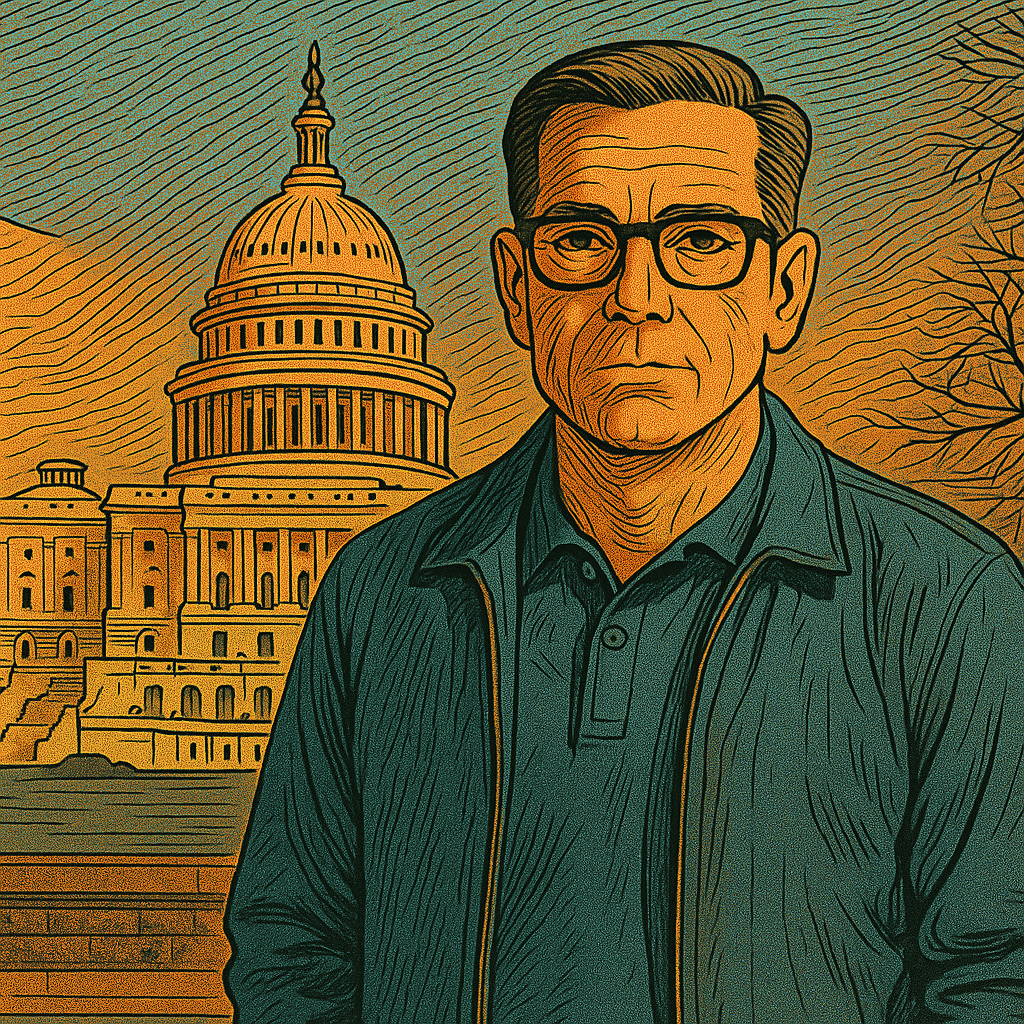
On Capitol Hill, continuity beat clarity. Congressional leaders reached a deal to create a fast-track mechanism allowing Democrats to raise the federal debt limit with a simple majority vote, averting a January market drama without setting a precedent anyone loved. The National Defense Authorization Act moved forward after a delay over amendments, reaffirming that defense bills still find votes even when domestic packages cannot. Policy advanced by procedure, as it often does when attention runs thin.
Courts and juries defined accountability in headlines. In Chicago, a jury convicted actor Jussie Smollett on December 9 for filing false reports about a staged hate crime, a case that collapsed under phone records and testimony. In Georgia, the three men convicted of murdering Ahmaud Arbery awaited sentencing as the federal civil-rights trial calendar firmed up for the new year. Law felt less like a destination than a series of rooms you move through en route to the next room.
Markets absorbed new signals with their usual impatience. On December 9, credit-rating agency Fitch declared China’s Evergrande in “restricted default” after the developer missed payments beyond grace periods, formalizing what investors had already priced. Energy prices chopped on Omicron headlines; tech stocks took turns reminding everyone that valuation is a story you agree to tell yourself until you don’t. The labor market sent its own mixed postcard: jobless claims near historic lows, quits still elevated, wages running faster at the bottom than the top. Households remained the most stubborn optimists in the system—still buying, still booking, still irritated.
In Buffalo, New York, Starbucks workers voted to form the company’s first union at a U.S. store, a small shop with oversized significance. Organizers framed it as a template for service-sector power; management framed it as an outlier. The story won oxygen because it rhymed with the year’s other arc: workers discovering leverage in a tight market and using it to claim dignity in scheduling, not just dollars in paychecks.
Then, on Friday night into Saturday morning, weather wrote the week’s coda. A tornado outbreak of rare intensity tore across multiple states; Mayfield, Kentucky, suffered catastrophic damage as a long-track twister shredded homes, a candle factory, and the grid itself. Governors declared emergencies; search-and-rescue operations rolled through debris under floodlights. The images returned the nation to first principles: neighbors with chainsaws and casseroles, sheriffs counting, families texting, lights out. Climate attribution is careful work, but the lived experience was simpler—hazard meets vulnerability where people build and work.
Culture tried to keep pace with contingency. Broadway shows canceled performances as cast exposures compounded understudy absences; sports leagues began re-imposing daily testing regimes that nobody missed. The season that promised tradition again delivered improvisation. Rituals returned, revised by protocols and patience.
By Saturday, the ledger showed motion without victory. A boycott drew a line without moving a regime; a call drew red lines without erasing miscalculation; a mandate promised protection that would arrive just after the surge that required it. A cloud outage explained dependency; a union vote explained momentum; a storm explained fragility. The week’s pressure tests did what tests do—they revealed which systems flex and which fracture. The work ahead looked less like resolution than reinforcement.