 The first frost lasted past noon. From the back porch I could see it holding to the grass in thin white threads, refusing the sun. Michael was in town for the week, helping at the gallery before classes resumed in Grand Junction. By the time I followed, the rooftops in Crestview had begun to steam lightly, as if the whole neighborhood were exhaling.
The morning light felt unsteady. Clouds moved fast from the west, silver at their edges, and the cell signal flickered in and out as I drove. A text I’d sent the night before finally went through — a delivery delay from the supplier, nothing urgent. Still, I caught myself watching the phone more than the road. Connection has become another background hum, like the refrigerator or the traffic on Camino del Rio: we only notice it when it stops.
Downtown was quieter than usual. The traffic lights cycled through empty intersections, and the crosswalk signs blinked into the mist. A utility truck was parked near the post office, two workers adjusting something on the pole — the kind of maintenance that keeps things invisible until it fails.
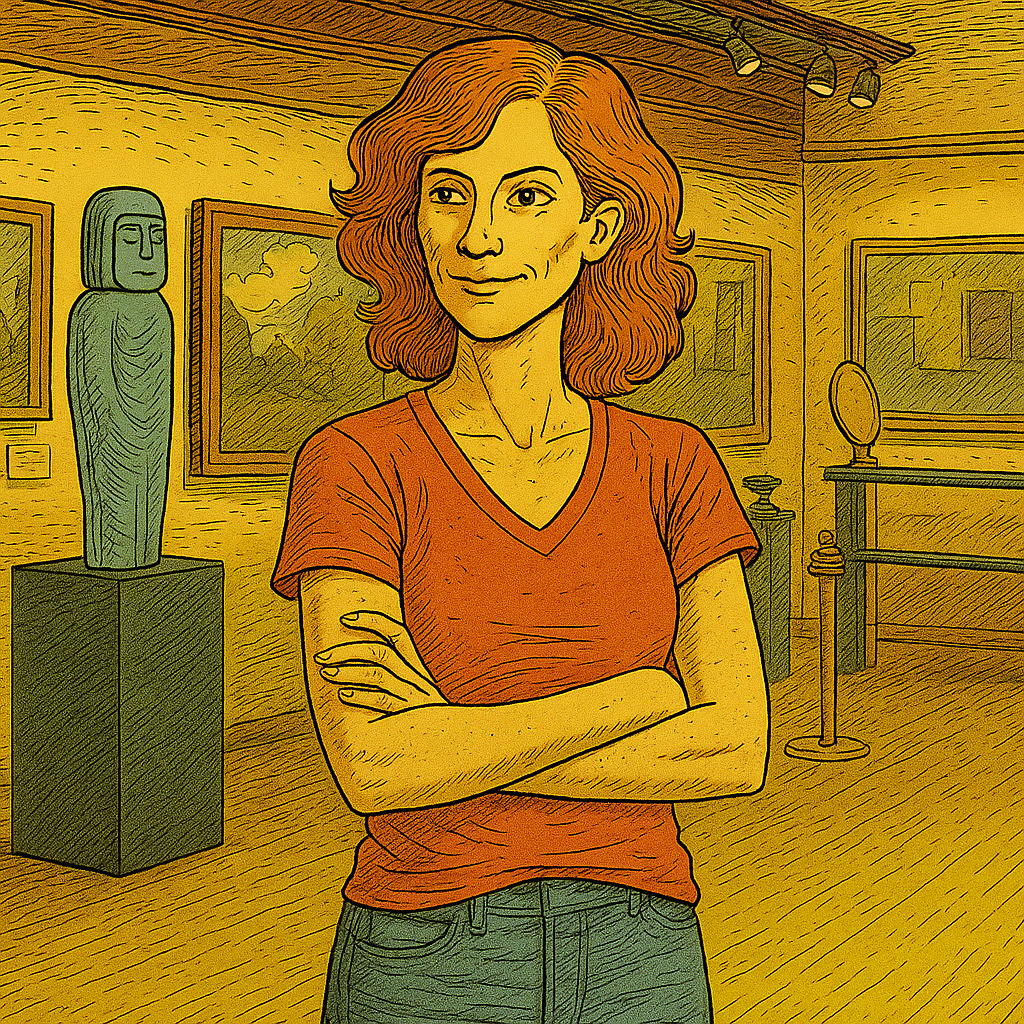
Inside the gallery, the air was colder than outside. The old lighting system clicked on in stages, filling the room with a steady white tone that made the colors of the paintings seem sharper. Michael had already stacked new frames against the wall, the same methodical order he brings to everything.
“Wi-Fi’s out again,” he said without looking up.
I nodded, flipped the sign to Open, and waited for the heater’s low hum to return.
Without the usual background noise of music or messages, the day stretched differently. The few visitors who came in spoke softly, their voices carrying in the bare air. One man asked about a print of the river; another lingered at the counter just long enough to comment on the light. By mid-afternoon the signal returned, sudden as if nothing had happened. The messages poured in — receipts, updates, headlines — a day’s worth of small reminders that the outside world hadn’t stopped after all.
I left the gallery just before five. The sky had cleared, the sun sliding low enough to catch in the windows along Main Avenue. People crossed the street with their hands in their pockets, breath visible, steps quick. At the bridge, the Animas carried a thin layer of reflected sky, the color of tin. I parked and watched for a moment.
When I started the car, the radio cut out halfway through a sentence. Static filled the cabin, then silence. Somewhere between towers, the signal vanished again. I turned it off and drove the rest of the way home without sound.
At the house, Michael was already there, lights on, the smell of onions and butter in the kitchen.
“Network’s back,” he said. “Everything caught up.”
He was plating pasta when I stepped in. Steam fogged the window above the sink, blurring the last color from the ridge.
“I think I liked it better quiet,” I said.
He smiled. “Maybe turn the router off once in a while?”
We ate at the small table, the one that used to sit near the gallery window. Outside, the street was still. The frost would be back by morning, fine as dust on the railing. The town’s quiet settled in layers — one from distance, one from habit, one from the simple fact of evening. In the half-light, I could see our reflections in the glass: two shapes moving, talking, clearing plates. Nothing dramatic, only continuity restored.
Later, I stepped out onto the porch. The cold bit cleanly at the air, and somewhere down the block a door closed with a soft clap. Beyond the houses, the river kept its course — steady, indifferent to interruption — and above it, the faint outline of power lines traced their path toward the valley, silent but certain.