Weekly Dispatch
Week of January 1 – 7, 2023
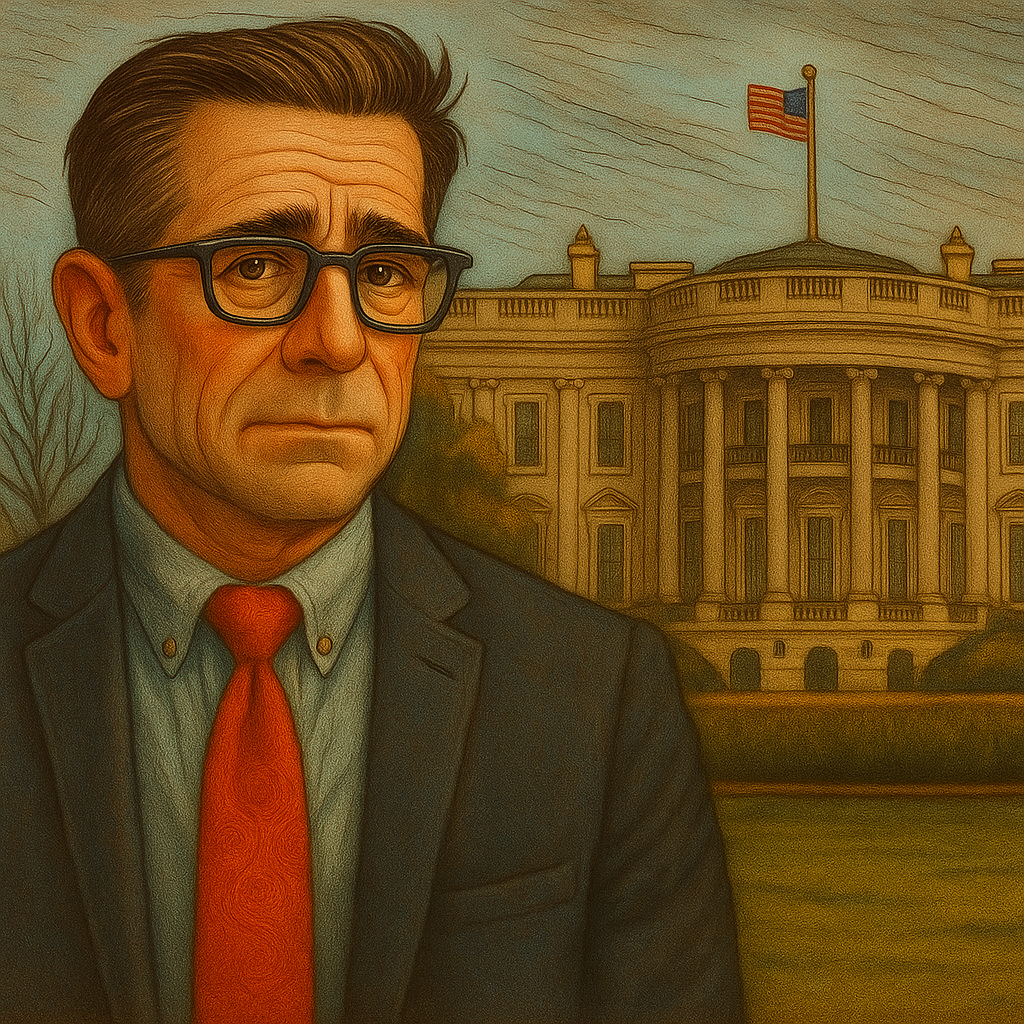 The year opened with continuity you could measure in megawatts. Russia aimed missiles and drones at Ukraine’s energy grid through the holiday, while Kyiv’s air defenses intercepted most and crews restored power between volleys. In the east, Bakhmut absorbed assaults measured in streets and shifts. Moscow declared a 36-hour “ceasefire” for Orthodox Christmas; shelling continued on both sides of the line. The ritual language of pause met the physics of artillery.
On Sunday, Luiz Inácio Lula da Silva took office again as Brazil’s president, promising to fight hunger and rebuild environmental enforcement after years of rollback. His first decrees restored Amazon protections and reversed privatisations. Police dispersed pro-Bolsonaro encampments in Brasília, though calls for military intervention persisted online. Institutions were back on paper; the question was whether they were back in practice.
In Rome, the Vatican buried a modern paradox. Pope Emeritus Benedict XVI—the first pontiff in six centuries to resign—was laid to rest on Thursday after a funeral led by his successor, Pope Francis. The service compressed institutional memory: continuity and rupture, Roman ritual and German theology, a crowd mourning a past that had ended before the man did. The church measured time in centuries even as parishioners counted heating bills.
American politics found its own version of stasis. The U.S. House opened the 118th Congress without a speaker and stayed that way for days, as Kevin McCarthy failed ballot after ballot under pressure from a faction that preferred leverage to leadership. C-SPAN’s unlocked cameras captured lawmakers negotiating in public, the rare procedural fight that looked like a civics lesson and a warning at once. By week’s end, concessions multiplied; votes did not. The chamber resembled a machine with power but no coupling.
The country’s attention briefly shifted from aisle to field. On Monday Night Football, Damar Hamlin of the Buffalo Bills suffered cardiac arrest after a tackle and was resuscitated on the turf. The game stopped; the week recalibrated. Teammates prayed, fans gathered outside a Cincinnati hospital, and a toy drive fund raised millions in hours. By Friday, doctors reported neurological signs of recovery. A sport wrapped in toughness remembered that vulnerability is the hidden rule.
Markets listened for a turn and heard a wobble. U.S. manufacturing contracted again; December jobs came in solid but with slowing wage gains. Investors read the mix as a softer landing than feared. Meanwhile, tech’s pandemic hiring binge unwound in public: Salesforce announced ~8,000 layoffs on Wednesday; Amazon expanded planned cuts to 18,000 on Thursday. The new year’s first memo was efficiency, written in severance.
China’s COVID wave accelerated under reopened borders. On Saturday, Beijing dropped quarantine for inbound travelers effective January 8, and airlines rebuilt schedules even as hospitals reported shortages of antivirals and oxygen. Countries from the U.S. to Italy imposed testing on arrivals from China, citing inconsistent data. Supply chains braced for absenteeism spikes; families braced for phone calls. Reopening felt less like a door and more like a pressure valve.
Energy prices offered a rare relief line. European gas fell toward pre-war levels thanks to record-high storage and the warmest early January in decades. Governments warned against victory laps; next winter’s procurement begins now. In Germany, debate over Leopard 2 tanks to Ukraine sharpened but deferred, a decision carried into the following week. Relief and reluctance shared a headline.
Diplomacy sketched incremental moves. Turkey hosted talks with Syria’s defense officials—the first formal contact of the civil war era—aimed at border security and refugee returns. In Ethiopia, aid convoys resumed into Tigray under the November peace deal, and phone lines clicked back to life after two years of silence. In Iran, protests persisted in smaller bursts as courts issued more death sentences tied to demonstrations; the state held ground and kept losing faces.
Finance chased confidence with disclosures. Regulators pressed crypto firms for proof-of-reserves while bankruptcy courts mapped FTX’s missing assets. Jack Ma agreed to cede control of Ant Group, a move that signaled a thaw in Beijing’s campaign against consumer-tech empires and lifted Chinese stocks for a day. As with most thaws this winter, the air still bit.
By Saturday night, the week read like a standoff: artillery under a ceasefire label, a Congress with seats but no speaker, a border reopening into a wave, a labor market cooling without collapsing. Systems ran, loudly, with margins thin enough to hear. The year began not with resolution but with restraint—a reminder that sometimes the only progress available is keeping the line from breaking.