Weekly Dispatch
Week of May 23–29, 2021
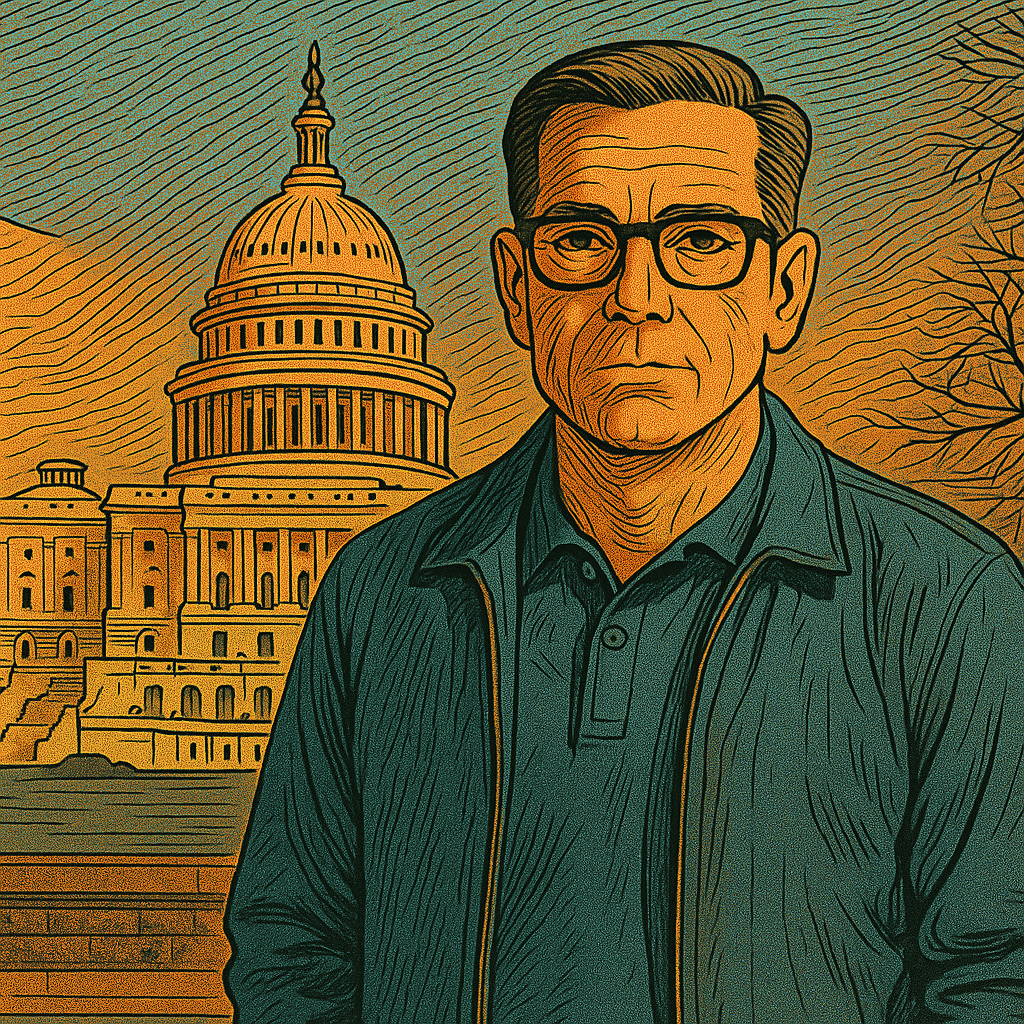 The final week of May carried the air of transition—Washington speaking the language of recovery while the country tried to remember what ordinary looked like. On Monday, President Biden hosted Memorial Day events with full ceremonial detail restored: color guards, open seating, and the shared gravity of presence after a year of distance. The remarks were short but deliberate—honor, endurance, and the charge to “remember what we defended.”
Early in the week, the administration shifted focus abroad. Secretary of State Antony Blinken traveled to the Middle East to reinforce the Israel–Hamas ceasefire and outline U.S. humanitarian support for Gaza. The trip marked the first sustained diplomatic tour of the Biden era. In Jerusalem, Ramallah, and Cairo, Blinken emphasized “quiet reconstruction” and coordination with allies. The message was less about leverage than continuity: the United States reoccupying a role it had left half-empty.
Back home, the tone was infrastructural and cautious. Negotiations over the American Jobs Plan reached a delicate stage as Senate Republicans floated a $928 billion counterproposal—less than half the administration’s target but enough to sustain talks. Transportation Secretary Pete Buttigieg and Commerce Secretary Gina Raimondo met with bipartisan groups daily, pressing for deadlines before Congress’s Memorial Day recess. Reporters described “momentum defined by patience”: a government learning to legislate in public again.
Midweek, the White House released an intelligence directive ordering agencies to “redouble” efforts to determine the origin of COVID-19. The move came after renewed discussion of a possible lab-leak scenario, previously dismissed as fringe. Biden set a 90-day deadline for review and publication. The order was both substantive and symbolic—an attempt to balance transparency with trust in science while navigating the geopolitical undertow of U.S.–China relations. Beijing rejected the inquiry as politicized; domestic analysts read it as a reaffirmation that ambiguity itself was no longer acceptable.
Economic data painted a picture of friction beneath growth. Consumer spending rose, but supply shortages and labor gaps continued to strain the recovery. Automakers extended production cuts. Airlines raised fares amid surging travel demand. Inflation debates hardened into ideological camps: one calling it transitory, another warning of policy complacency. Treasury officials pointed to job creation as the truer signal, citing consistent declines in unemployment claims.
The week’s visual contrast came from Tulsa, Oklahoma. On Tuesday, the president traveled there to mark the 100th anniversary of the Tulsa Race Massacre—the first sitting president to do so. Standing in the Greenwood Cultural Center, he recounted the destruction of the Black business district and the generations of silence that followed. “Great nations don’t hide from their history,” he said. The event linked racial reckoning to the administration’s wider theme: that recovery required memory as much as money. Federal grants were announced to support small-business development in historically under-served communities and to expand the investigation of unsolved civil-rights-era cases.
Meanwhile, the CDC continued refining guidance for schools and summer camps, seeking equilibrium between progress and prudence. Mask rules now varied county to county, often within the same metro area. Local officials described “policy whiplash”—science moving faster than signage. Yet vaccination milestones offered momentum: by Thursday, more than half of U.S. adults were fully vaccinated, and case counts had fallen to their lowest average since March 2020.
Friday’s headlines returned to foreign policy. The White House confirmed that a June 16 summit between Biden and Russian President Vladimir Putin would take place in Geneva. The agenda—strategic stability, cybersecurity, and human rights—reflected both confrontation and necessity. The announcement came days after Belarus forced down a Ryanair flight to arrest a dissident journalist, an act condemned as state piracy. The administration coordinated sanctions with European partners and underscored that the meeting would “set expectations, not reset relations.”
By Saturday, the tone of governance was procedural but steady. Gasoline prices eased; the Colonial Pipeline backlog cleared entirely. Governors across the country lifted remaining capacity limits in restaurants and event venues. Memorial Day weekend travel approached pre-pandemic levels. The hum of traffic and airports returned as an ambient measure of recovery.
The week closed without spectacle—no emergency briefings, no overnight crises. For the first time in over a year, the federal calendar read as routine. The nation’s challenges—cybersecurity, inflation, vaccination plateaus, legislative negotiations—remained unsolved but manageable. That ordinariness was its own signal: government functioning at normal speed, citizens adjusting to it.