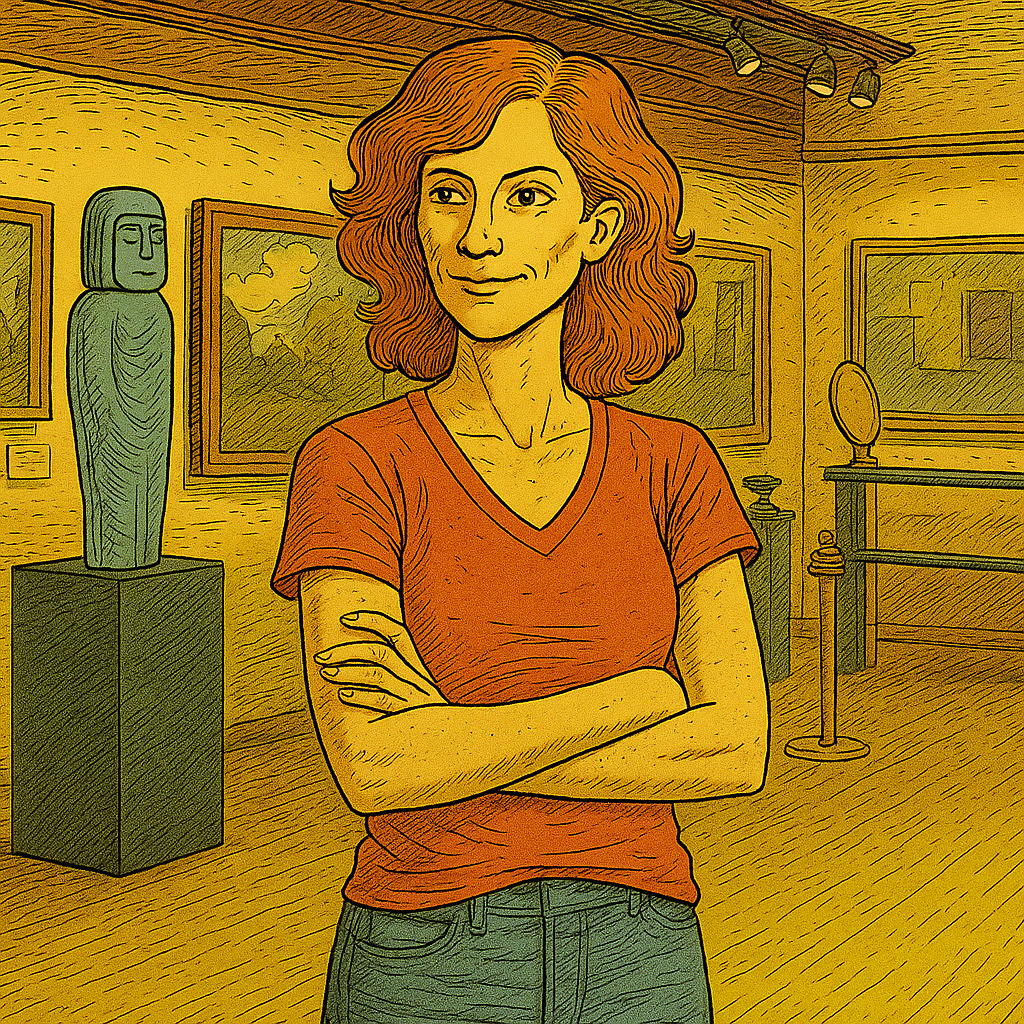
 The morning began clear and thin-aired, the kind that sharpens sound and shadow. Frost clung to the grass on the north sides of roofs and fences, silvering the edges where the sun had not yet touched. From the porch I could hear the scrape of someone’s shovel two streets over—leaves, not snow. The cottonwoods had finally surrendered their last gold, and the cleanup was under way. A few houses already had strings of lights coiled around their eaves, early attempts to claim the season before winter properly began.
In town, the flags on Main still hung at half-staff from Veterans Day. No one seemed in a rush to raise them. That is one of the things I’ve come to admire about smaller American towns: the pauses between gestures. There’s a reluctance to overwrite the meaning of one observance with the next. The distance between ceremony and commerce remains just wide enough to breathe.
The sidewalks were quiet, even at midmorning. The shopkeepers exchanged short greetings but no one lingered. Most of the visitors had gone home. November belongs to the locals again—the café regulars, the clerks who know every face, the quiet exchanges that never make it into the visitor guides. Durango always exhales in this part of the year. The stillness feels like maintenance, a kind of civic housekeeping after the noise.
At the gallery, I unlocked the door and hesitated before turning on the lights. It still catches me off guard, this sense of belonging that came not through accident but through a series of deliberate signatures. Citizenship was supposed to feel declarative; instead, it feels procedural, slow, and earned through attention. In Germany, obligation had always been collective and bureaucratic. Here, it is personal—dependent on whether you show up, whether you listen, whether you vote, even when the outcome feels already decided.
I’ve begun to think of silence as a civic act. Not the silence of indifference, but of steadiness—the refusal to shout along with the constant noise. Democracy does not require volume, only endurance. Some mornings, standing in the cool air before the gallery opens, that feels like rebellion enough.