Weekly Dispatch
Week of September 10–16, 2023
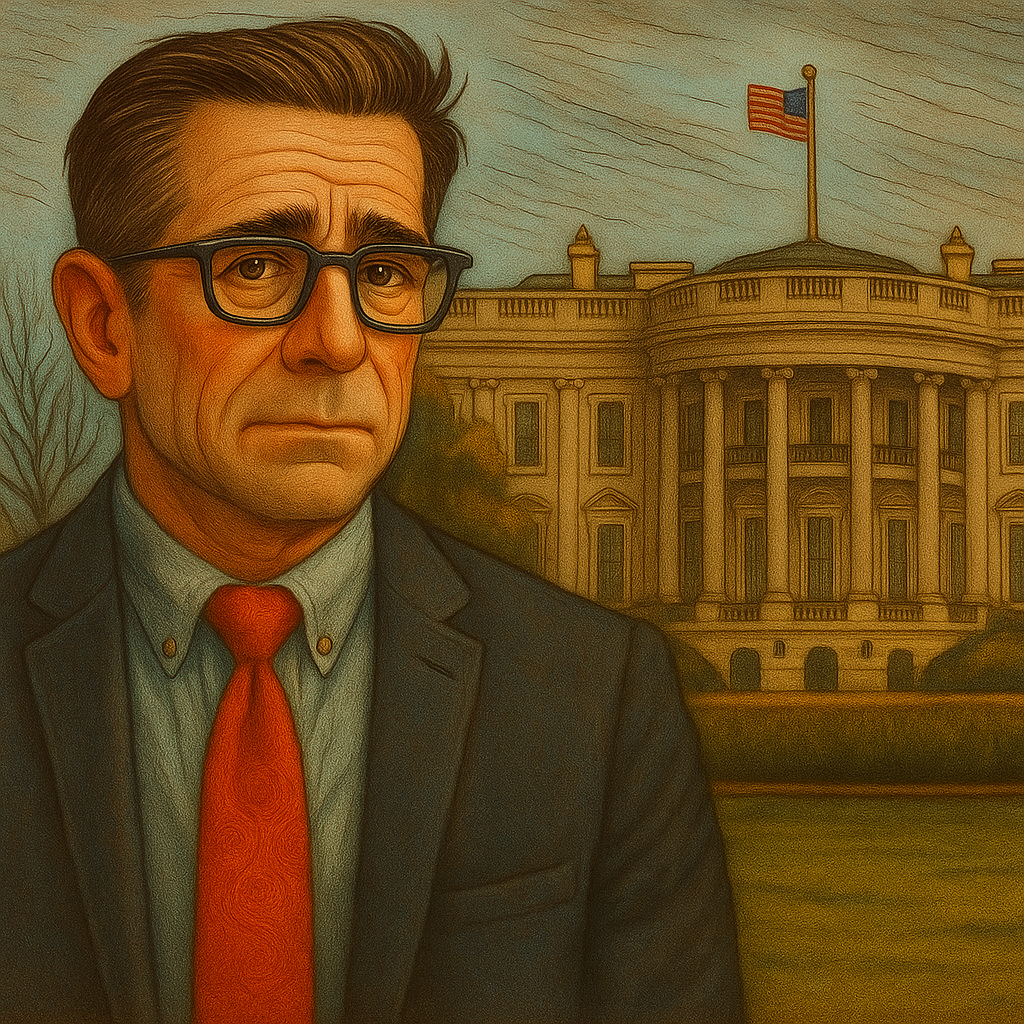 Mid-September brought another week of motion without progress—a country spinning its gears, mistaking the rhythm of movement for direction. The news flowed in familiar currents: storms, hearings, strikes, warnings. Every cycle felt like a repeat, yet the strain behind it deepened. The U.S. didn’t appear to be breaking down so much as wearing down, slowly, predictably, and in public view.
The week opened with the White House marking the 22nd anniversary of the September 11 attacks. The ceremony was quieter than past years, folded into a travel schedule rather than commanding it. For younger Americans, the event now sits in textbooks rather than memory. The symbolic shift felt less like neglect and more like exhaustion—the weight of too many crises since. Twenty-two years later, unity remains the most fragile memory the country owns.
In Congress, appropriations chaos advanced toward its annual climax. Negotiators circled the same points: funding for Ukraine, social spending caps, and the usual brinkmanship over shutdowns. The logic has become institutionalized: stage the threat, extend the deadline, and declare relief when government continues to function as designed. Markets hardly blinked. The fiscal cliff has been repackaged as seasonal theater.
Inflation data edged downward, though the relief remained theoretical for most households. Mortgage rates hovered near twenty-year highs, freezing the housing market. Gas prices spiked again along the Gulf Coast after refinery outages tied to hurricane recovery. Economists debated whether the Fed’s restraint would hold, while small business owners simply calculated payroll. The gap between economic narrative and lived arithmetic remains the country’s most measurable divide.
Labor unrest persisted. The United Auto Workers entered its final countdown toward a potential strike, demanding wage recovery and cost-of-living protection after years of concessions. “Record profits mean record contracts,” the union said, testing how much leverage remains in the age of automation. In Hollywood, the writers’ strike crossed its hundredth day, while actors prepared to follow through the fall. The term “solidarity” returned to headlines that had forgotten it, though few could afford to live by it for long.
Extreme weather kept its own tempo. In the Northeast, remnants of Hurricane Lee approached with uncertain strength. Evacuation maps refreshed automatically, reminders of how digital alerts have replaced human anticipation. Out West, new wildfires spread across Oregon and Northern California, burning into already-scarred ground. Firefighters called it “overlap season”—the time when last year’s scars ignite again. Federal forecasters warned that suppression budgets were nearly exhausted, another metric of national fatigue.
In education, universities resumed under the shadow of political skirmishes. New restrictions on diversity and inclusion programs arrived in multiple states, prompting protests and resignations. Professors described the atmosphere as “managed tension.” Students described it more plainly: confusion about which words might now be forbidden. The classroom has become another theater of ideology, with instructors rewriting syllabi as acts of risk management.
Technology headlines offered little reassurance. Another data breach—this one from a health-care payment processor—compromised millions of patient records. AI companies released new guidelines for election integrity that read more like disclaimers than commitments. Deepfakes of candidates continued to spread faster than corrections. The promise of innovation now comes bundled with a disclaimer: not responsible for collateral damage.
Abroad, the landscape grew heavier. In Ukraine, slow progress and steady casualties pushed morale into a gray zone between defiance and fatigue. Western officials warned of donor fatigue, too—a phrase that now echoes across every global crisis. In North Africa, floods in Libya killed thousands, a disaster amplified by years of neglected infrastructure and divided governance. The images of washed-out cities and uncounted dead barely held the world’s attention for forty-eight hours before the feed scrolled onward.
Back home, the presidential race simmered beneath the surface noise. Polls showed little movement, reinforcing the sense that opinions have calcified into identity. Debates scheduled for later in the month promised contrast but not persuasion. Analysts called it “stability.” Voters called it “nothing changing.” The country remains locked in a political arm-wrestle where both sides have lost circulation but neither will let go.
Amid the heaviness, local stories hinted at quieter resilience. Volunteers in Maui continued cleanup beyond the cameras. Flood-damaged towns in Vermont reopened libraries and schools, marking small victories with ribbon-cuttings and bake sales. Community radio stations broadcast fundraisers that doubled as therapy sessions. Even as federal systems stall, local energy still circulates where bureaucracy cannot.
By Saturday, the national mood resembled an overworked engine idling in neutral—no major crisis, yet every indicator running hot. The machinery of government continues to turn because routine has replaced leadership as the organizing principle. Courts schedule hearings, agencies issue warnings, and the public keeps adjusting expectations downward in increments small enough to accept. Fatigue, once temporary, has become the new equilibrium. The nation functions, but without rhythm or rest—a clockwork of endurance, ticking toward an undefined horizon.