 America lost its adjectives first. Everything became either great or terrible, patriot or traitor. Once the modifiers died, meaning followed. Nuance takes time, and time is the one resource nobody budgets anymore.
The age of short attention produced a politics of short sentences. Certainty became currency, and the market punished hesitation. Candidates don’t explain—they declare. Networks don’t analyze—they react. Citizens don’t deliberate—they brand. Subtlety doesn’t trend.
It’s not that people got dumber; the culture trained them to equate complexity with deceit. If an issue can’t be summarized in a meme, it’s suspect. The more accurate a statement is, the less shareable it becomes. Truth now has a loading bar, and most users click away before it finishes.
When every discussion is a duel, language becomes weaponized. “Woke,” “groomer,” “globalist,” “patriot”—each word drags a tribe behind it. To question the definition is to risk excommunication. Dictionaries once recorded meaning; now they record casualties.
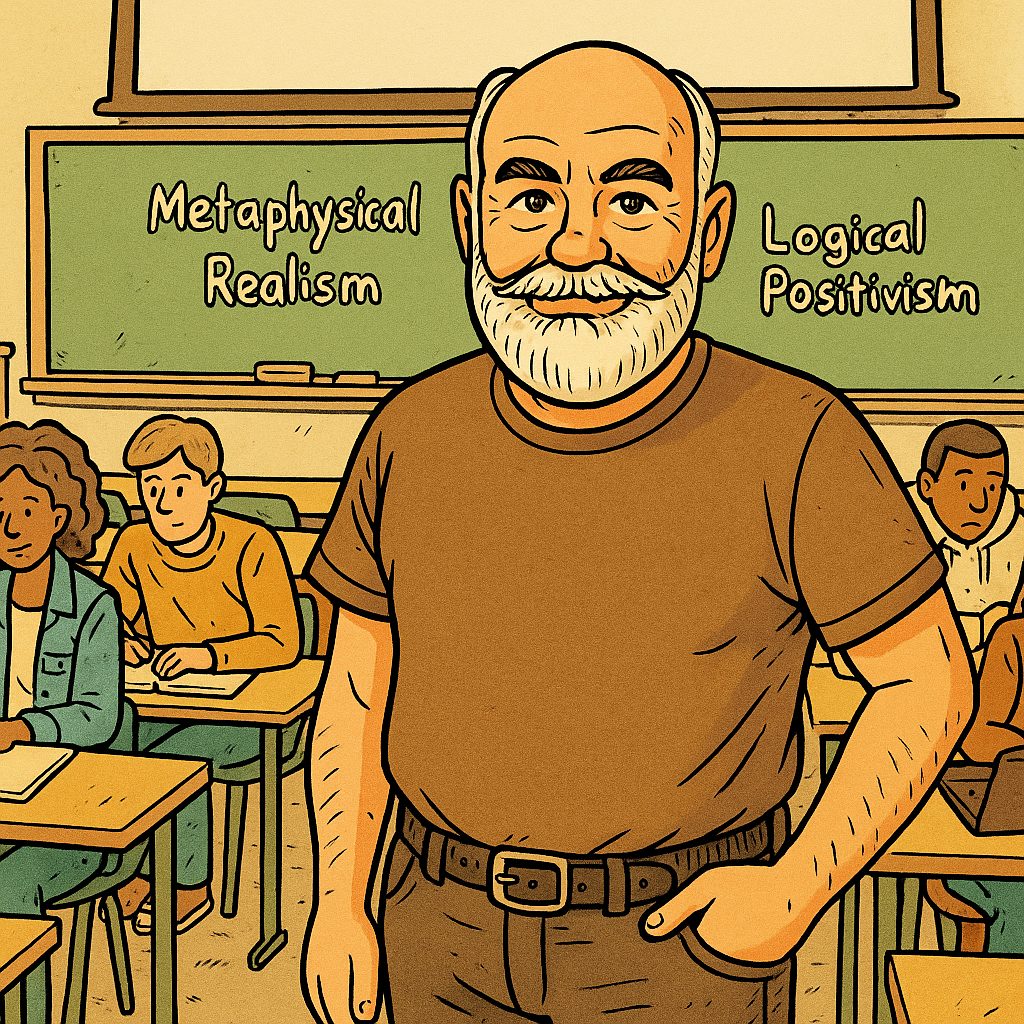
Universities feel it too. Professors draft disclaimers longer than syllabi. Students arrive fluent in moral shorthand, allergic to uncertainty. A single adjective can trigger an inquiry. The classroom becomes litigation instead of exploration, and learning shrinks to what’s least risky to say aloud.
Media executives learned to translate that fear into profit. Outrage generates clearer metrics than nuance ever did. Nuance requires context; outrage runs on instinct. Algorithms can’t parse ambiguity, so they bury it. A post that says maybe dies quietly between hell yes and hell no.
The disappearance of nuance is also a labor issue. Workers who ask questions slow the meeting; executives who hedge lose investors. The corporate memo learned to sound like a campaign speech: confident, moral, final. The spreadsheet world adopted the sermon’s tone.
Government follows suit. Hearings stage theater instead of oversight because drama cuts better clips. No one wants to be the member who says, It’s complicated. Complexity doesn’t fundraise. So legislation becomes slogan, and policy becomes costume.
Language suffers because listening died. Conversation used to mean alternation—now it means interruption. The pause between sentences, where nuance lives, has been filled with noise. People don’t wait to understand; they reload to respond. The republic hums at the frequency of impatience.
Even art caves under the pressure. Novels once trusted readers to infer; now publishers demand “clear moral framing.” Film scripts pitch “strong messaging.” Subtlety fails the test audiences. The middle ground—between satire and sincerity, irony and empathy—collapses under marketing notes.
Every generation loses something, but losing nuance is fatal. Without gradation, ethics becomes geometry—everything 90 degrees apart, nothing curved. Democracy survives on curvature. It bends toward compromise, toward synthesis. Straight lines are for barricades.
The collapse of nuance isn’t just linguistic—it’s moral. When complexity disappears, so does mercy. People who can’t imagine mixed motives stop forgiving; people who can’t parse shades of gray start sorting humanity into allies and enemies. History shows what follows.
Technology didn’t invent this—it just gave it scale. The printing press once expanded literacy; now the algorithm expands certainty. Both promised enlightenment; only one delivered. The new machinery floods the mind with simplified models of everything. It rewards conviction over curiosity because conviction clicks faster.
Rebuilding nuance won’t trend. It requires boredom, patience, silence—the least monetizable virtues. But every real correction begins in those margins. When people relearn to sit inside ambiguity without panic, politics will start sounding human again.
Because truth lives in clauses, not captions. It breathes in the commas, hesitates before the period. Nuance isn’t fragility; it’s fidelity to reality’s texture. The republic dies when everything sounds too sure of itself.
There’s no app for that—just the slow, analog work of listening long enough to realize someone else might also be partly right.