Weekly Dispatch
Week of September 24–30, 2023
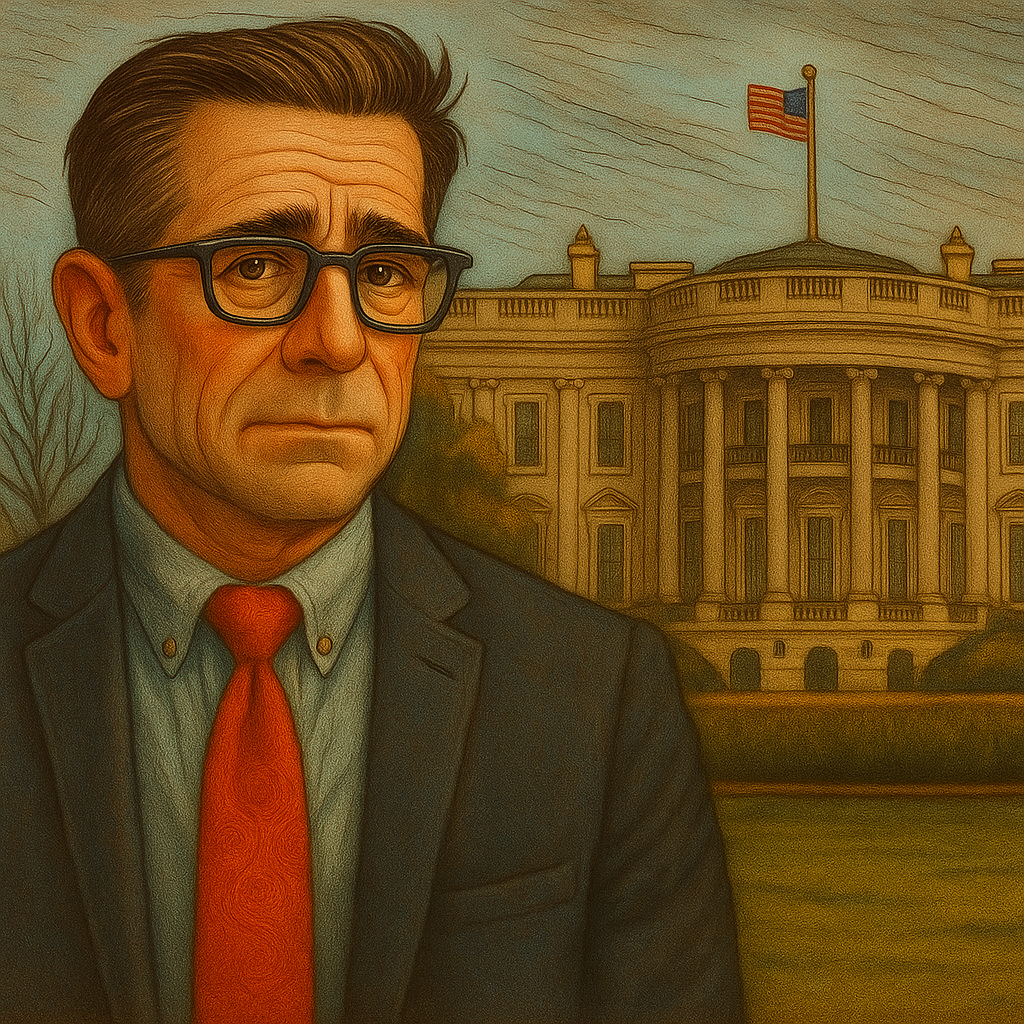 The week opened with a countdown and ended with another narrow escape. Once again, Congress dragged the country to the brink of a government shutdown before passing a temporary funding bill with hours to spare. The late-night vote avoided immediate furloughs and flight delays, but it also extended a familiar truth: the United States now governs by emergency extension. Each reprieve buys time, not stability. The public’s gratitude has been replaced by fatigue.
Speaker McCarthy faced rebellion within his own caucus after brokering a deal that left out the deep cuts demanded by the far right. For a few hours, the government’s solvency depended on Democrats voting to save a Republican leader from his own party. They did—then immediately began preparing for the next fight in November, when the continuing resolution expires. The shutdown has become less a threat than a ritual, an annual stress test of how much dysfunction the system can absorb.
Federal agencies operated under the usual austerity precautions: suspended travel, frozen grants, delayed contracts. The Pentagon warned of ripple effects on training cycles and civilian pay. National parks prepared contingency plans that would have closed visitor centers during peak fall season. Each agency now maintains a permanent “shutdown playbook,” as if paralysis were a standard operating condition. The most accurate budget forecast in Washington isn’t measured in dollars but in days to crisis.
Economic data offered mixed signals. GDP growth remained steady, unemployment low, but consumer debt reached a record $1.1 trillion in credit cards alone. Analysts warned of “creeping insolvency” among middle-income households—families current on payments but one missed check away from trouble. Gasoline prices climbed again despite declining crude costs, a disconnect explained by refinery downtime and profit-taking. In a country built on abundance, scarcity now arrives in familiar forms: rent, fuel, groceries, time.
Labor unrest continued to define the month. The UAW strike expanded to more plants as negotiations dragged on, with public support holding steady even among nonunion workers. Detroit’s Big Three faced an uncomfortable symmetry: they had achieved record profits by cutting headcount and automating production, and now faced record demands to share the gains. The White House sent mediators, but neither side wanted to blink first. The auto industry, once America’s symbol of endless motion, became its newest emblem of gridlock.
Elsewhere, the fallout from the Hollywood strikes continued. Studios postponed major releases into 2024, and local economies dependent on film production tightened their belts. “Secondary layoffs” became the week’s phrase—businesses hit not by strikes themselves but by their shadow. What began as creative labor action now touches caterers, dry cleaners, and rental houses. The entertainment industry has become a case study in what happens when a digital transition outpaces human sustainability.
In climate news, September closed as one of the hottest on record. The National Oceanic and Atmospheric Administration confirmed 2023 as likely to rank among the top three warmest years globally. Drought gripped parts of the Midwest and Mississippi basin, reducing barge traffic and threatening grain exports. In the Northeast, persistent rain and flooding continued to test infrastructure designed for a gentler climate. Each report reads like an appendix to an unchanging conclusion: the future is already here, just unevenly distributed.
Abroad, instability followed familiar lines. Ukraine’s counteroffensive slowed under worsening weather, and Western funding fatigue grew more explicit in parliamentary debates. The UN General Assembly adjourned with polite applause and few tangible commitments. China’s economy remained fragile; its property sector teetered while youth unemployment vanished from official statistics rather than reality. Global confidence, like the U.S. budget, now survives on extensions and appearances.
Technology added its own turbulence. Lawmakers grilled tech executives over AI regulation again, while new leaks revealed that one major platform had quietly tested emotion-predictive algorithms for ad targeting. The line between innovation and intrusion blurred further, and public attention barely flickered. Privacy has become ambient background noise—a cost of participation, not a choice.
Cultural life pressed forward anyway. College football filled weekends with color and noise, small towns revived their county fairs, and harvest festivals unfolded across the Midwest. These scenes offered no illusion of unity but provided a shared pause from the churn. Community, however temporary, remains the most renewable resource left in the system.
By Saturday, the crisis had receded but not ended. The temporary funding deal kept lights on but did nothing to solve the deeper problem: a government running on borrowed time and habit. The national rhythm has become one of reprieve followed by relapse—each avoidance of catastrophe treated as success. What used to be a constitutional process has become a high-wire act performed for a weary audience.
The week closed not with celebration but with resignation: another deadline met, another warning deferred. America keeps paying its bills in installments—of money, trust, and attention. The currency still spends, but the balance is shrinking.