Weekly Dispatch
Week of November 5–11, 2023
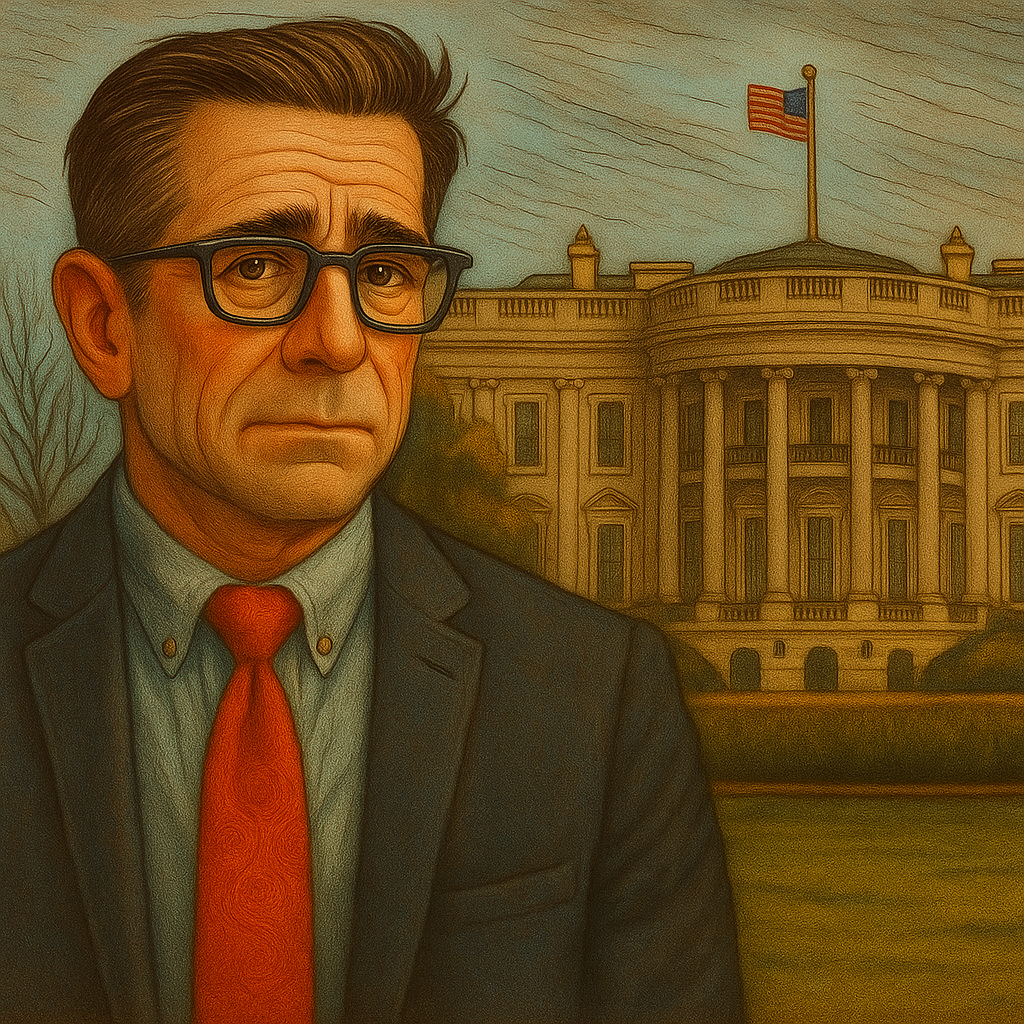 The first full week of November opened with two clocks running: one toward another government shutdown, the other toward wider war. In Washington, deadlines have become the closest thing to structure. The new Speaker’s honeymoon vanished as fast as it began. Mike Johnson spent the week trying to reconcile a hard-right caucus demanding deep cuts with moderates terrified of another self-inflicted shutdown. The math hasn’t changed—218 votes required, 221 members in his majority—but the mood has: every bill is now a test of survival.
Johnson floated a “laddered” continuing resolution—separate deadlines for different agencies—to avoid an all-at-once collapse. It was a procedural patch dressed up as reform. The White House called it chaos in stages. Both were right. The governing class has learned to improvise on empty: short-term spending, temporary funding, rolling threats. Continuity is achieved through exhaustion, not consensus.
Abroad, Israel’s ground assault on Gaza intensified into block-by-block combat. The humanitarian situation, already catastrophic, crossed into collapse. International aid groups lost contact with field workers after communications cutouts. U.S. diplomats continued shuttle visits across the region, pressing for humanitarian pauses that neither side honored for long. At home, polling showed Americans divided not just by policy but by grief—half identifying primarily with security, half with suffering. The argument is moral, generational, and personal; it splits households as easily as parties.
Protests expanded again in major cities. Police departments issued conflicting crowd estimates, but the images told the story: vast marches under rain, chants echoing off federal buildings, and the uneasy calm of counter-protest lines separated by barricades. What began as demonstrations over foreign policy has evolved into a referendum on empathy itself—who receives it, and who must earn it.
Economically, the week brought what analysts called “stabilized strain.” Inflation edged lower, but consumer debt continued to surge. Gasoline prices fell modestly, yet groceries climbed. The Fed hinted that rate hikes may be over, though relief remains theoretical for households already priced out of credit. Economists still describe the landing as “soft.” For many families, it feels more like a controlled skid.
Corporate headlines matched the contradictions. Major tech firms announced layoffs even as profits soared, citing “AI realignment.” Wall Street celebrated efficiency; workers called it disposability by algorithm. The country’s economic narrative—resilient yet brittle—depends increasingly on which chart you read and which job you still have.
Climate joined the list of recurring emergencies. Early snowstorms swept through the northern plains while the Southeast recorded another week of record heat. California officials declared the wildfire season “extended indefinitely.” FEMA’s fund remained near depletion after a record 25 disaster declarations this year alone. Emergency management is now a year-round occupation; recovery, a continuous loop.
Labor continued its autumn of leverage. Kaiser Permanente employees ratified a new contract after the largest health-care strike in U.S. history, securing wage increases and staffing guarantees. The victory confirmed that unions, once written off as relics, are reshaping the labor market’s bottom line. Organizers in logistics, food service, and higher education moved next. The pattern is unmistakable: in a country short on institutional trust, the workplace has become the last arena where collective action still delivers visible results.
Technology and politics remained intertwined. Election security briefings warned state officials about the spread of AI-generated campaign content, including fabricated endorsements and attack ads indistinguishable from authentic ones. Platforms promised new watermarking systems while quietly lobbying against regulation. The coming election will test not only voters’ judgment but their capacity to distinguish signal from noise.
Culturally, the mood turned inward. Bookstores reported surges in nonfiction about burnout and resilience. Museums used evening hours as shelters from protest curfews. Sports delivered momentary unity—the World Series concluded, football dominated television—but even leisure feels provisional, a scheduled break in the cycle of alertness. The national vocabulary of rest has shrunk to “power nap” and “limited release.”
By Friday, the federal funding debate returned to familiar lines: a bipartisan group in the Senate pushing for stability, the House fracturing along grievance. The markets barely reacted. Investors have accepted dysfunction as the price of democracy; uncertainty now trades like a commodity. For citizens, the fatigue has moved past outrage into endurance.
The week closed with symbolic symmetry: Veterans Day ceremonies across the country honored service while the government those veterans defended prepared to stall again. Flags waved, speeches praised unity, and traffic detoured around yet another march demanding peace abroad and accountability at home. The United States continues to function through motion alone—debating, spending, deploying, arguing—its forward momentum powered less by consensus than by sheer refusal to stop.
Continuity, at this point, is the only victory anyone still believes in.