Weekly Dispatch
Week of October 29–November 4, 2023
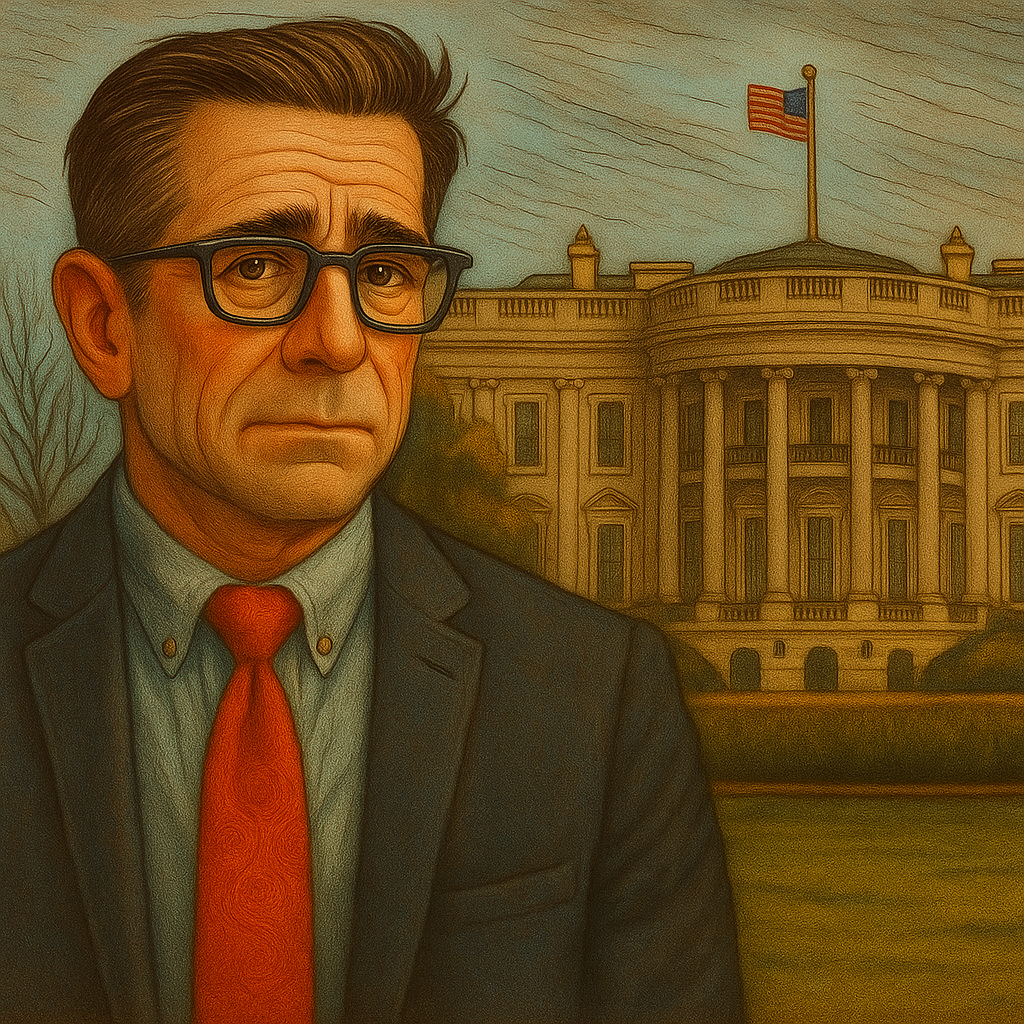 Halloween came and went under heavy skies—literal and political. Storms rolled through the East Coast as if on schedule, delaying flights and flooding low-lying neighborhoods already patched from the last round. On Capitol Hill, the new Speaker began his first full week in office by discovering what his predecessors had learned the hard way: the speakership is not a position of command but of management, and the conference he now leads is allergic to both.
Mike Johnson’s initial agenda revealed more aspiration than leverage. He promised to restore discipline, move spending bills individually, and “return power to the committees.” Those words landed like antique slogans in a chamber tuned to television sound bites. His first legislative act—an Israel-only aid package offset by cuts to the IRS—passed narrowly but doomed itself in the Senate before the ink dried. It was less a policy statement than a loyalty test, forcing members to declare whether support for an ally required a domestic casualty. The answer split predictably along partisan lines.
The administration called the bill “dead on arrival,” insisting that aid to Israel, Ukraine, and humanitarian efforts be linked in a single package. The White House pressed its case with allies abroad while trying to keep attention on domestic resilience. Behind the diplomacy lies a deeper truth: the U.S. can still project power, but not unity. Every emergency abroad now triggers two conflicts—one external, one procedural.
In Gaza, the war entered its most brutal phase yet. Israeli ground forces pushed deeper into urban neighborhoods while airstrikes continued overhead. Civilian casualties mounted into the tens of thousands. Hospitals rationed fuel, surgeries occurred by flashlight, and water trucks lined border checkpoints under fire. Aid convoys trickled through but couldn’t keep pace with need. The language of official statements—“proportion,” “restraint,” “humanitarian access”—felt increasingly detached from the images on screen. Each side claimed necessity; neither claimed control.
Protests widened across the United States. Tens of thousands marched in Washington and New York calling for ceasefire, while counterprotesters waved Israeli flags at intersections only blocks away. Police maintained distance until shouts turned to scuffles. The divisions that once seemed theoretical—between security and conscience, identity and policy—now played out in real time. For younger generations, this war may become what Iraq or Vietnam was to earlier ones: the test that measures what America’s ideals actually mean.
At home, the economy continued its strange resilience. Unemployment remained near record lows, yet layoffs quietly accelerated in tech and logistics. Mortgage rates hovered around 8 percent, freezing real estate in a kind of suspended animation. Consumer spending held up through credit, not confidence. Analysts warned that the holiday season would expose the gap between data and reality: optimism built on debt. The markets celebrated each new sign of moderation as if relief itself could be monetized.
Labor carried its momentum into November. The UAW formally ended its strike after ratifying new contracts with all three automakers, securing wage hikes up to 25 percent and guarantees for EV-plant jobs. The ripple reached health care and service unions already organizing for next year. The message was unmistakable: labor has rediscovered its leverage, and corporate America will have to learn new arithmetic. The quiet part—that middle-class survival now requires confrontation—became the loudest lesson of 2023.
Meanwhile, the climate clock kept ticking. Federal scientists confirmed that 2023 was on track to be the hottest year ever recorded globally. Coral reefs bleached in the Caribbean; drought tightened across the Mississippi and Ohio Valleys. FEMA reported its disaster relief fund at “critical levels.” The agency now describes recovery as “rolling triage”—a phrase that should never have entered civilian vocabulary but now fits everything from wildfires to policy.
Technology news offered distraction without comfort. AI companies raced to release faster, more conversational models; regulators issued warnings with no enforcement teeth. Disinformation about Gaza and Ukraine spread faster than fact-checkers could counter. Deepfakes of public officials appeared within hours of their real speeches. Truth has not disappeared—it’s just drowned in replication. The information age has become an imitation age.
By week’s end, the House adjourned without resolving next month’s funding crisis. Members went home to their districts, where Halloween decorations sagged under rain and early frost. Children trick-or-treated between thunderclaps; parents checked phones for weather alerts. The rituals continued, as they always do, because continuity itself has become the national act of faith.
The pattern holds: each crisis becomes background for the next, until attention itself wears thin. The machinery of democracy still turns, but mostly by inertia. America no longer reacts to emergencies; it accommodates them. The abnormal has learned to pass as ordinary—and the ordinary, increasingly, feels like a luxury.