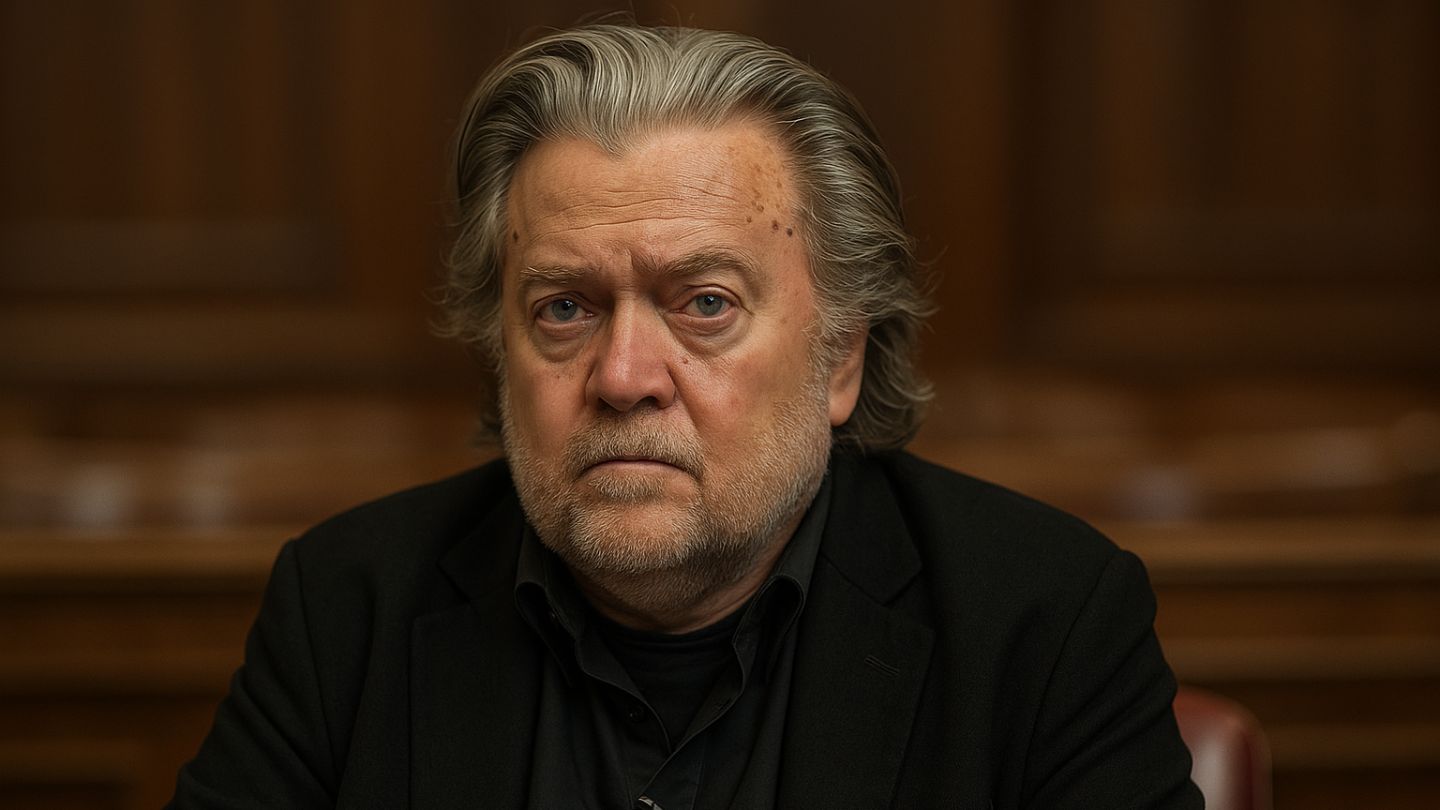
 Steve Bannon’s path to political prominence wasn’t conventional, but it was meticulously calculated. He transformed from a naval officer to an investment banker and then to the executive chairman of Breitbart News, where his mastery of political media took root. Breitbart wasn’t just a publication—it was a weapon. Bannon sharpened its tone to cut through political norms, spitting venom at the establishment and mainstream media alike. His unapologetic embrace of far-right populism set the stage for what came next.
In 2016, Bannon joined the Trump campaign, where his “flood the zone” strategy—overwhelming the media with chaos and controversy—helped shift the narrative. It wasn’t about winning clean; it was about winning ugly and making it stick. Bannon thrived on conflict, viewing compromise as weakness. This hard-nosed strategy mirrored his tenure at Breitbart, where outrage wasn’t just a side effect; it was the product.
Ideological Battles and Power Plays
Bannon wasn’t content to simply ride Trump’s coattails; he aimed to shape the ideology of Trumpism from within. His push for economic nationalism, trade wars, and an iron grip on immigration policy wasn’t just about America First—it was about Bannon First. In the White House, his alliances with Stephen Miller and others forged a hardline policy approach that clashed violently with more centrist voices. He made enemies fast: Jared Kushner, Gary Cohn, and even Chief of Staff Reince Priebus couldn’t mask their disdain.
This power grab extended to the National Security Council, where Bannon’s presence alarmed even seasoned political operatives. His ambition to “deconstruct the administrative state” wasn’t just rhetoric; it was a blueprint. Bannon’s agenda was clear—bulldoze the establishment, dismantle the norms, and rebuild a government where his brand of nationalist populism ruled unchallenged.
The Fall and the Aftermath
Bannon’s tenure in the White House was as short as it was explosive. By August 2017, just seven months into Trump’s term, he was out. Officially, it was a mutual decision. Unofficially, it was the culmination of a bloody power struggle and a series of media missteps. Bannon’s unfiltered mouth and thirst for the spotlight became liabilities, and Trump’s ego couldn’t tolerate the perception that Bannon was the brains behind the operation.
But Bannon didn’t slink away quietly. He retreated to familiar territory—Breitbart and the newly minted War Room podcast. War Room wasn’t just a show; it was a political engine, a megaphone for conspiracy and grievance. It fueled Trump’s base with tales of deep-state corruption, election fraud, and cultural decay. In essence, Bannon built a propaganda machine that outlasted his time in the West Wing.
Legal Troubles: From Contempt to Fraud
Bannon’s swagger hasn’t been without consequence. His first high-profile legal battle was over contempt of Congress after he refused to comply with a subpoena from the January 6th Committee. He claimed executive privilege—a bold move considering he wasn’t even a White House official at the time of the insurrection. It didn’t work. Bannon was charged, convicted, and eventually imprisoned after exhausting every legal appeal he could muster. His response? A grin and a sneer, like he wore the contempt conviction as a badge of honor, a symbol of defiance against a government he claims is corrupt to its core.
The fraud charges were more brazen. His involvement in the We Build The Wall campaign was nothing short of a grift, siphoning money from Trump’s base under the guise of building that infamous border wall. While Trump pardoned him on federal charges, the state of New York didn’t let him off so easily. Bannon eventually caved and accepted a plea deal—no jail time, but barred from running nonprofit fundraisers in New York for three years. It was a slap on the wrist for anyone else; for Bannon, it was just another headline, another chance to play the martyr.
The War Room and the Megaphone of Populism
For Bannon, media is both sword and shield. War Room is his political warpath, a daily broadcast that vomits out conspiracies and grievances to a ready audience. It’s not just political commentary; it’s strategic disinformation. Bannon understands that the game is about volume and velocity—flood the space with so much noise that truth gets drowned in the static. War Room is a hub for election denialism, anti-vaccine rhetoric, and borderline insurrectionist propaganda. This is where he molds the narrative, uncensored and unchecked.
Bannon isn’t just a broadcaster; he’s an architect of political dissent. He calls it mobilizing the base; critics call it inciting division. Either way, it’s effective. His reach extends far beyond his screen, into local precincts, state legislatures, and school boards. War Room is the heartbeat of his political strategy—a platform for grievance politics and a launching pad for the next generation of Trumpist hardliners.
Eyes on 2028: The Precinct Strategy
Bannon’s game isn’t just about amplifying rage; it’s about seizing power from the ground up. His “precinct strategy” is a full-scale assault on local politics. He’s actively encouraging his War Room listeners to flood precinct meetings, take up GOP committee seats, and exert influence over election boards. It’s not just mobilization—it’s hostile takeover. His endgame? To have loyalists in key positions across the country ahead of Trump’s 2028 run, ready to challenge electoral outcomes if they don’t go his way.
Bannon is betting on chaos as a political weapon, turning grassroots organizing into a blunt instrument to batter democratic norms. It’s not subtle, and it’s not clean—but for Bannon, it’s the perfect strategy. He’s building an army of foot soldiers, primed to discredit elections and push back against any hint of federal oversight.
The Real Threat
Bannon’s strategy is more than just populist rage—it’s a blueprint for controlled chaos. If left unchecked, his War Room and precinct takeovers could shift local politics to mirror the worst of his nationalist vision: exclusionary, hostile, and anti-democratic. It’s not about winning votes; it’s about controlling the count. If you think this is just political theater, think again. Bannon isn’t interested in playing nice. He’s building a revolution, one precinct at a time.
And he’s just getting started.