Weekly Dispatch
Week of October 8–14, 2023
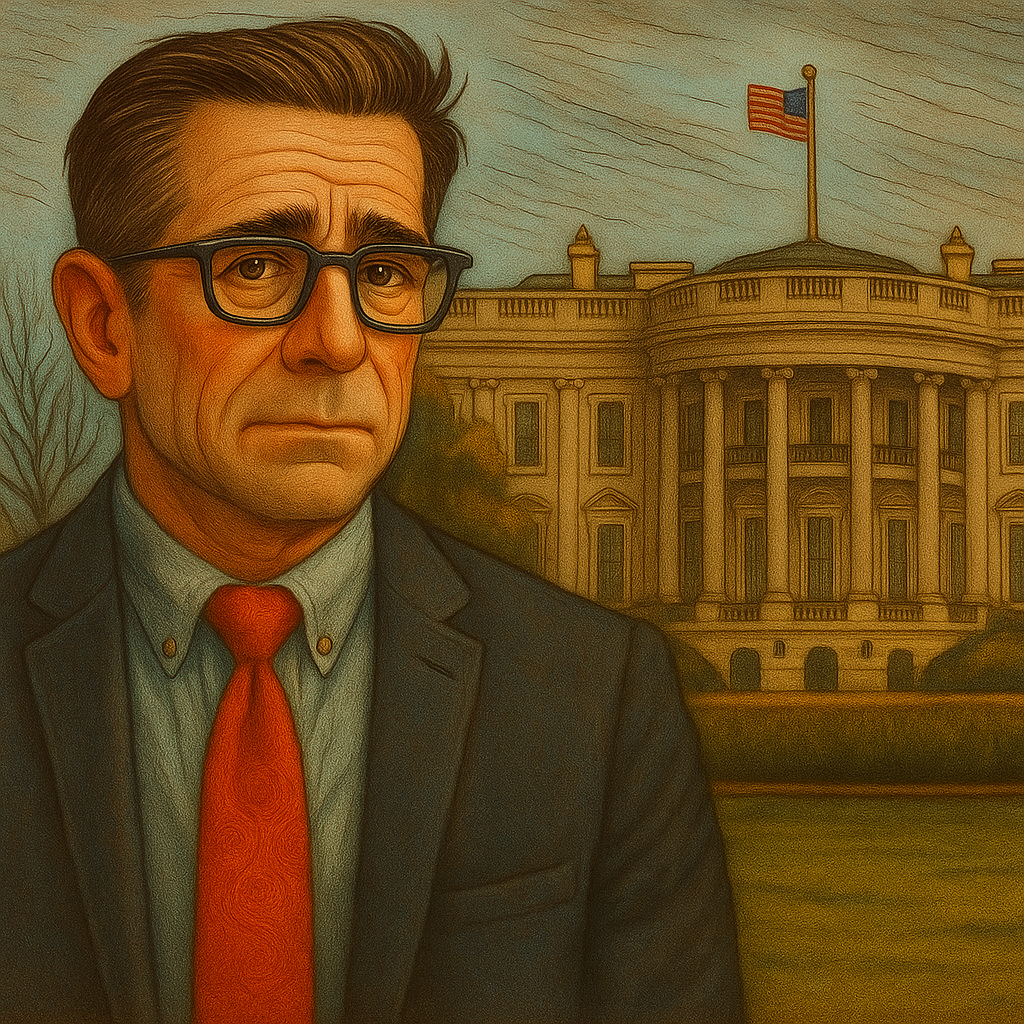 The week began with headlines from half a world away and ended with a vacuum in Washington that felt uncomfortably familiar. On Saturday, October 7, Hamas launched a surprise attack on Israel, killing hundreds and taking hostages in the deadliest assault the country had seen in decades. By Sunday, Israel had declared war. Airstrikes hit Gaza in waves. The images—flattened neighborhoods, burning cars, and civilians fleeing on foot—pushed nearly every other story off the front page. The world had changed again, but Washington, paralyzed without a House Speaker, could barely respond.
President Biden addressed the nation midweek, condemning the attacks and promising support for Israel. But even statements of solidarity required procedural workarounds. Without a Speaker, the House couldn’t authorize aid or pass resolutions. Members held press conferences instead, competing for airtime while privately admitting they had no authority to act. The optics were damning: a superpower rhetorically engaged but structurally offline. The vacuum at the center of U.S. governance had become visible to the world.
Across cable panels, analysts spoke of “inflection points.” In practice, the phrase has lost its meaning. The United States now moves from one to the next without pause—pandemic, insurrection, war, inflation, heat, fire, storm, and back to politics as spectacle. Every event is declared a turning point until the next one arrives. The pattern is less revolution than rotation: the same headlines rearranged around a deepening fatigue.
Markets reacted with their usual contradiction. Energy stocks climbed, safe-haven assets surged, and defense contractors gained ground. Investors treat instability as forecastable. Oil prices spiked briefly but settled below expectations as analysts weighed whether the conflict would stay regional or spill outward. The economy remains fluent in crisis; it monetizes everything, even tragedy.
Meanwhile, the domestic story of paralysis continued. House Republicans nominated multiple Speaker candidates in rapid succession, none securing enough votes to take the gavel. Each round of voting looked less like governance and more like an open audition for relevance. The government, technically operational, felt functionally leaderless. Staffers called it “decision drift”—the sensation of doing work whose outcomes no longer depend on decision-making.
In Detroit, the UAW strike reached its fourth week, expanding to more parts suppliers as talks stalled. Executives warned of layoffs at non-striking plants, a move the union called blackmail. The confrontation over wages and electric-vehicle transition subsidies began to look like a referendum on the direction of the entire manufacturing economy. Workers framed it as a fight for survival; companies framed it as the price of innovation. Both were correct.
The weather joined the chorus of instability. Flash floods swept through parts of New York and New Jersey after heavy rain, again overwhelming storm drains built for a different century. In Texas, temperatures above 90 persisted into mid-October, prolonging an electric demand season that now stretches nearly year-round. Climate fatigue has become institutional: every emergency response contains a footnote about what funding source hasn’t yet been replenished.
Culturally, the week carried an air of suspended animation. Film and television production remained slow, though some late-season releases trickled back as strike negotiations edged toward compromise. Sports provided the usual temporary distraction—football, baseball playoffs, college rivalries—but the tone was subdued. Even entertainment can’t escape the weight of the news cycle. The national soundtrack has shifted from outrage to overload.
Abroad, the humanitarian situation in Gaza deteriorated rapidly. Israel’s siege cut power and water; aid agencies warned of catastrophe. Diplomats scrambled to negotiate corridors for civilians, but logistics collapsed under the pace of violence. The State Department worked on contingency evacuations for Americans in the region while urging allies to contain escalation. Analysts spoke openly about a “regional reset,” meaning an expansion that would drag Iran, Hezbollah, and possibly the U.S. itself into direct confrontation. The world’s most unstable region had found a new fault line.
Through it all, the public absorbed the flood of information with practiced numbness. Social media became a battlefield of propaganda and grief, where misinformation spread faster than official statements. AI-generated footage appeared within hours of the first reports, blurring truth at the edges. Verification—already fragile—became nearly impossible. The result was a crisis witnessed in real time but understood in fragments.
By Friday, Congress remained without a Speaker, the Middle East was at war, and the stock market had regained its footing. The United States continued to function on autopilot: agencies executing old directives, citizens navigating new anxieties, and institutions treating paralysis as continuity. What used to be considered emergency governance now passes for normal operations.
The week ended as both a beginning and a warning. The shock overseas exposed the stall at home. The superpower still had reach but no rhythm—an arsenal of influence without the capacity for coordination. Each system kept running, but none could accelerate. The machinery of response worked, just not in time.