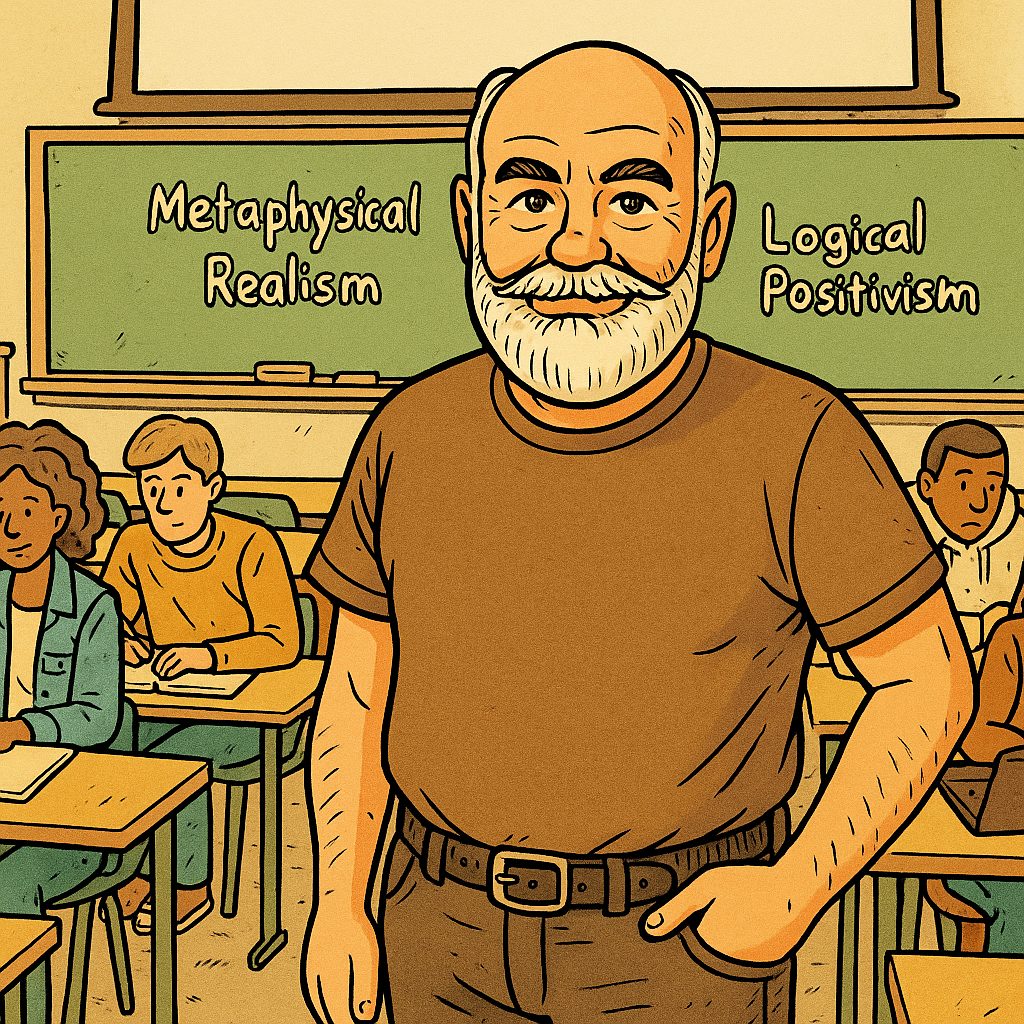
 America worships experts and despises them at the same time. It wants guidance without correction, credentials without constraint. Every crisis produces a new parade of professionals—economists, generals, psychologists, constitutional lawyers—lined up under studio lights, speaking in the measured tones of authority. The audience nods, then ignores them. Expertise has become theater: performed knowledge staged for a country that no longer believes in knowing.
The modern expert functions less like a scholar and more like a translator between institutions and attention. Their job isn’t to clarify but to comfort—to repackage complexity into sound bites palatable enough to trend. They’re fluent in the dialect of credibility: acronyms, passive verbs, a dash of irony to seem relatable. The performance sells reassurance, not truth.
Television began the act, but social media perfected it. Credentials now compete with charisma. A PhD can’t beat a confident tone and a ring light. Expertise became a genre, and like every genre, it obeys audience expectations. Outrage pundits dress up as analysts; journalists audition as narrators of national anxiety. The incentive isn’t accuracy—it’s engagement.
Mid-century America still believed in institutions. Walter Cronkite could close a broadcast with “That’s the way it is,” and most viewers took him at his word. The authority was collective—anchored in the idea that facts were public property. When that consensus fractured, expertise lost its social contract. Now authority is individualized, algorithmic, and disposable. The same system that made everyone reachable made every fact negotiable.
Universities helped write the script. Tenure once protected dissent; now it protects branding. Professors learn to market their research like consumer products, framing nuance as controversy. Panels masquerade as debates but function as product launches for personal brands. The currency isn’t rigor—it’s recognizability.
When everything is performance, even truth wears makeup. Data becomes a prop, citations become costume jewelry. Every graph hides a narrative decision: what to count, what to omit, what to dramatize. The more technical the display, the more the audience mistakes opacity for wisdom. Complexity becomes camouflage.
The media understands this instinctively. Experts are cast, not chosen. Producers don’t ask, “Who’s right?” but “Who sounds right?” The camera loves confidence more than caution. That’s why bad forecasts survive and good ones vanish. The audience wants certainty; doubt ruins the illusion.
Real expertise, by contrast, is humble. It hesitates. It admits the boundaries of what can be known. But humility doesn’t sell. It looks weak under studio lights. So the serious voices retreat to journals no one reads, and the airwaves fill with well-lit certainty.
What dies in this process isn’t just accuracy—it’s accountability. When experts become entertainers, they inherit the logic of entertainment: nothing matters for long. Yesterday’s pundit error is today’s meme, tomorrow’s new booking. The cycle rewards forgetfulness.
The public, exhausted by contradiction, adapts. It stops asking whether the expert is right and starts asking whether they’re “for us.” Truth gets replaced by team identity. The person explaining climate science or economic policy becomes a stand-in for belonging. Information becomes tribal decoration.
The damage runs deeper than discourse. Institutions built on evidence begin to mimic the shows that parody them. Government briefings adopt talk-show cadence; corporate reports adopt influencer aesthetics. When everything must be “engaging,” precision dies. Bureaucracies forget how to speak in paragraphs. Policy collapses into performance art with a budget.
There’s no conspiracy behind it—just the slow gravity of spectacle. Attention distorts everything it touches. Once knowledge enters the feed, it has to entertain or it disappears. The republic ends up governed by tone instead of competence.
But there’s still a way back. It starts with discomfort—with rewarding honesty over fluency. Citizens can stop demanding certainty from experts and start demanding transparency. A sentence that begins “We don’t know yet” should sound like integrity, not failure. Real knowledge takes time, not applause.
The cure for the theater of expertise isn’t cynicism; it’s discipline—the refusal to mistake performance for proof. The next time someone explains the world with perfect confidence, the only rational response is a question.