Weekly Dispatch
Week of October 15–21, 2023
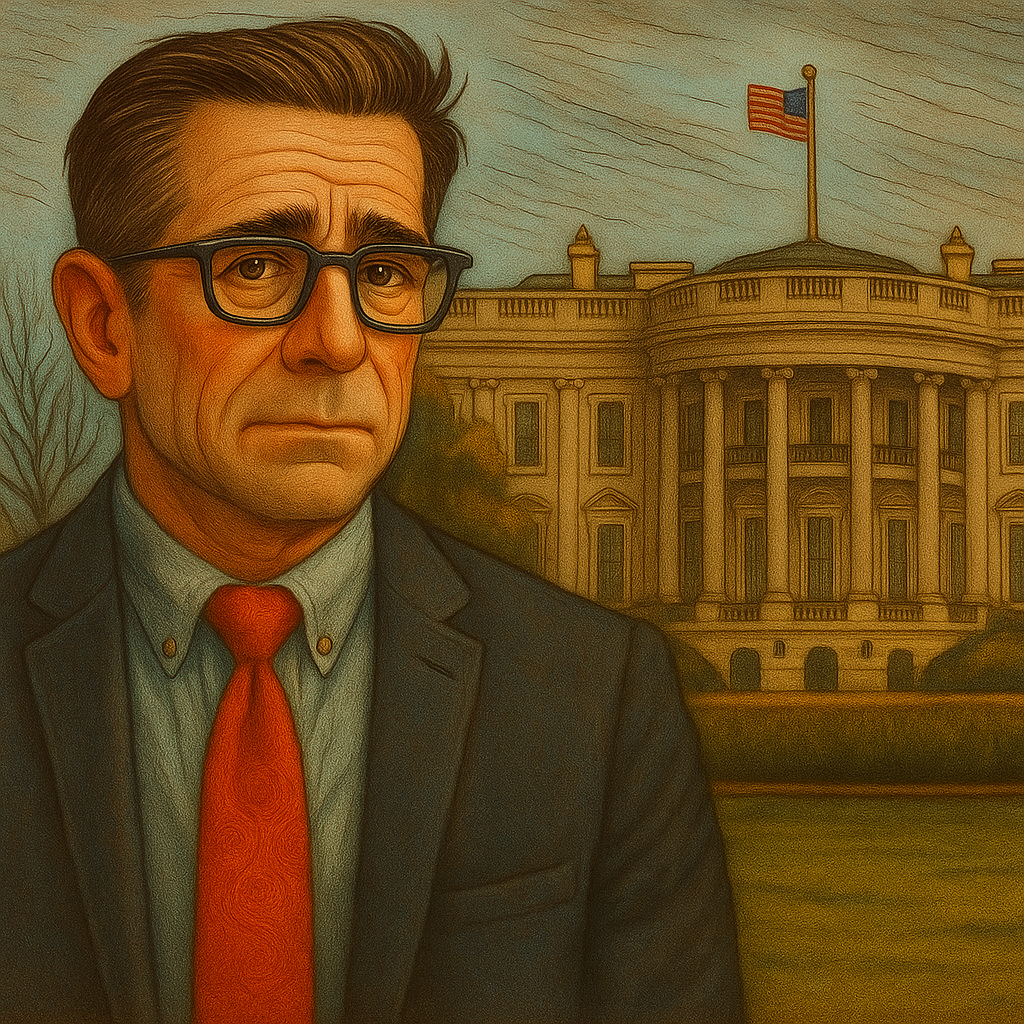 Washington spent another week without a Speaker, and the void began to take on gravity. After multiple failed nominations, House Republicans coalesced briefly around Ohio’s Jim Jordan, only to watch his bid collapse on the floor three separate times. Each vote deepened the spectacle: cameras trained on empty chairs, members staring at phones, and reporters counting defections like stock tickers. The paralysis was no longer a headline—it was the baseline.
Without legislative authority, the House could neither approve military aid nor pass appropriations. Staffers fielded calls from defense contractors and foreign embassies seeking clarity that no one could give. Federal agencies ran on autopilot under the continuing resolution. “The government is functioning,” one official said, “but not deciding.” The distinction captures the year’s theme: systems that still operate, yet no longer steer.
Overseas, Israel’s bombardment of Gaza intensified, killing thousands as ground forces prepared for invasion. Hospitals ran out of fuel and water. United Nations convoys stalled at the Egyptian border while diplomats haggled over inspection terms. The United States pressed for humanitarian pauses even as it accelerated shipments of munitions. Each day, the arithmetic of tragedy grew steeper—casualties, refugees, hours of electricity left. Moral clarity collided with the physics of power: America could influence everything except restraint.
Protests erupted worldwide. Crowds filled London, Paris, and New York demanding ceasefire or accountability, depending on which flag they carried. On college campuses, debates turned into disciplinary hearings. The White House walked its narrowest line in years—condemning terrorism, affirming Israel’s right to self-defense, and warning against excess all at once. The language of diplomacy, stretched thin, began to sound like silence.
Markets absorbed the chaos with their usual cynicism. Oil prices climbed but stayed below panic thresholds. Defense stocks surged. The dollar held firm, proof that global confidence depends less on U.S. politics than on the lack of alternatives. Investors no longer expect stability; they price its absence.
Domestically, the UAW strike approached its climax. Tentative progress emerged as Ford offered a record wage increase, setting a template for GM and Stellantis. Workers framed it as recovery, not gain—the restoration of ground lost over two decades of concessions. Economists called it inflationary; labor leaders called it justice. Either way, the strike had already redrawn the map of industrial bargaining. Collective action was no longer a relic but a resurgent strategy.
Weather again refused to cooperate. Torrential rain hit the Northeast while drought deepened across the Mississippi basin. Barge traffic slowed, raising transport costs for grain exports just as harvest season peaked. The link between climate and commerce grows tighter each month; it’s now possible to chart inflation by rainfall. Officials speak of “adaptation,” but the word increasingly means improvisation—reacting faster rather than preparing better.
Technology headlines returned to the familiar mix of awe and unease. A new AI model capable of generating real-time video drew immediate criticism for its potential in disinformation. Meanwhile, cybersecurity firms disclosed another breach of health-care data, affecting millions. Each revelation carries diminishing outrage. Data exposure has become a subscription fee for living in the digital economy.
At home, cultural fatigue spread like low-grade fever. Schools reported declining attendance and teacher burnout. Libraries continued to face book challenges, now coordinated through national networks. Yet participation in local elections and volunteer programs quietly rose, suggesting that civic exhaustion can coexist with stubborn engagement. The country may be tired, but it hasn’t checked out entirely.
In the background, the presidential race churned along. Polls showed near-static numbers despite indictments, debates, and policy rollouts. Voters describe their choices less in terms of belief than endurance—who they can tolerate rather than who they trust. Democracy remains functional, but faith in its outputs has thinned to habit.
By Friday, House Republicans abandoned Jordan’s candidacy and opened nominations anew, a bureaucratic reboot that fooled no one. The week closed as it began: an empty gavel, a distant war, and an electorate watching both with grim familiarity. The term “unprecedented” has lost its value; this is precedent now.
Across the country, life went on with that peculiar mix of alarm and routine. Freight moved, schools reopened after floods, paychecks arrived, and groceries cost a little more. The United States remains a functioning contradiction—a nation governed by inertia yet powered by effort. Ordinary competence still bridges the gaps elite dysfunction leaves open.
The vacuum in Washington will not last forever; nature, politics, and markets all abhor it. But the pattern is clear. Every collapse of leadership becomes an opening for improvisation. The machinery of democracy endures not because it works smoothly, but because people keep working anyway. The system may stall, but the country does not.