Weekly Dispatch
Week of February 21-27, 2021
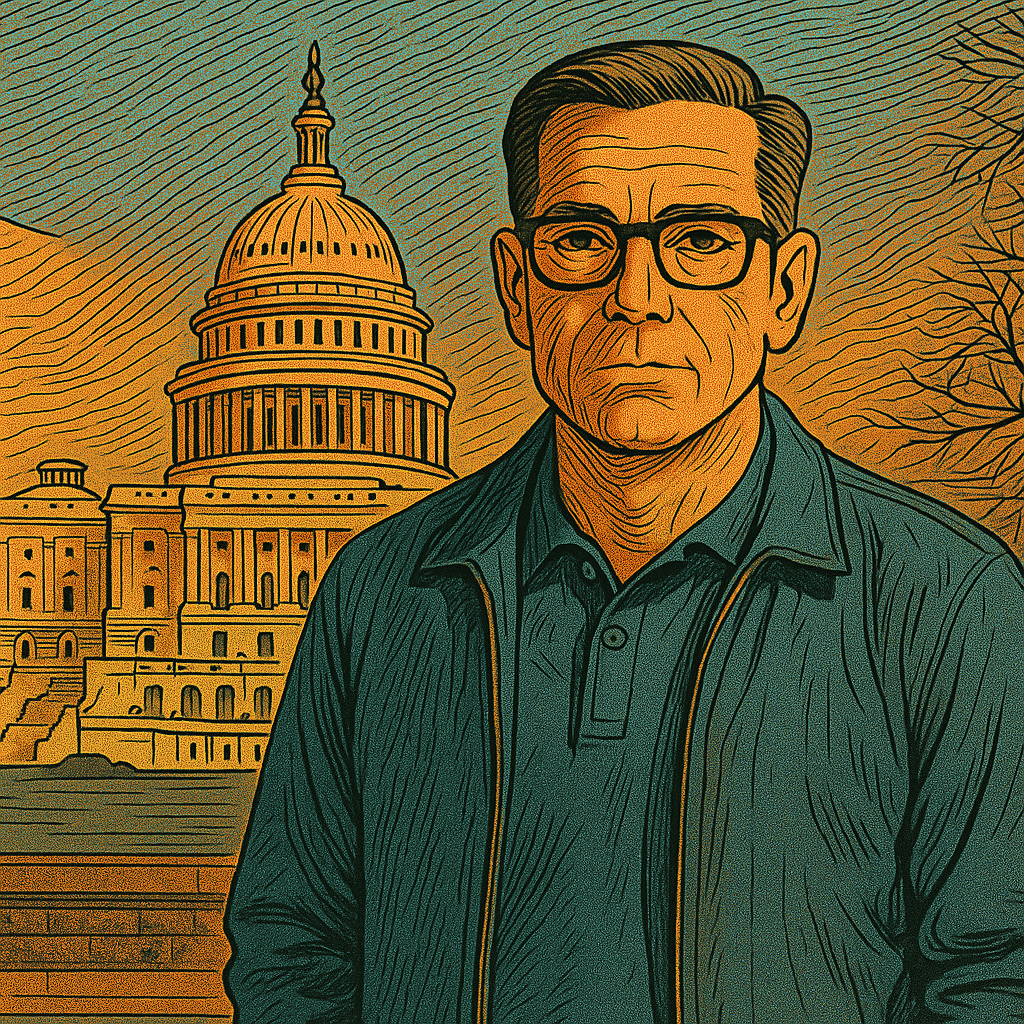 The final week of February opened with the Capitol again under examination. On Tuesday, Senate committees convened the first public hearings into the January 6 assault. Former U.S. Capitol Police Chief Steven Sund, House Sergeant-at-Arms Paul Irving, and Senate Sergeant-at-Arms Michael Stenger testified about the security failures that allowed rioters to breach the building. Their accounts revealed lapses in intelligence sharing, delayed requests for National Guard assistance, and confusion in command that left officers without direction at critical moments.
Lawmakers pressed for clarity on the timeline of warnings. Sund stated that the FBI had issued a field report the day before the attack, flagging potential violence, but that it had not been widely circulated. The testimony underscored how fragmented communication among agencies contributed to the delayed response. Acting Metropolitan Police Chief Robert Contee described pleas for backup that went unanswered for more than an hour. Senators from both parties expressed frustration that the command structure had proven so rigid in crisis.
The hearing drew on hours of recorded radio traffic, internal emails, and timeline analyses compiled by the Architect of the Capitol. Several senators highlighted that National Guard troops had been staged but not authorized to move, caught in the chain-of-command delays that compounded the crisis. DHS and FBI officials were scheduled for follow-up testimony the following week to address why intelligence bulletins failed to reach decision-makers. Though partisan tones remained muted, the hearings exposed how structural complacency had amplified vulnerability.
While the committees sought answers, the administration focused on vaccination logistics. On Wednesday, President Biden announced that the United States was on track to secure enough vaccine supply for every adult by the end of July. The pledge, based on new contracts with Pfizer and Moderna, marked a shift from scarcity to planning. Federal distribution through FEMA-run sites expanded, and the Defense Production Act was invoked to accelerate manufacturing of specialized syringes and cold-storage equipment.
At the same briefing, the White House COVID-19 Response Team detailed progress on vaccine equity initiatives, including mobile units for rural areas, partnerships with community health centers, and direct allocation programs for pharmacies. CDC Director Rochelle Walensky emphasized the continued importance of masking and distancing as the B.1.1.7 variant spread across several states. Public-health briefings had returned to data and charts rather than political drama, signaling a partial return to procedural normalcy.
By midweek, Congress pivoted back to legislation. The House Budget Committee finalized the $1.9 trillion American Rescue Plan, consolidating provisions for stimulus checks, unemployment extensions, and funding for vaccine distribution. Debate centered on the inclusion of a $15 federal minimum wage, a measure later ruled ineligible under Senate budget reconciliation rules. Economists testified before the Joint Economic Committee that the scale of the package matched the depth of the recession. The framing was pragmatic: speed over purity, action over symbolism.
On Friday, the House passed the bill along party lines, 219 to 212, sending it to the Senate for consideration in early March. The vote capped a month of negotiation that had balanced urgency with parliamentary limits. Speaker Nancy Pelosi called the legislation “a lifeline to the American people,” while Republicans criticized its size and scope. Behind the rhetoric, the practical machinery of government was again moving—hearings held, reports filed, votes recorded.
The Department of Education issued new guidelines for reopening schools safely, emphasizing ventilation, testing cadence, and teacher vaccination access. The Department of Labor extended pandemic unemployment programs through the spring. The Pentagon reviewed its security posture around the Capitol, planning a gradual reduction of National Guard presence by mid-March. These agency updates, procedural and methodical, formed a contrast to the emergencies that had defined the previous month. The narrative of governance had shifted from survival to management.
For the press corps, the week marked a return to familiar rhythms: scheduled briefings, predictable updates, and policy questions rather than crisis management. Reporters again parsed legislation and agency memos instead of tracking flashpoints. Where chaos had defined the first weeks of the year, February ended in relative stability. The work was not finished, but it had resumed.
For Washington, the final week of February represented transition—not a declaration of recovery but a restoration of motion. Hearings revealed accountability still in progress, vaccination planning offered measurable hope, and major legislation advanced under debate rather than duress. The capital’s temperature, political and literal, had steadied. After weeks of disruption, the government was again functioning in public view, its slow, deliberate rhythm returning as a sign of democratic endurance.