Weekly Dispatch
Week of November 14 – 20, 2021
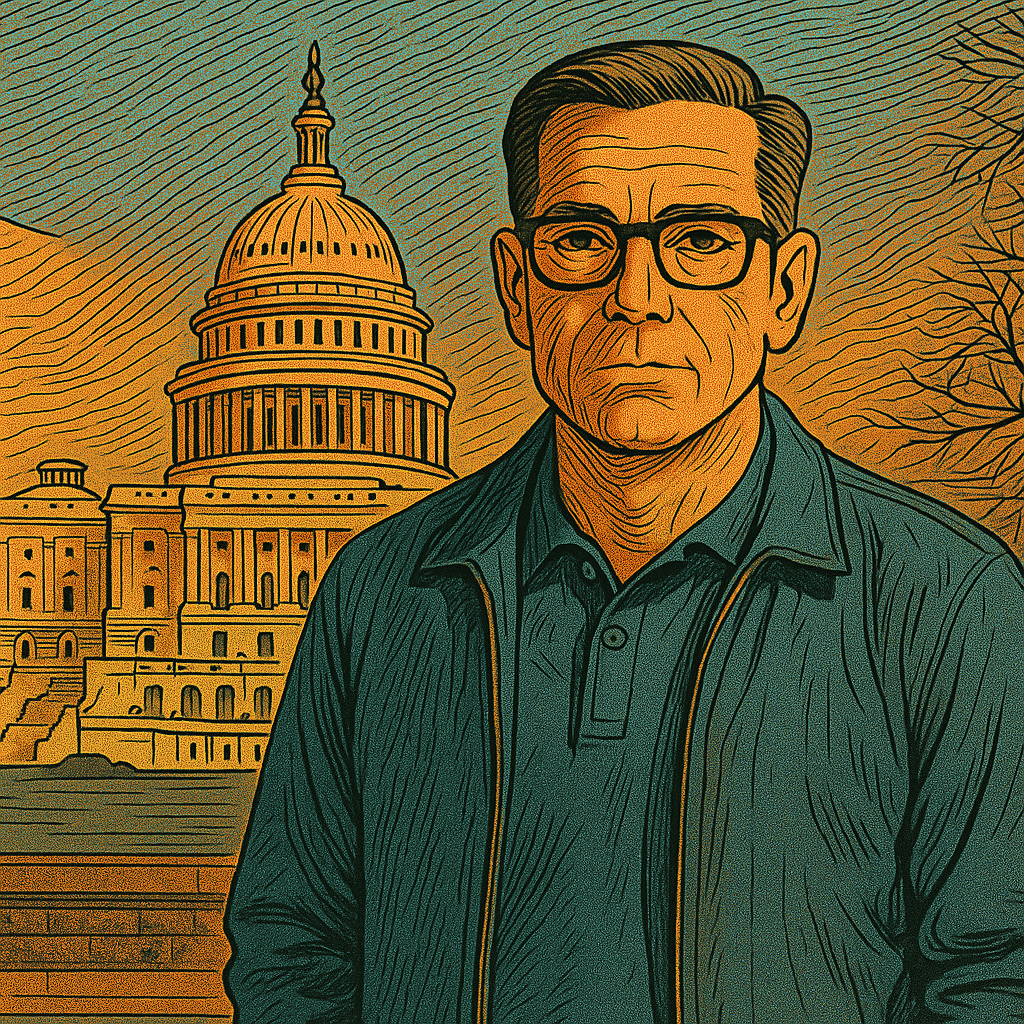 Monday began with signatures and staging. On November 15, the President signed the $1.2 trillion infrastructure bill on the South Lawn, a ribbon-cutting before the ribbons exist. Agencies published first-step memos for ports, broadband, lead pipes, and EV charging; governors turned press conferences into project lists. The larger social-spending bill remained stuck in sequence—House text first, Senate edits later—an agenda divided between what could be shown and what could be promised.
By Friday night, the House voted to pass the social-spending package after a day of speeches that doubled as 2022 advertisements. The price tag shrank to meet arithmetic; the contents blurred to meet coalition. Supporters called it a long-delayed investment in children, climate, and care. Critics called it inflationary at the checkout aisle and confusing in the footnotes. The Senate’s “parliamentarian stage” loomed, where verbs and provisions go to be resized.
Courts and juries supplied the week’s sharper edges. On November 19, a Wisconsin jury acquitted Kyle Rittenhouse on all counts for the shootings during protests in Kenosha the previous summer. The verdict split interpretation into familiar lanes: self-defense defined narrowly by seconds of footage versus a broader civic frame about guns, provocation, and who gets to claim fear. Streets stayed mostly quiet; feeds did not. For many, the case felt less like closure than calibration—what future encounters the law will now permit and what norms it will ignore.
Pandemic policy arrived in versions. The FDA and CDC authorized boosters for all adults on November 19, simplifying a patchwork into a single rule: six months after mRNA vaccination or two months after Johnson & Johnson, any adult could get a booster. Pharmacies translated guidance into appointments by Saturday morning. Abroad, Austria announced a nationwide lockdown and a forthcoming vaccine mandate for 2022, the harshest measures in Western Europe since the first wave. The message was uneven but legible: policy had moved from persuasion to enforcement where hospitals demanded it.
Economics returned to the felt facts of price and pay. Retailers pulled holiday promotions earlier and leaned on “guaranteed delivery” more than discounts. Ports at Los Angeles and Long Beach extended gate hours, but backlogs persisted as chassis and warehouse capacity set the true ceiling. The October retail sales report showed consumers still spending through the friction; sentiment surveys showed they despised the experience. The economy had become a queue—long, irritating, and still moving.
Abroad, borders and buildups framed the headlines. Along the Belarus–Poland frontier, thousands of migrants were moved from a freezing forest to a logistics center as Minsk adjusted tactics under EU pressure; the humanitarian crisis persisted with new optics. In Eastern Europe, U.S. officials warned that Russia was massing troops near Ukraine’s border, reviving a map that diplomacy never quite erases. Kyiv emphasized readiness, Moscow denounced alarmism, and NATO ministers spoke of “serious consequences” in the conditional tense.
Technology companies met regulators in a more crowded hallway. The Facebook Papers continued to feed incremental stories about internal research and external harm; lawmakers previewed competing frameworks for children’s privacy and platform accountability. Elsewhere in Washington, the federal vaccine-or-test mandate for large employers remained stayed by courts, sending the rule into a jurisdictional maze that employers navigated by drafting policies they might never need to enforce.
The culture pages converged with the docket. Civil suits from the Astroworld crowd surge grew in number and scope, naming promoters, security contractors, and artists in overlapping rings of responsibility. In Georgia, the trial of the three men charged with killing Ahmaud Arbery moved toward jury deliberations, another test of how video evidence and community memory contest the meaning of threat.
By Saturday, the week felt like a ledger of conclusions that ended with commas. An infrastructure bill became a law without becoming a bridge; a social-spending text became a vote without becoming a statute; a high-profile trial became a verdict without becoming agreement. Booster guidance simplified even as European lockdowns complicated the winter. Abroad, a border crisis changed buildings, not stakes; a troop buildup changed sentences, not lines. The United States moved forward on paper, sideways in argument, and—when measured in deliveries, doses, and decisions—inch by inch in practice.