Weekly Dispatch
Week of December 18 – 24, 2022
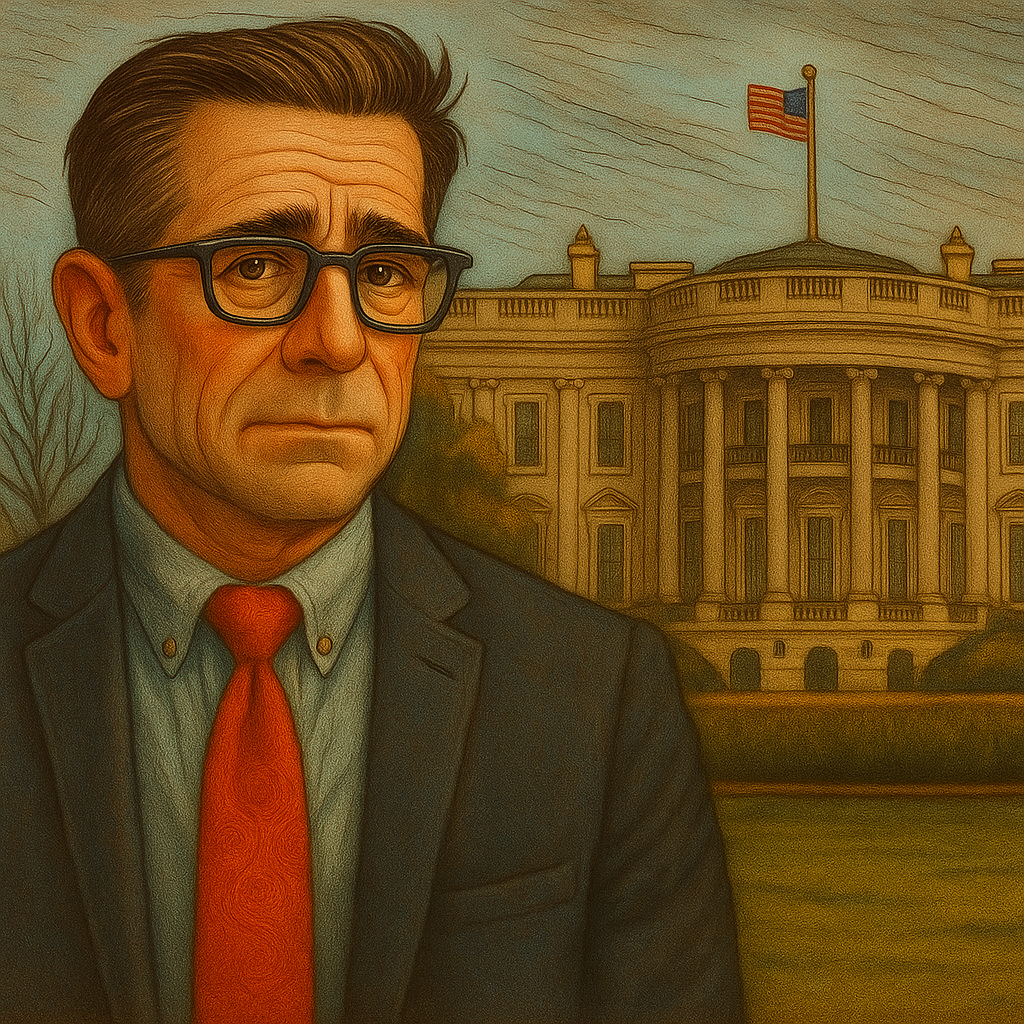 War and weather shared the headline. A continental winter storm ripped across the United States late in the week—blizzard conditions from the Plains to the Great Lakes, deep freezes to the Gulf, winds that snapped power lines like wire. Airlines canceled thousands of flights; grids shed load; highways closed. In Buffalo, whiteout became geography. Survival looked like logistics again: crews, salt, diesel, and time.
Across the Atlantic, logistics defined politics. On Wednesday, Volodymyr Zelensky made his first trip outside Ukraine since the invasion, arriving in Washington to meet President Biden and address a joint session of Congress. The visit came with a pledge of a Patriot air-defense battery, more artillery, and fresh aid. Zelensky framed the war as defense of the rules that let small nations exist; lawmakers stood often and together, a rare geometry. Moscow answered with more missiles, and a speech about “inevitable success” that sounded less like prophecy than habit.
The week began with new EU energy policy: ministers approved a gas price cap mechanism designed to kick in when benchmarks spike, hedged by safeguards to keep supply flowing. Traders called it “conditional relief.” In the background, Russia’s strikes on Ukraine’s grid continued, while Belarus hosted joint drills and Vladimir Putin visited Minsk, a gesture read as pressure on Lukashenko more than preparation for a northern front.
Diplomacy closed loops elsewhere. In Montreal, delegates at COP15 reached the “30×30” biodiversity accord, committing to protect 30 percent of land and oceans by 2030 and to channel more funding toward conservation. The text left plenty to wrangle—measurement, money, and the word “indigenous” in practice—but it supplied an answer to a question that climate talks cannot finish alone: what survives while we heat.
Back in Washington, another committee finished its arc. The January 6th House panel voted to refer former President Donald Trump to the Justice Department for potential criminal charges, the first such referral for a former president. The recommendation carries no legal force, but it reset a narrative: electoral myth as prosecutorial file. Days later, Congress moved toward passing a $1.7 trillion omnibus to fund the government through September, including support for Ukraine and measures on election administration and TikTok on federal devices.
Markets measured trust in spreadsheets and custody. Sam Bankman-Fried was extradited to the United States midweek, while Caroline Ellison and Gary Wang pleaded guilty and agreed to cooperate with prosecutors. Regulators warned of more charges to come; auditors kept finding less than expected. The broader message: crypto’s accounting now happens in courtrooms. Binance answered rumors about reserves with statements, then with withdrawals, then with more statements. Liquidity is a belief until it isn’t.
In Japan, a strategic redefinition arrived on paper. Tokyo approved a new National Security Strategy that lifts defense spending toward 2 percent of GDP and acquires counterstrike capability against missile sites. The shift, framed as deterrence against North Korea and a hedge against China, ended decades of political taboo. The Pacific’s balance added mass, not movement—yet.
China’s COVID surge accelerated under loosened rules. Pharmacies emptied, hospitals overflowed, and official dashboards lagged reality. Crematoria reported extended hours; provinces dropped testing lines to keep traffic flowing. The state promised vaccines and rural clinics before Lunar New Year. Economics translated the wave into supply risk; families translated it into phone calls that went unanswered longer than usual.
The United Kingdom entered a season of strikes: nurses, paramedics, postal workers, rail staff. The disputes differed, the math did not—wages behind prices, services stretched thin. Ministers warned of budgets; unions listed bills. The once-in-a-generation label, applied too often, fit for once.
Sport closed its loudest chapter. On Sunday, Argentina won the World Cup in a final that turned probability into theater, beating France on penalties after a 3–3 extra-time spiral. Lionel Messi lifted the trophy; a billion screens agreed the spectacle had earned every adjective. Off the field, the tournament’s politics—labor, expression, surveillance—remained unsolved. But for two hours, the ball wrote a cleaner story than most institutions managed all year.
In Peru, protests over Pedro Castillo’s ouster continued, with blockades, clashes, and a rising death toll. President Dina Boluarte proposed moving elections forward; the streets proposed faster. In Iran, executions and arrests persisted as demonstrations adapted to risk—smaller, faster, harder to film. The regime kept control; it kept losing faces.
Europe’s courts and parliaments had their own reckonings. The European Parliament corruption probe widened after cash-stuffed bags were seized in Brussels; members were suspended from duties pending investigation. In Germany, the government signaled it would cap electricity prices for industry, another reminder that the continent’s crisis is as much about manufacturing as heating.
By Saturday night, the week read like a ledger of thresholds: a wartime visit that broke a plane of distance, a biodiversity accord that set a line to hold, a committee referral that crossed from politics to law, and a winter storm that turned infrastructure into a daily referendum. Power—electrical, political, institutional—was the constant noun. Keeping it meant work measured in hours, not speeches.