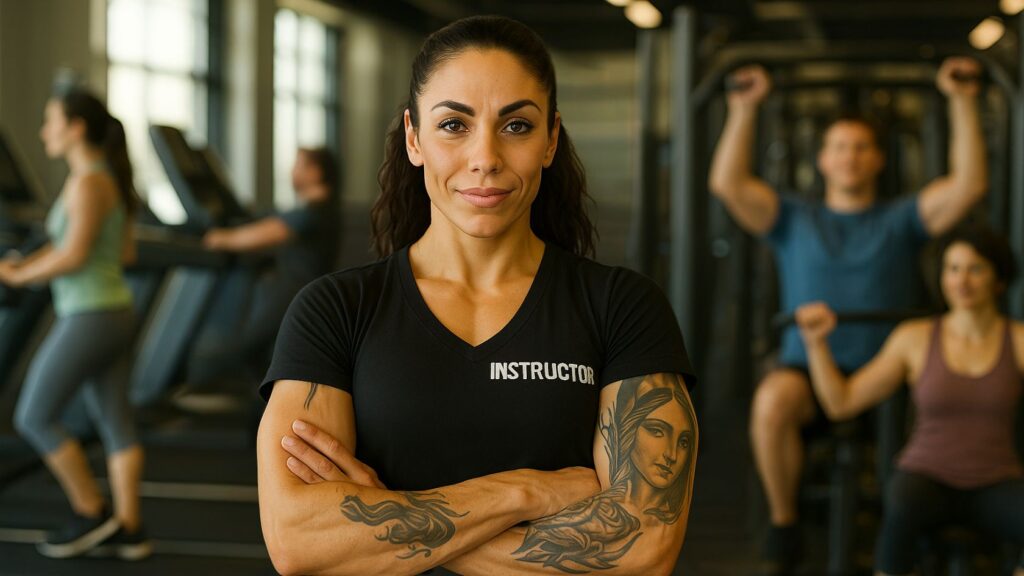
 Discipline isn’t what most people imagine. It’s not about shouting, punishing yourself, or clinging to impossible routines. It’s not about proving toughness to anyone else.
Discipline today looks like showing up, even when progress is slow. It looks like five minutes of stretching for someone who can’t yet handle a workout. It looks like a person deciding to cook one real meal instead of eating from a box. It looks like taking a walk instead of scrolling through another hour of noise.
It’s not dramatic. It’s not Instagram-worthy. But it works.
What I’ve learned is that discipline isn’t about extremes. It’s about consistency that people can actually live with. The people who succeed aren’t the ones who push the hardest for a week. They’re the ones who practice the small things until they become normal. Water over soda. Sleep instead of another episode. Boundaries instead of burnout.
Civic life is no different. We keep waiting for heroes, movements, or lightning-bolt change. But the truth is, the fate of communities turns on the same ordinary discipline as personal health. Showing up to meetings. Checking in on neighbors. Voting in every election, not just the ones that get national headlines. Keeping institutions honest by paying attention, even when it’s boring.
The breakdowns we’ve lived through didn’t come from a single villain or one big failure. They came from years of neglect—people deciding they were too tired, too distracted, too hopeless to keep showing up. And I get it. Life is exhausting. But that’s exactly why discipline has to be redefined. It has to fit into the lives people actually live, or it doesn’t work.
When I train a client now, I don’t demand intensity. I demand honesty. Where are you today? What can you realistically commit to? What will you actually do when no one is watching? That’s discipline—not fantasy, not spectacle, but steady practice.
We need that same honesty as citizens. Where are we, really? What are the weak spots we keep ignoring? What will we actually commit to maintaining—not once, not for a season, but indefinitely?
The answers aren’t glamorous. They look like local school boards, county health budgets, power grid maintenance, steady journalism, fair courts. None of it sparks fireworks, but all of it keeps the roof from caving in.
Discipline isn’t about punishment. It’s about care. Care for the body, care for communities, care for the future. And care isn’t soft—it’s demanding. It requires showing up on days when no one thanks you, when the gains are invisible, when it feels like nothing is changing.
I used to think strength was about hardness. Now I see it’s about durability. And durability doesn’t come from breaking yourself against the wall. It comes from creating a rhythm you can sustain: work and rest, effort and recovery, presence and pause.
We are not built for extremes. We are built for persistence. And persistence is the only thing that gets us through—not the loudest voice, not the harshest demand, but the steady choice to keep going.
So when I say discipline today, I mean the discipline of sustainability. The discipline of balance. The discipline that doesn’t burn out in a blaze but endures for decades.
That’s the kind of discipline our communities need now. Not showy, not theatrical, not rooted in nostalgia or slogans. Just steady, consistent, human work.
It doesn’t make headlines. But it makes survival possible. And in the end, that’s what matters.