 It’s five years past the original pandemic — millions dead, trillions burned. Yet here we are, less prepared than we pretended to be.
Federal pandemic coordination? Gone. The office created to handle it has been gutted. Surveillance for bird flu and measles is withering. Public health agencies are losing staff and funding at the very moment new animal-to-human spillovers are flashing warnings. H5N1 isn’t just a whisper in science journals anymore — it’s spreading across states and species.
Reports on preparedness paint the same picture: failing grades in state after state. Labs thin, public health workers exhausted or leaving the field, funding streams drying up. The agencies that held the line in 2020 are being dismantled under the banner of “reform.” What’s left is brittle.
The tools that mattered — testing, tracing, rapid communication — have been left to rust. The scientists who built the response left, and trust went with them. In their place, slogans and politics stand ready to take the microphone while the system creaks under pressure.
If a pandemic on the scale of COVID-19 hit again tomorrow, the script would repeat with fewer defenses:
- First week: chaos, shortages, conflicting orders.
- Second week: supply chains snap, hospitals overloaded, finger-pointing begins.
- Third week: politics takes over. Governors posture, the federal government scrambles, and the public loses confidence.
- By the second month: the virus runs faster than the bureaucracy can move.
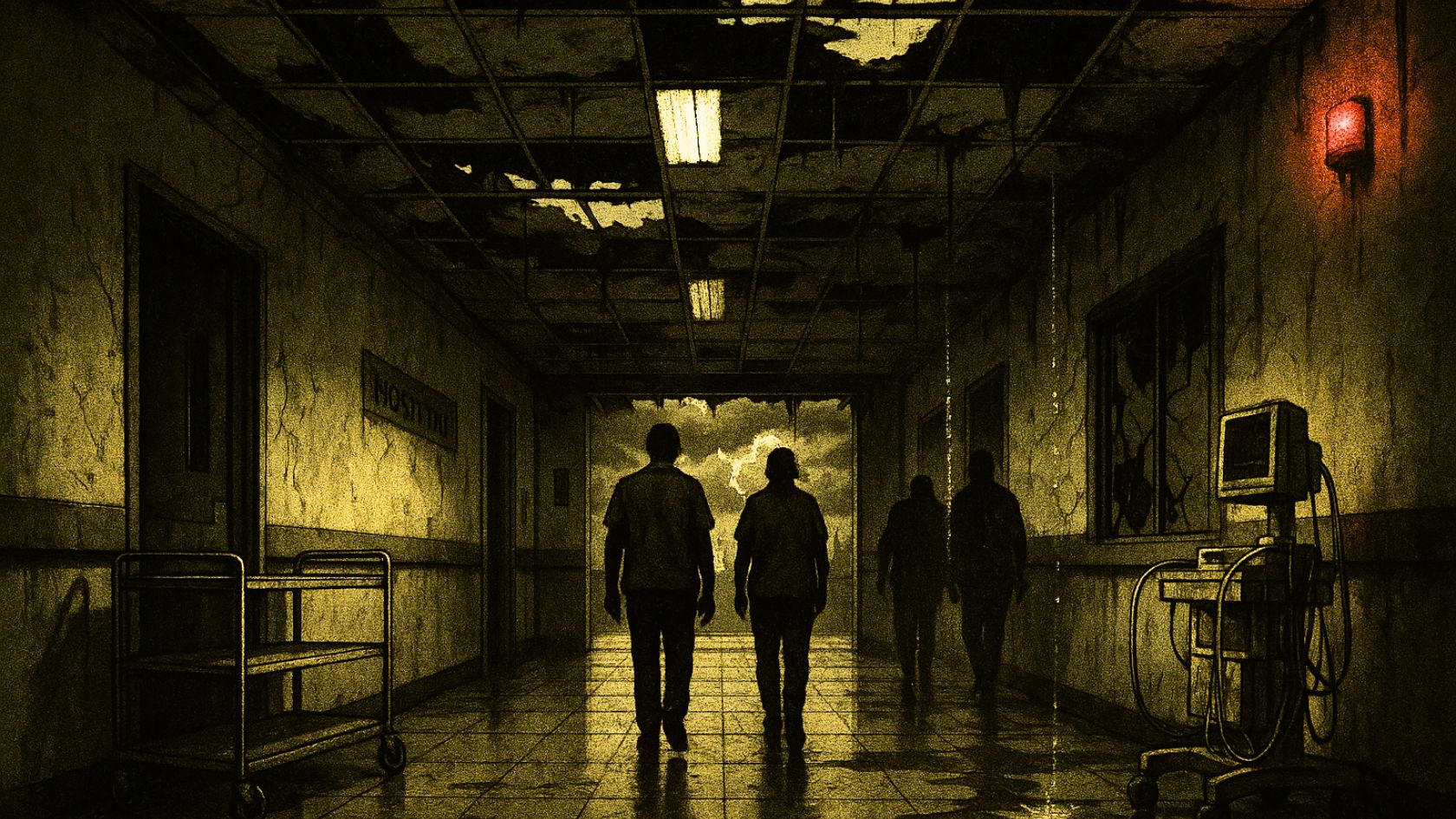
We tore down the roof while the sky was still dark with storms. What remains is a frame that won’t hold under pressure. The next outbreak won’t just test our resilience. It will expose how deliberately we chose fragility.
Families won’t care whether it was ideology, negligence, or politics that left them unprotected. They’ll care that the system collapsed again, by design.