 The gallery stays closed on Sundays and Mondays. I tell visitors it’s for “maintenance,” which is true in its way, though the work usually shifts from walls to boxes. This week it meant loading the last of the framed pieces and books into the back of a rented truck. Michael had arrived from Grand Junction the night before with two of his friends—one works at a climbing shop, the other with the Forest Service. They treated the move like a weekend project: clear steps, no sentiment, and a shared playlist that lasted most of the day.
The new house sits in Crestview, only a few minutes west of town. The lots there are level and quiet, shaded by old cottonwoods that have learned how to hold their color late into October. The house itself is newer than the one near downtown, with wide windows and a split plan that lets two lives run parallel without distance. It will suit us.
We started just after nine and kept going until mid-afternoon. What looked manageable on paper filled two trips: one for the gallery’s overflow and one for the rest of the household boxes. Each load had the same rhythm—lift, steady, carry, stack. Inside, the rooms still smelled of new paint and detergent. Michael worked with an economy that reminded me of his grandfather: deliberate, unsentimental, always two steps ahead of me. His friends carried in a futon, a bike stand, a box labeled audio, and another marked books, heavy.
By noon the house was half arranged, though none of it felt settled yet. I took them to lunch on Main Avenue, a corner café near College Drive. The conversation drifted through small talk—snow forecasts, traffic patterns, the best burrito in town. Tourists still walked the sidewalks, but the pulse was slower now. The shoulder season changes the sound of the place: footsteps softer, voices lower, engines fewer. When we stepped outside, a faint line of yellow showed in the hills above Junction Creek.
We returned to finish what we had started. The second truckload was lighter—linens, lamps, the odd kitchen drawer of things that never seem to fit anywhere. The last piece was a small table, its surface scarred by years of gallery work. We set it in the shared dining room, a neutral space between our halves of the house. Separate but connected.
By late afternoon, the friends left with a quick wave and a promise to stop by once the snow returned. The quiet that followed felt like exhalation. Michael started sorting cables and tools in his room; I unpacked glasses and checked which outlets worked. There’s a certain order that comes from moving—what matters, what doesn’t, what you notice when everything is bare.
Around dusk, I found him in the kitchen unwrapping plates. The light through the window had gone soft, a pale orange that made the countertops glow.
“Which side do you want for the mugs?” he asked.
“Whichever one you’ll actually use,” I said.
He smiled, nodded, and chose the left. It was a small decision, but the sound of dishes settling into place felt like belonging.
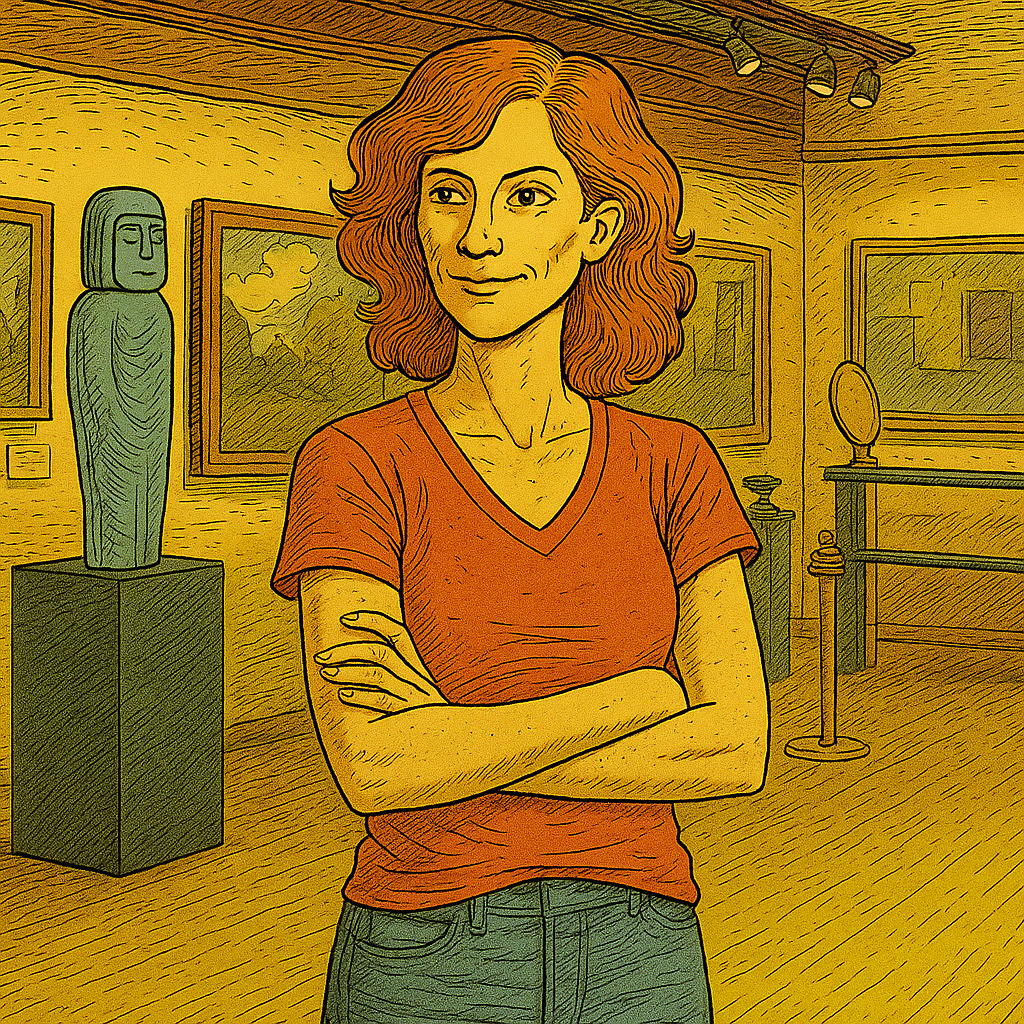
Later, I drove back to the gallery. The sign in the window read Closed Monday. The street was almost empty, the last sunlight turning the storefronts amber. I didn’t turn on the lights. Instead, I walked through the quiet rooms, noting what would need rehanging and what would come home. Outside, a chill settled across the pavement. The season had changed, not with ceremony but with movement—just the small, necessary work of carrying things from one place to another until they belong.