Background
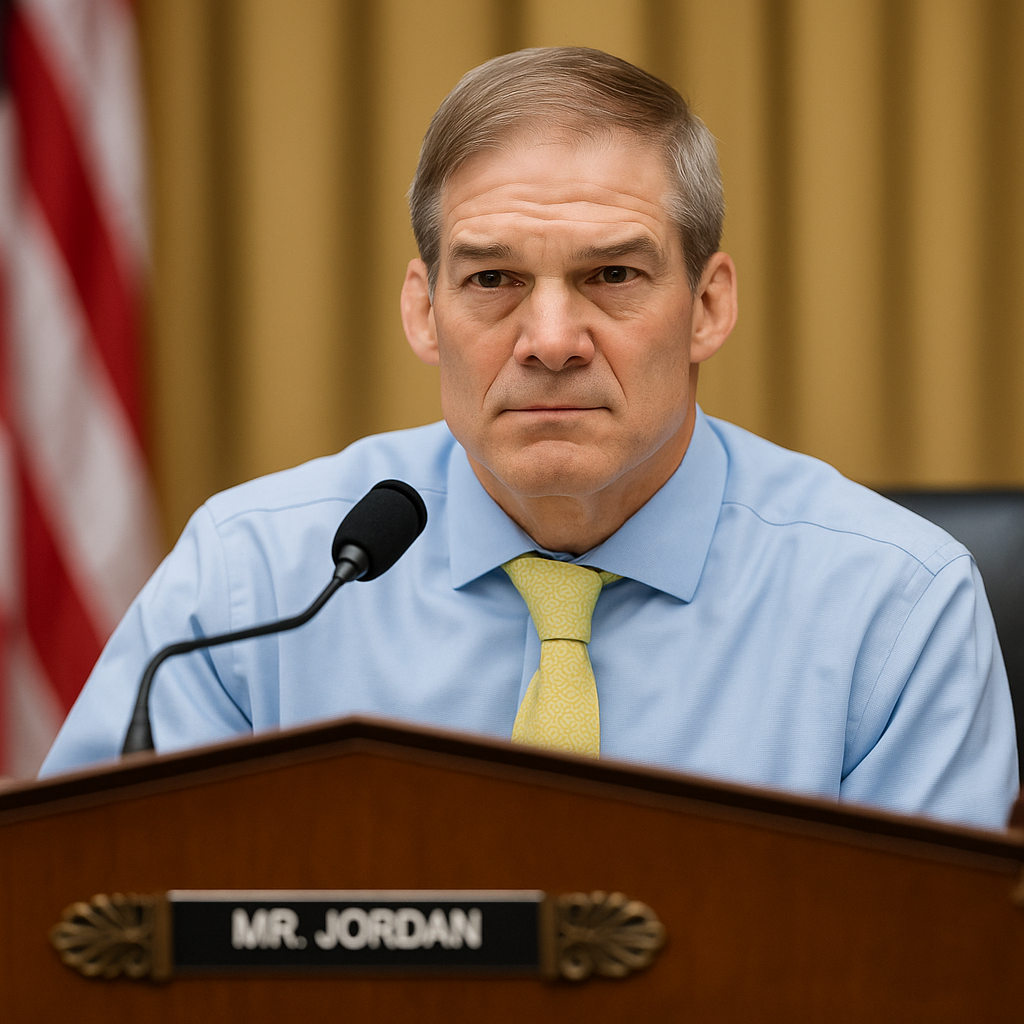 James Daniel Jordan was born on February 17, 1964, in Troy, Ohio, to Shirley and John Jordan. Raised in Champaign County, Ohio, he grew up in a rural setting that shaped his conservative values. At Graham High School, Jordan excelled in wrestling, achieving a record of 150-1 and winning four state championships from 1979 to 1982. His athletic prowess earned him recognition as one of Ohio’s top high school wrestlers (National Wrestling Hall of Fame).
Jordan continued his wrestling career at the University of Wisconsin–Madison, where he competed from 1982 to 1986. He won NCAA Division I championships in 1985 and 1986 at the 134-pound weight class, defeating future Olympic champion John Smith in the 1985 finals. His college record was 156-28-1, and he was voted “Most Dedicated” by teammates each year. He graduated with a Bachelor’s degree in Economics in 1986. Later, he earned a Master’s degree in Education from Ohio State University and a Juris Doctor from Capital University Law School in 2001, though he did not take the bar exam and never practiced law (Wisconsin Wrestling Hall of Fame).
From 1986 to 1994, Jordan served as an assistant wrestling coach at Ohio State University, a period later marred by allegations of ignoring sexual abuse by team doctor Richard Strauss, detailed in the Controversies section. His wrestling background instilled discipline and competitiveness, traits he carried into his political career. Jordan married Polly Jordan in 1985, whom he met through her brothers in sports. They have four children and two grandchildren and reside near Urbana, Ohio (Wikipedia).
Jordan’s early life and athletic achievements shaped his public persona as a tenacious and principled conservative. His transition to politics began in the Ohio legislature, where he built a reputation as a fiscal conservative before entering national politics.
Key Points
Jim Jordan is a leading figure in the Republican Party, known for his staunch conservatism and influential roles in Congress. Key aspects of his career include:
- House Freedom Caucus Leadership: Jordan co-founded the House Freedom Caucus in 2015, serving as its first chair until 2017 and vice chair since. The caucus has been a driving force in pushing Republican policies rightward (Wikipedia).
- House Judiciary Committee Chair: Since 2023, Jordan has chaired the House Judiciary Committee, overseeing critical issues like judicial oversight and law enforcement policies (House Judiciary Committee).
- Fiscal Conservatism: Jordan consistently opposes tax increases and advocates for reduced government spending, earning awards like the Americans for Tax Reform’s Friend of the Taxpayer Award (Official Website).
- Investigative Focus: He has led high-profile investigations, including probes into alleged political bias in federal agencies, reflecting his commitment to government accountability (Official Website).
- Controversial Reputation: Allegations from his time as an Ohio State wrestling coach have sparked debate about his leadership, though he denies wrongdoing (Business Insider).
Timeline
Jim Jordan’s political career spans state and federal roles, marked by consistent electoral success and increasing influence. Below is a detailed timeline of his career:
| Period | Role | Details |
|---|---|---|
| 1994–2000 | Ohio House of Representatives, 85th District | Elected in November 1994, served three terms, focusing on fiscal conservatism and traditional values (Wikipedia). |
| 2000–2006 | Ohio Senate, 12th District | Elected in 2000 with 88% of the vote, re-elected in 2004 with 79%, received awards like Defender of Life Award (Wikipedia). |
| 2007–Present | U.S. House of Representatives, Ohio’s 4th District | Elected in 2006 with 60% of the vote, re-elected multiple times with increasing margins (Congress.gov). |
| 2011–2013 | Chair, Republican Study Committee | Led efforts to reduce federal spending, notably during the 2013 government shutdown (Britannica). |
| 2015–2017 | Chair, House Freedom Caucus | Co-founded the caucus, instrumental in ousting Speaker John Boehner in 2015 (Wikipedia). |
| 2019–2020 | Ranking Member, House Oversight Committee | Focused on government accountability and investigations (Oversight Committee). |
| 2020–2023 | Ranking Member, House Judiciary Committee | Led oversight of judicial and law enforcement issues (House Judiciary Committee). |
| 2023–Present | Chair, House Judiciary Committee | Oversees major investigations, including FBI subpoenas in 2025 (Official Website). |
Political Influence
Jim Jordan’s influence in Congress is significant, primarily through his leadership in the House Freedom Caucus, which he co-founded in 2015. The caucus, comprising conservative Republicans, has been a powerful force in shifting the party’s agenda toward limited government and social conservatism. Jordan’s tenure as its first chair from 2015 to 2017 saw the caucus pressure then-Speaker John Boehner to resign in 2015, a pivotal moment in Republican leadership dynamics. The caucus’s actions, under Jordan’s guidance, emphasized opposition to government spending and policies like the Affordable Care Act (POLITICO).
As chair of the House Judiciary Committee since 2023, Jordan has spearheaded investigations into alleged government overreach, including probes into the Biden administration’s use of federal agencies. His aggressive oversight style has earned him both support from conservatives and criticism from moderates and Democrats, with former Speaker John Boehner calling him a “legislative terrorist” for disrupting bipartisan deals (Reuters).
Jordan’s alignment with former President Donald Trump has bolstered his influence, particularly during Trump’s first term, where he defended against impeachment inquiries and challenged election-related investigations. His 2023 bid for House Speaker, though unsuccessful, highlighted his prominence, garnering Trump’s endorsement but failing to secure enough Republican votes (NBC News).
Controversies
The most prominent controversy surrounding Jim Jordan involves allegations from his time as an assistant wrestling coach at Ohio State University (1986–1994). Former wrestlers accused Jordan of knowing about sexual abuse by team doctor Richard Strauss, who abused at least 177 male students between 1978 and 1998. A 2019 independent investigation by Perkins Coie confirmed the abuse and noted that university personnel, including coaches, were aware of concerns but did not act sufficiently (Wikipedia).
Several wrestlers, including Tito Vazquez and Mike Schyck, claimed they informed Jordan of Strauss’s inappropriate behavior, such as unnecessary genital exams. Adam DiSabato testified in 2020 that Jordan called him, “crying” and “begging” not to support his brother’s whistleblower claims, alleging a cover-up (Washington Post). Jordan has consistently denied knowledge of the abuse, stating, “Congressman Jordan never saw any abuse, never heard about any abuse, and never had any abuse reported to him” (CNN). No legal findings have held Jordan accountable, and Ohio State has paid $60 million in settlements to victims (ABC News).
The allegations resurfaced during Jordan’s 2023 House Speaker bid, with former wrestlers like Dunyasha Yetts arguing he was unfit for leadership due to the scandal (The Guardian). The controversy remains a point of contention, with supporters defending Jordan’s integrity and detractors questioning his accountability.
Policy Impact
Jim Jordan’s policy impact is characterized by his conservative stance and oversight activities rather than legislative successes. He has not had any bills he sponsored signed into law, a point highlighted by critics like House Minority Leader Hakeem Jeffries during Jordan’s 2023 Speaker bid (Washington Post). However, Jordan has co-sponsored 64 bills that became law, though co-sponsorship often indicates support rather than direct involvement (Business Insider).
Jordan’s key policy positions include:
- Healthcare: He opposed the Affordable Care Act, calling it “Obamacare Lite” in 2017, and voted for its partial repeal (Wikipedia).
- Immigration: Jordan supports strict border security and enforcement, criticizing Biden’s policies like ending the “Remain in Mexico” program (Quotes.net).
- Gun Rights: A staunch defender of Second Amendment rights, he has introduced bills to protect gun ownership and received endorsements from groups like the Buckeye Firearms Association (Buckeye Firearms).
- Fiscal Policy: He advocates for lower taxes and reduced spending, stating, “The American people are tired of the out-of-control spending” (BrainyQuote).
- Social Issues: Jordan opposes abortion and same-sex marriage, sponsoring bills like the Life at Conception Act, which did not pass (BillTrack50).
His role as House Judiciary Committee chair has amplified his influence, with actions like issuing subpoenas to investigate federal agency conduct, aligning with his belief in limited government (Official Website).
Recent Developments
In 2025, Jim Jordan remains a key figure in Congress, chairing the House Judiciary Committee. On February 24, 2025, his committee issued subpoenas to the FBI, seeking documents related to allegations of the Biden administration’s weaponization of the agency against political opponents. This move aims to address perceived bureaucratic obstruction and ensure transparency in federal actions (Official Website).
In December 2024, the Select Subcommittee on the Weaponization of the Federal Government, where Jordan plays a significant role, released a 17,000-page report detailing alleged collusion between the Biden administration and Big Tech to censor Americans. The report highlights concerns about free speech and government overreach, reinforcing Jordan’s focus on accountability (Fox News).
Jordan’s ongoing efforts position him as a leading conservative voice, though his actions continue to polarize, drawing support from Trump allies and criticism from those who view his tactics as obstructive (Axios).
Key Citations
- Jim Jordan – Wikipedia
- About Jim | U.S. Congressman Jim Jordan
- Jim Jordan | Biography, Wrestling, Freedom Caucus, & January 6 | Britannica
- Hon. Jim Jordan – Federalist Society
- Home | U.S. Congressman Jim Jordan
- Jim Jordan | Congress.gov | Library of Congress
- Jim Jordan (Ohio) – Ballotpedia
- Everything We Know: Jim Jordan and the Ohio State Wrestling Scandal – Business Insider
- Rep. Jim Jordan ‘turned a blind eye’ to sex abuse allegations, says former OSU wrestler amid House speaker battle – ABC News
- Six former wrestlers say Rep. Jim Jordan knew about abusive OSU doctor | CNN Politics
- House speaker hopeful Jim Jordan has never passed a bill signed into law – The Washington Post
- Jim Jordan quietly positions himself to replace Mike Johnson in 2025 – Axios
- Newsroom | U.S. Congressman Jim Jordan
- Jim Jordan – National Wrestling Hall of Fame
- Wisconsin Wrestling Hall of Fame :: Jordon, Jim
- Jim Jordan on the Issues
- Jim Jordan Quotes – BrainyQuote
- House weaponization committee: Biden admin colluded with Big Tech, facilitated censorship of Americans | Fox News
- Freedom Caucus – Wikipedia
- 55 Things You Need to Know About Jim Jordan – POLITICO
- Jim Jordan, longtime critic of top US House Republicans, grasps at gavel | Reuters
- 5 things to know about Jim Jordan and his bid to be House speaker – NBC News
- Jim Jordan unfit for speakership, say wrestlers who allege he ignored abuse | US House of Representatives | The Guardian
- Jim Jordan accused of begging former Ohio State wrestler not to support reports of sexual abuse – The Washington Post
- Ohio: Jim Jordan & House Republicans Honor 2A Promise, Advance Key Legislation | Buckeye Firearms Association
- House Race: Jim Jordan – BillTrack50
- Jim Jordan Quotes