Weekly Dispatch
Week of February 6 – 12, 2022
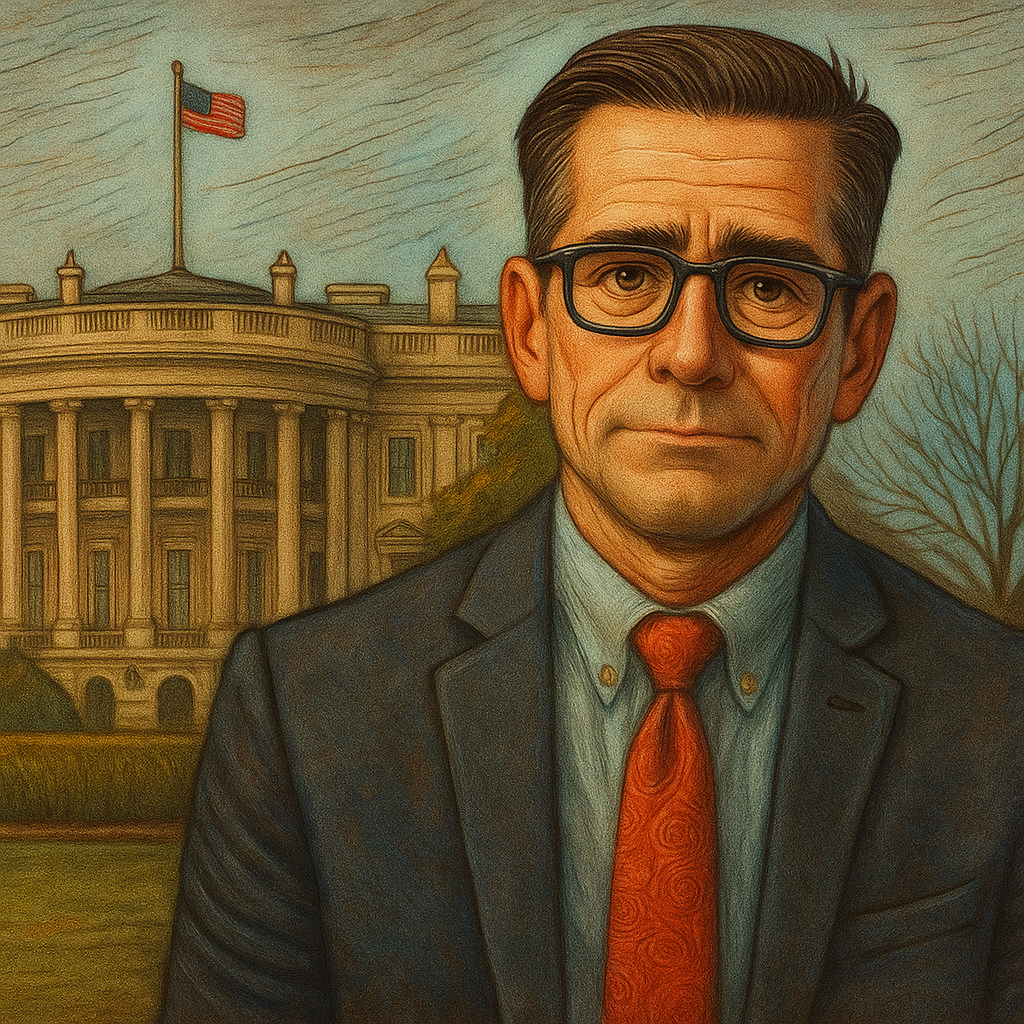 The second week of February unfolded under the same sky of warnings. Diplomats called it a narrowing window; markets called it uncertainty priced in. Both were right. Satellite imagery showed Russian forces now encircling Ukraine from three directions. The U.S. and U.K. embassies ordered non-essential staff to depart Kyiv, and security analysts began drawing not “if” arrows but “when” estimates. Officials spoke of invasion “any day,” then of “any moment,” a rhetorical descent that measured anxiety in hours.
At the Pentagon, reporters asked whether intelligence justified the tone. Spokespersons insisted the data were solid—troop numbers above 130 000, supply convoys forward-staged, medical units moving into place. Those were not training formations. Moscow called the reports hysteria; Western officials countered that denial was part of the script. A single misunderstanding, they warned, could trigger a chain reaction of mobilization.
President Biden held another call with European leaders on Friday to coordinate sanctions packages. The discussion centered on cutting Russian banks from SWIFT and restricting technology exports. Germany again hesitated over energy exposure, but by week’s end its tone hardened. Chancellor Scholz prepared for meetings in Washington and Moscow, seeking to keep diplomacy alive without conceding deterrence. The phrase “unity of message” appeared in every briefing—an acknowledgment that unity of risk was harder.
Markets followed the story line in real time. Oil reached $93 a barrel, the highest since 2014, while U.S. gasoline futures tracked the climb. Investors rotated toward defense stocks and commodities. The Nasdaq’s attempt at recovery collapsed under another inflation print—7.5 percent, a four-decade peak. Yields on two-year Treasuries spiked the most since 2009 as traders bet on a half-point rate hike in March. The Fed’s quiet period before its next meeting was anything but quiet: every public remark from regional presidents moved billions. Inflation, once treated as a temporary nuisance, had become the domestic definition of instability.
For workers, the data came with irony. Job openings exceeded available workers by nearly five million, yet real wages declined after adjusting for prices. Employers dangled signing bonuses while groceries erased them. The line between “growth” and “strain” blurred at checkout counters. Congress debated gas-tax holidays and child-credit restorations, measures that pleased pollsters more than economists. The midterm clock ticked louder.
The pandemic receded from daily headlines but remained embedded in logistics. Hospitalizations fell 25 percent from January peaks; mask mandates began disappearing in blue and red states alike. The White House prepared new guidance signaling a transition from emergency footing to management mode. The phrase “learn to live with it” gained bureaucratic endorsement. Public fatigue became policy.
In Ottawa, that fatigue took shape on the streets. The “Freedom Convoy” protests entered their third week, blocking intersections around Parliament and clogging supply routes to the U.S. Truck horns replaced slogans. Negotiations between city officials and demonstrators broke down as fringe elements hardened the standoff. The Ambassador Bridge—the busiest commercial crossing between Canada and the United States—closed for days, cutting auto-industry supply chains and prompting emergency measures in both countries. Prime Minister Trudeau faced growing criticism for inaction; by week’s end his government began drafting broader enforcement powers. The episode demonstrated how quickly digital grievances could translate into economic paralysis.
Cultural and corporate headlines mirrored the tension. Spotify announced updated misinformation policies after musician protests over pandemic content. The company promised new disclaimers and transparency reports, a case study in how platforms improvise regulation faster than governments. In Los Angeles, the Academy Awards reversed an earlier plan to forgo a host, settling on a rotating trio to revive interest. Entertainment news tried to fill the psychological vacuum left by two years of global emergency. It mostly succeeded by distraction.
Beijing’s Winter Olympics continued inside their bubble. American figure skater Nathan Chen delivered a record-setting short program; snowboarder Chloe Kim repeated as gold medalist. Behind the medals lay the quieter story of politics by absence—the diplomatic boycott, muted crowds, and daily testing rituals. State television celebrated national triumph; Western outlets noted the choreography of control. Even sport became a proxy for credibility.
Technology firms announced layoffs at the margins, citing “realignment.” Startups that thrived on stimulus discovered capital had expectations again. Venture funding slowed, IPO windows closed, and earnings calls replaced growth slogans with cost-discipline mantras. Economists began describing 2022 as the year when optimism met interest rates.
By Friday night, the State Department issued a rare weekend advisory urging all Americans to leave Ukraine immediately. Reporters confirmed satellite images showing new Russian units moving into Belarus. The next step, everyone agreed, would either be withdrawal or war. Each leader claimed they still wanted diplomacy, but none changed position. The air of inevitability felt heavy enough to count as momentum.
Through it all, the United States remained divided in tone but not in awareness. People could sense convergence—pandemic easing, inflation rising, foreign crisis tightening—all pressures pointing toward a single question: how much resilience remained. The week’s images captured it perfectly—truck lines in Ottawa, troop lines in Belarus, price lines on Wall Street—all moving under the same winter light.