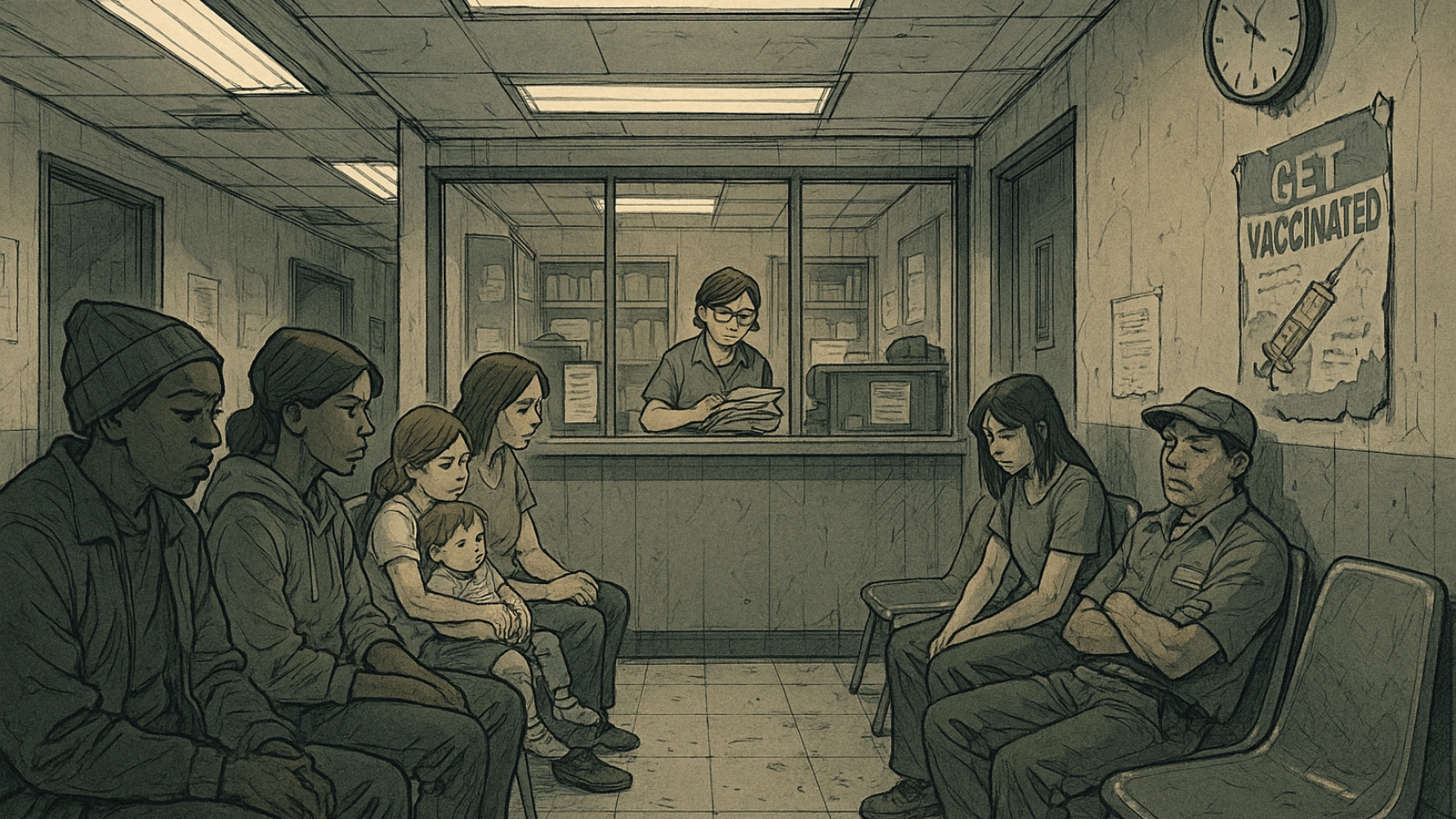
 Health care in America remains a mirror of the country itself: advanced, fractured, and deeply unequal. On paper, we possess the best of everything—world-class hospitals, cutting-edge therapies, diagnostic technology that borders on science fiction. In practice, those assets are rationed by insurance networks, employer status, geography, and the balance in your bank account.
The pandemic years stripped away any illusions that this system could absorb shock equitably. Hospitals filled, staff burned out, and families were left to fight with insurers over what should have been routine coverage. Now, with COVID receding from the top ten causes of death, the underlying structure looks less like recovery and more like reset to a familiar dysfunction. Costs continue to climb. Rural hospitals continue to close. Nurses and physicians continue to leave.
What’s striking today is not just the economics but the erosion of trust. Patients approach appointments with suspicion: Will the doctor be in-network? Will the test be covered? Will a bill arrive six months later that no one warned about? That constant uncertainty eats away at the very idea of care. People delay treatment, ration medications, or seek out unregulated alternatives, not out of preference but necessity.
The political fight over vaccines this year is another example. Instead of a clear, science-based framework, Americans are left watching federal recommendations shrink under political pressure, while states and medical groups counter with their own guidance. The result: confusion, distrust, and once again, uneven access. For someone in New Mexico or Connecticut, vaccine advice looks different than in Texas or Florida. Health care becomes geography by lottery.
Meanwhile, the workforce crisis shows no signs of easing. In community clinics, the staff turnover is relentless. In hospitals, travel nurses earn more than permanent staff, further destabilizing teams. In small towns, a closed maternity ward means driving an hour or more for prenatal care, with obvious risks. This is not an abstraction—it is daily life for millions.
To call this a “system” implies coherence, but what Americans live inside is a patchwork that functions through friction. Every appointment, every prescription, every emergency is a negotiation between what’s medically necessary and what the structure will permit. The country has normalized this arrangement. That is the most telling fact of all.
Today, in 2025, the United States can still claim medical brilliance, but it cannot claim health care justice. Until that gap closes, the advances will always be partial victories, offset by preventable harm and needless suffering. That truth has not changed since the pandemic. If anything, it has hardened into the reality everyone now accepts, even as it corrodes the idea of health itself.