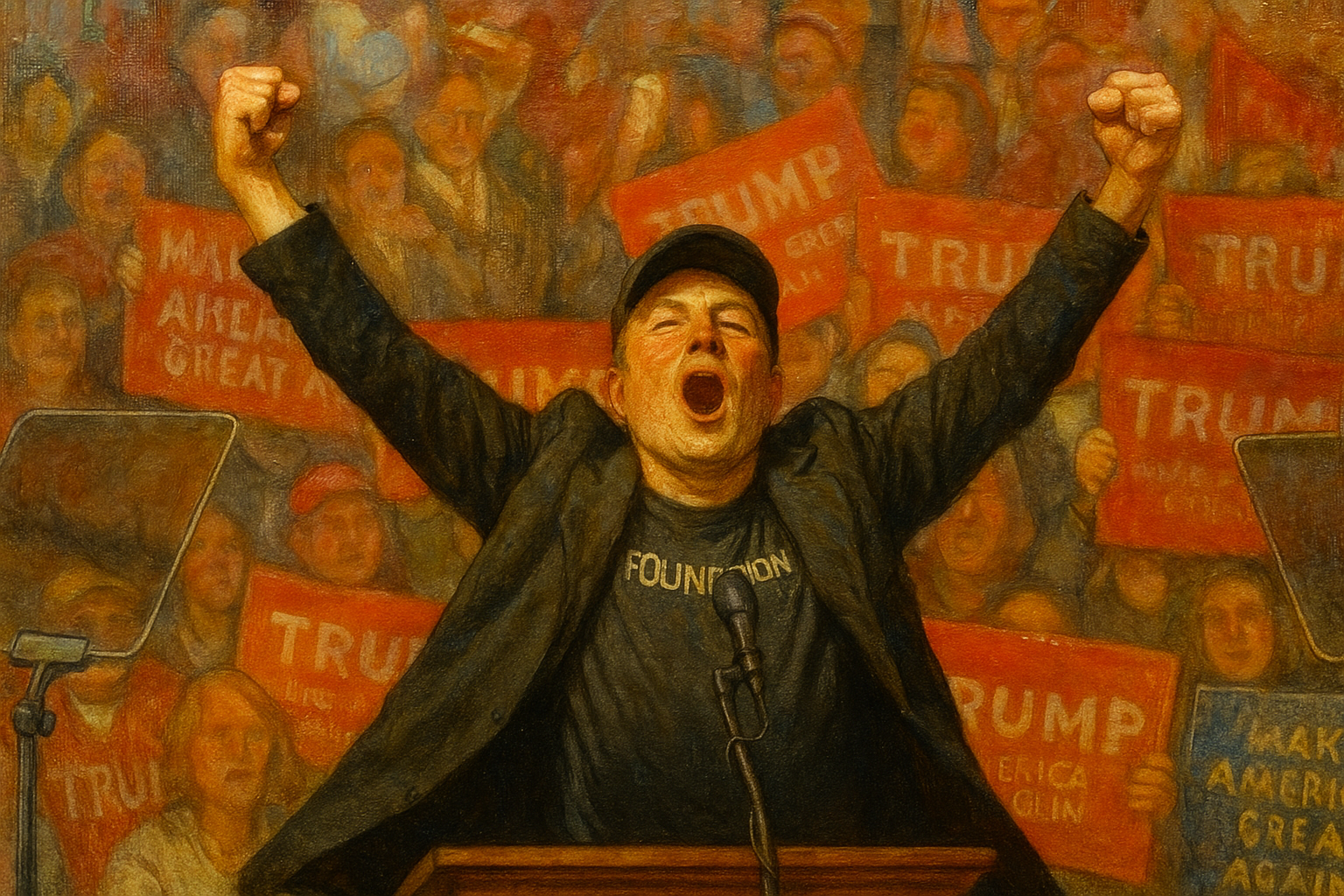
 Section 1: Early Life & Education
Elon Musk was born on June 28, 1971, in Pretoria, South Africa, into a household that embodied both privilege and complexity. His upbringing occurred against the backdrop of apartheid, a system of racial segregation that entrenched disparities in wealth and opportunity. Musk was raised within the white minority, a status that provided access to quality schools and professional networks unavailable to the majority population. At the same time, his family dynamics and South Africa’s political climate contributed to shaping his drive to leave and build a future elsewhere.
Family Background
Musk’s father, Errol Musk, worked as an engineer and entrepreneur. Media reports over the years have alternated between claims of substantial wealth and accounts of modest business success. Allegations that the family benefited from an emerald mine have been disputed; while Errol acknowledged involvement in mining ventures, both he and Elon have denied the myth of great inherited wealth. Regardless, Errol’s career exposed his son to technical matters and a mindset of problem-solving. Yet Elon has described the relationship as difficult, citing emotional and psychological strain.
Musk’s mother, Maye Musk, balanced a career in modeling with work as a dietitian. Born in Canada, she established an international presence and later relocated to North America, providing a future pathway for her son. Maye emphasized independence and discipline, qualities Musk would later attribute to his mother’s influence.
The Musk household was marked by divorce and shifting dynamics. Elon, the eldest of three siblings, often turned inward. Accounts from his youth depict him as socially withdrawn but intellectually precocious, with a voracious appetite for reading. He consumed science fiction and fantasy novels in bulk, absorbing narratives of exploration and technological possibility. These formative interests foreshadowed the ambitions that would define his career.
Education in South Africa
Musk attended Waterkloof House Preparatory School and later Pretoria Boys High School, where he was regarded as intelligent but introverted. He faced bullying severe enough to result in hospitalization after one incident, reinforcing his sense of isolation. Teachers noted his aptitude for science and mathematics, and he developed early proficiency in computing. By age 12, Musk had taught himself to program and sold a video game he created, Blastar, to a computer magazine.
South Africa in the 1980s was a country of contrasts: wealth for the white minority, repression and exclusion for the majority, and an economy under strain from sanctions. Musk’s experiences were not of deprivation but of dissonance — the privileges he enjoyed coexisted with the realities of a society built on inequality. His decision to leave South Africa as soon as possible reflected both personal aspiration and discomfort with compulsory military service, which would have required enforcing apartheid policies.
Emigration to Canada and the U.S.
At 17, Musk leveraged his mother’s Canadian citizenship to obtain a passport and relocate to North America in 1989. His first destination was Ontario, where he enrolled at Queen’s University in Kingston. The move provided both escape from South Africa’s political climate and proximity to the United States, which Musk viewed as the center of technological opportunity.
At Queen’s, Musk demonstrated ambition beyond academics. He networked actively, seeking contacts who could open doors to business opportunities. It was here he met Justine Wilson, his future first wife. After two years, he transferred to the University of Pennsylvania, where he earned degrees in physics and economics.
Penn provided Musk with a dual foundation: physics honed his understanding of complex systems, while economics gave him insight into markets and finance. He supplemented formal education with entrepreneurial experiments, including renting a house for parties to cover living expenses. Classmates described him as both intense and restless, already convinced that his destiny lay in building enterprises of scale.
Stanford and the Internet Pivot
In 1995, Musk briefly enrolled in a Ph.D. program in applied physics at Stanford University, intending to research advanced materials for energy applications. Yet his timing coincided with the dawn of the internet boom. Within two days, Musk withdrew from the program, concluding that the commercial opportunities of the web represented a once-in-a-generation moment.
This decision marked a pattern that would recur: Musk prioritized immediate, high-impact ventures over long-term academic or institutional paths. Leaving Stanford so quickly was a gamble, but one rooted in his conviction that transformative industries were emerging outside traditional academic or corporate structures.
Assessment of Early Life and Education
Musk’s formative years illustrate several themes that continued throughout his career:
- Privileged Access: Raised within South Africa’s white minority, Musk benefited from resources and opportunities denied to most, though not to the extent of vast inherited wealth.
- Intellectual Self-Reliance: His immersion in books, programming, and science fiction fostered a mindset oriented toward grand challenges and technological solutions.
- Restlessness: Moves from South Africa to Canada, then to the U.S., and from academia to entrepreneurship, reflect a refusal to accept constraints.
- Foundational Mythos: Musk’s narrative of leaving South Africa to avoid complicity with apartheid and pursue opportunity in America has become part of his personal brand, reinforcing the image of a self-made immigrant visionary.
By 1995, Musk stood at the threshold of the internet era with education, ambition, and a willingness to abandon safe paths. The next chapters — Zip2, X.com, and PayPal — would transform those assets into the capital and credibility that fueled his larger ambitions.
Section 2: Zip2, X.com, and PayPal
By the mid-1990s, Elon Musk had positioned himself in Silicon Valley at the moment when the commercial internet was beginning to capture the attention of investors and the public. Having dropped out of Stanford, he was determined to turn his technical skills and entrepreneurial drive into a viable company. His early ventures — Zip2, X.com, and PayPal — provided the financial foundation and reputation that made his later, larger bets possible. They also established recurring patterns: bold vision, clashes with colleagues, and the ability to turn initial failures or setbacks into stepping-stones toward greater ambitions.
Zip2: From Startup Struggles to First Exit
In 1995, Musk, along with his brother Kimbal Musk and investor Greg Kouri, founded Zip2, a company focused on developing online city guides for newspapers. The concept was straightforward but forward-looking: pair digital maps with business listings, reviews, and services. At a time when most media outlets were still experimenting with basic web pages, Zip2 offered a platform that enabled them to extend their reach into local commerce.
The startup operated on a shoestring. The Musk brothers reportedly lived and worked in their small Palo Alto office, sleeping on couches and showering at a local YMCA. Elon wrote much of the code himself, creating a system that could integrate maps with directories and allow for early forms of e-commerce functionality.
Zip2 gained traction by convincing traditional newspapers that an online presence was essential. Early clients included The New York Times and The Chicago Tribune. In 1996, the company attracted a $3 million investment from Mohr Davidow Ventures, which allowed expansion but also brought professional management. Musk was replaced as CEO, shifted into a technical role. The decision reflected investor doubts about his leadership experience, a pattern that would resurface in later ventures.
Despite internal tensions, Zip2 grew. In 1999, Compaq acquired the company for $307 million in cash and $34 million in stock options. Elon Musk received $22 million from the sale. For the first time, he had capital sufficient to pursue new ventures without dependence on outside investors.
X.com: A Radical Bet on Digital Finance
Flush with cash, Musk turned immediately to his next idea: revolutionizing money itself. In March 1999, he founded X.com, an online financial services company headquartered in Palo Alto. Musk envisioned a platform that could replace traditional banks, offering checking, savings, insurance, and the ability to transfer money via email.
The idea was audacious. At the time, online banking was in its infancy, and consumer trust was low. Yet Musk saw potential for the internet to disrupt financial services in the same way it was reshaping media. He invested $12 million of his own fortune into the venture, signaling personal commitment.
X.com gained early attention for its ease of transferring funds digitally, but skepticism remained. Regulatory oversight was evolving, fraud was a constant concern, and many consumers hesitated to entrust money to an online-only company. Nevertheless, Musk pressed forward, aggressively promoting X.com as the future of banking.
Confinity Merger and the Birth of PayPal
At the same time, a rival startup called Confinity, founded by Max Levchin, Peter Thiel, and others, was experimenting with security software and a payments system for handheld devices. Confinity’s focus soon narrowed to digital money transfers, branded as PayPal.
In March 2000, X.com and Confinity merged, combining resources in an increasingly competitive market. Musk became CEO of the combined company. Under his leadership, PayPal’s email-based transfer system became the core product. The service quickly gained popularity, particularly among eBay sellers who needed a fast, reliable way to transact with customers.
Musk pushed for rapid growth, favoring aggressive marketing strategies like giving $10 bonuses to new users and referral incentives. This viral approach accelerated adoption, creating a network effect that competitors struggled to match.
Leadership Conflict and Boardroom Battle
Musk’s tenure as CEO was turbulent. He advocated for using Microsoft software as the company’s foundation, while many engineers favored Unix-based systems. Disputes over technical direction, combined with Musk’s demanding style, created friction within the team.
In September 2000, while Musk was traveling, the board ousted him as CEO and installed Peter Thiel in his place. Musk remained the largest shareholder but was deeply frustrated by the move. The incident foreshadowed similar tensions in his later ventures, where his vision often clashed with investor and board expectations.
eBay Acquisition and Financial Windfall
Despite internal turmoil, PayPal thrived. Its user base grew rapidly, becoming the default payment system for eBay auctions. By 2002, PayPal was processing over $3 billion in payments annually and had more than 20 million active users.
That year, eBay acquired PayPal for $1.5 billion in stock. Musk’s stake — about 11.7% — yielded a payout of approximately $180 million. Combined with the Zip2 sale, this made him independently wealthy, capable of financing ventures that required far greater risk and capital outlay.
The PayPal Mafia and Musk’s Reputation
The PayPal acquisition produced a generation of entrepreneurs and investors dubbed the “PayPal Mafia.” Members included Peter Thiel (later co-founder of Palantir), Reid Hoffman (LinkedIn), and Max Levchin (Affirm). Musk’s inclusion in this group positioned him at the center of Silicon Valley’s next wave of innovation.
For Musk personally, PayPal was both vindication and frustration:
- Vindication because he had correctly identified digital finance as a transformative opportunity.
- Frustration because he had been removed from leadership before the company’s biggest success, reinforcing his sense that only by maintaining control could he fully realize his visions.
Assessment of Zip2, X.com, and PayPal
Musk’s first ventures established the foundations of his career:
- Capital: The PayPal sale gave him the wealth to fund SpaceX and invest heavily in Tesla, enabling high-risk bets without immediate outside dependence.
- Credibility: Being part of the PayPal Mafia cemented Musk’s reputation as a visionary entrepreneur, even if his leadership was controversial.
- Recurring Themes: His ouster as CEO reflected patterns of conflict with boards and colleagues, foreshadowing later disputes.
- Philosophy of Scale: From the start, Musk thought bigger than his peers — financial systems, not niche products — a mindset that carried forward into space, energy, and AI.
By 2002, Musk had the resources and ambition to move beyond internet startups. He was now poised to tackle the industries he had long spoken of reshaping: aerospace, automotive, and energy.
Section 3: SpaceX and the Commercialization of Space
In 2002, flush with the proceeds of PayPal’s sale, Elon Musk turned to the ambition that had animated him since childhood: space exploration. Where others saw space as the domain of governments and legacy contractors, Musk saw opportunity for private enterprise to radically reduce costs, expand access, and ultimately make life multiplanetary. His venture, Space Exploration Technologies Corp. (SpaceX), would grow from a precarious startup on the verge of collapse to the dominant force in the global launch market by the mid-2020s.
Founding and Early Vision
Musk founded SpaceX in March 2002 with the goal of developing affordable rockets capable of reusability. His stated mission — enabling humans to colonize Mars — was widely dismissed as science fiction. Industry insiders viewed him as an outsider with capital but no aerospace background, unlikely to succeed against entrenched contractors such as Boeing and Lockheed Martin.
Initial hiring focused on engineers willing to accept long hours, intense pressure, and lower pay in exchange for the chance to pursue revolutionary goals. Musk’s management style was demanding and often abrasive, but it fostered an environment of urgency and ambition.
Falcon 1: Near Collapse
SpaceX’s first rocket, the Falcon 1, represented an attempt to create a small, partially reusable launch vehicle. Between 2006 and 2008, three consecutive launch attempts failed due to technical issues. Each failure consumed resources and tested the company’s survival.
By mid-2008, SpaceX was nearly bankrupt. Musk invested his remaining personal funds, at times borrowing from friends to cover operating expenses. The fourth Falcon 1 launch in September 2008 succeeded, validating the company’s engineering approach. Days later, NASA awarded SpaceX a $1.6 billion Commercial Resupply Services (CRS) contract to deliver cargo to the International Space Station (ISS). This contract was pivotal, ensuring survival and legitimacy.
Falcon 9 and Dragon
Building on Falcon 1, SpaceX developed the Falcon 9 rocket, designed for heavier payloads and human-rated missions. The Dragon capsule complemented the rocket, capable of delivering cargo — and eventually astronauts — to orbit.
In 2010, Falcon 9 achieved its first successful flight. By 2012, a Dragon capsule became the first commercial spacecraft to deliver cargo to the ISS. In 2020, Dragon carried astronauts under NASA’s Commercial Crew Program, marking the first crewed orbital launch by a private company.
These milestones shifted perceptions. What had once been a fringe startup was now a critical partner to NASA, reducing U.S. dependence on Russian Soyuz spacecraft.
Reusability Breakthroughs
SpaceX’s most transformative achievement came with the reusability of rockets. Starting in 2015, Falcon 9 boosters began landing vertically on drone ships and landing pads. This innovation reduced launch costs dramatically, from $60–100 million per launch under traditional models to as low as $50 million with reusability factored in.
By the early 2020s, reusability was no longer an experiment but a standard practice, enabling rapid turnaround and higher launch cadence. Competitors struggled to keep pace, and government agencies increasingly turned to SpaceX as the lowest-cost provider.
Starship Development
While Falcon 9 dominated the commercial launch market, Musk pushed ahead with Starship, a fully reusable super-heavy launch system intended for missions to the Moon, Mars, and beyond. Starship consists of a massive booster (Super Heavy) and a spacecraft capable of carrying over 100 metric tons to orbit.
Development was marked by spectacular failures, with prototypes exploding during testing. Yet by 2024–2025, SpaceX had conducted multiple integrated flight tests, gradually achieving milestones such as stage separation and controlled reentry. NASA contracted SpaceX to provide a Starship variant as a lunar lander for the Artemis program, placing the company at the center of U.S. space exploration policy.
Starlink: A Global Internet Constellation
Parallel to rocket development, SpaceX launched Starlink, a satellite internet constellation designed to provide global broadband coverage. Beginning in 2019, launches rapidly accelerated. By 2025, SpaceX had deployed more than 6,000 operational satellites, with a subscriber base in the millions.
Starlink proved critical in conflict zones, particularly Ukraine after Russia’s 2022 invasion. The constellation enabled resilient communications where terrestrial infrastructure was destroyed or disrupted. This dual civilian-military role highlighted both the utility and geopolitical sensitivity of private infrastructure. Governments from Europe to Asia became reliant on a privately owned system, giving Musk unique leverage in international affairs.
Market Dominance
By 2025, SpaceX controlled an estimated 60–70% of the global commercial launch market, outcompeting both legacy contractors and new entrants. Falcon 9’s reliability and cost-effectiveness made it the default choice for commercial satellites, government payloads, and crewed missions.
SpaceX’s valuation surpassed $180 billion, making it one of the world’s most valuable private companies. Its growth was fueled not just by launches, but by Starlink’s subscription revenue, which transformed SpaceX from a project-based contractor into a recurring-revenue enterprise.
Government and Military Partnerships
SpaceX’s contracts extended beyond NASA. The U.S. Department of Defense increasingly turned to Falcon 9 and Falcon Heavy for national security launches. Starlink services were integrated into Pentagon operations, reinforcing Musk’s role as a private provider of strategic infrastructure.
This reliance raised questions about accountability: a single individual controlled assets critical to global communications and U.S. defense. Decisions such as Musk’s temporary restriction of Starlink service in Ukraine to prevent offensive drone strikes underscored the geopolitical power embedded in private hands.
Assessment of SpaceX
SpaceX represents Musk’s most significant technological and economic achievement to date.
- Disruption: By reducing launch costs and normalizing reusability, SpaceX fundamentally altered the economics of spaceflight.
- Strategic Leverage: Starlink positioned Musk as an actor in global security, blurring lines between entrepreneur and geopolitical stakeholder.
- Risks: Dependence on a private company for infrastructure raises concerns about oversight and accountability.
- Ambition: Starship embodies Musk’s long-standing goal of Mars colonization, but remains unproven at interplanetary scale.
SpaceX transformed Musk from a wealthy internet entrepreneur into a figure central to the future of aerospace and communications. By 2025, the company was no longer simply a contractor or competitor — it was the backbone of U.S. and global space activity.
Section 4: Tesla and the EV Revolution
If SpaceX defined Elon Musk’s role in space, Tesla became the vehicle — literally and figuratively — for his transformation into a household name. Founded in 2003 by engineers Martin Eberhard and Marc Tarpenning, Tesla aimed to build a fully electric car that defied the stereotype of EVs as slow and impractical. Musk, who joined as lead investor in 2004 and became chairman, rebranded the company around high performance and technological ambition. Over two decades, Tesla reshaped the auto industry, forcing legacy manufacturers to commit to electrification. Yet Tesla’s rise was marked by intense struggles over production, safety, labor relations, and Musk’s own volatile leadership.
Early Investment and the Roadster
Musk invested $6.5 million in Tesla’s first funding round in 2004, becoming chairman of the board. While not a founder, he quickly assumed outsized influence. Tesla’s first vehicle, the Roadster, launched in 2008 using a Lotus Elise chassis and lithium-ion batteries. With a 0–60 mph time under four seconds and a range exceeding 200 miles, the Roadster shattered the perception that EVs had to compromise on performance.
The Roadster was niche — fewer than 2,500 were sold — but it provided proof of concept. It attracted media attention, validated the technology, and set the stage for mass-market ambitions.
Model S and Market Breakthrough
In 2012, Tesla introduced the Model S, a luxury sedan with long range, advanced software integration, and over-the-air updates. The car received critical acclaim, winning Motor Trend’s Car of the Year and establishing Tesla as a legitimate automaker.
The Model S demonstrated the scalability of EVs, not only in range but in consumer desirability. With features like large touchscreens and semi-autonomous driving functions, Tesla cars came to be seen as status symbols for technology-forward consumers.
Expansion: Model X, Model 3, Model Y
Following the Model S, Tesla introduced the Model X SUV in 2015, notable for its falcon-wing doors but plagued by production delays. The critical turning point was the Model 3, launched in 2017 as a more affordable sedan aimed at mass adoption.
The Model 3 faced what Musk called “production hell,” as Tesla struggled to scale manufacturing. Musk famously slept on the factory floor to demonstrate commitment. Despite missed deadlines, by 2020 the Model 3 became one of the best-selling EVs worldwide.
The Model Y, a compact crossover introduced in 2020, quickly outsold the Model 3, becoming Tesla’s most popular vehicle. Together, these models positioned Tesla as the world’s leading EV manufacturer.
Gigafactories and Global Scaling
To meet demand, Tesla built massive manufacturing plants called Gigafactories. Locations include:
- Nevada: battery production.
- Shanghai: first major plant outside the U.S., producing hundreds of thousands of vehicles annually.
- Berlin: serving the European market.
- Texas: Tesla’s global headquarters and primary production hub as of 2021.
The Shanghai factory in particular enabled Tesla to tap the Chinese market, the largest for EVs, while benefiting from lower production costs. By 2024, Tesla produced about 1.8 million vehicles annually, securing dominance in the global EV sector despite growing competition from Chinese firms like BYD.
Autopilot and Full Self-Driving
Tesla pioneered Autopilot, a semi-autonomous driving system introduced in 2015. Musk repeatedly promised imminent “full self-driving” (FSD), predicting readiness within a year — timelines that consistently slipped.
Despite delays, Tesla’s FSD beta rolled out to thousands of users, sparking debate over safety and regulation. Advocates praised its potential, while critics accused Musk of overselling capabilities and endangering public safety. Regulatory agencies scrutinized crashes involving Tesla vehicles operating under Autopilot, raising questions about consumer understanding of the technology.
Energy and Solar Initiatives
Tesla’s ambitions extended beyond vehicles. In 2016, Tesla acquired SolarCity, a company co-founded by Musk’s cousins, in a $2.6 billion deal. Branded as a move to integrate sustainable energy, the acquisition drew criticism as a bailout for a struggling firm.
Tesla also developed the Powerwall and Powerpack battery systems for residential and commercial energy storage, and later the Megapack, targeting utility-scale deployment. These initiatives positioned Tesla as not only a car company but an energy company, aiming to create a vertically integrated ecosystem of generation, storage, and consumption.
Financial Struggles and Breakthrough
Tesla’s path was precarious. The company faced repeated cash crunches, with skeptics predicting bankruptcy throughout the 2010s. Musk later admitted that in 2018, during Model 3 ramp-up, Tesla came within weeks of insolvency.
By the early 2020s, however, Tesla had reversed its fortunes. Profitable quarters became consistent, stock prices soared, and Tesla’s market capitalization briefly exceeded $1 trillion in 2021 — more than the combined value of major legacy automakers. While the valuation later fluctuated, Tesla remained among the most valuable car companies globally.
Labor, Safety, and Regulatory Issues
Tesla’s rise was shadowed by persistent controversies:
- Workplace safety: High injury rates at the Fremont factory, with reports of underreported incidents.
- Anti-union practices: Musk’s 2018 tweet warning that workers who unionized would lose stock options was ruled unlawful by the NLRB.
- Racial discrimination: In 2021, a former employee won a $137 million verdict (later reduced) over racist abuse at Fremont.
- Regulatory scrutiny: The SEC fined Musk and Tesla over his 2018 “funding secured” tweet about taking Tesla private.
These issues highlighted the tension between Musk’s visionary leadership and the operational realities of large-scale manufacturing.
Assessment of Tesla
Tesla’s impact on the auto industry is indisputable:
- Catalyst for Electrification: Tesla forced competitors to accelerate EV programs, effectively setting a new industry standard.
- Cultural Icon: Tesla vehicles became symbols of status and sustainability, reshaping consumer expectations.
- Operational Risks: Persistent production struggles, labor disputes, and safety issues undercut its image of innovation.
- Leadership Volatility: Musk’s tweets and management style often created crises as well as opportunities.
By 2025, Tesla remained the dominant EV manufacturer, though competition from Chinese automakers was intensifying. Musk’s gamble had paid off in transforming transportation, but the company’s future would depend on sustaining innovation while managing growing scrutiny.
Section 5: Neuralink, The Boring Company, and xAI
While SpaceX and Tesla defined Elon Musk’s public reputation as a transformational entrepreneur, his portfolio also expanded into speculative projects that pushed the boundaries of neuroscience, infrastructure, and artificial intelligence. These ventures — Neuralink, The Boring Company, and xAI — reflected Musk’s willingness to tackle problems at the edge of science and engineering. They also illustrated recurring themes: bold claims, aggressive timelines, and controversy over ethics, feasibility, and regulation.
Neuralink: Bridging Brains and Machines
Musk co-founded Neuralink in 2016 with the aim of developing brain–computer interface (BCI) technology. His stated motivation was existential: to ensure human survival in a future dominated by artificial intelligence. If AI became more intelligent than humans, Musk argued, only a direct neural link could prevent obsolescence.
Neuralink focused on creating implantable devices capable of recording and stimulating brain activity at high resolution. Early prototypes involved arrays of flexible electrodes surgically inserted into animal brains. In 2019, Musk demonstrated a pig with an implant transmitting neural signals in real time. In 2021, the company released a video of a monkey playing a video game using only its brain signals.
In 2023, the U.S. Food and Drug Administration (FDA) approved Neuralink’s first human clinical trials. By 2024, the company announced it had implanted its device in a human patient, reporting that the individual was able to control a cursor through thought. While hailed as a milestone, experts cautioned that many scientific and medical hurdles remained before the technology could scale.
Neuralink attracted criticism over animal welfare, with reports of monkeys and pigs dying during experiments. Animal rights groups accused the company of unnecessary suffering. Neuralink responded that testing was essential for safety. The debate underscored the ethical challenges of advancing frontier technologies.
The Boring Company: Digging for Mobility
Musk launched The Boring Company (TBC) in 2016 to address urban traffic congestion by building underground transportation tunnels. He argued that three-dimensional infrastructure — surface roads, elevated tracks, and tunnels — was necessary to handle demand.
The company’s most visible project was the Las Vegas Convention Center Loop, completed in 2021. The system consisted of tunnels where Tesla vehicles transported passengers at low speeds. Though functional, it fell short of Musk’s initial vision of high-speed autonomous “pods.” Critics dismissed it as a costly publicity stunt rather than a transportation breakthrough.
Other proposed projects — in Los Angeles, Chicago, Washington, D.C., and Baltimore — stalled or were canceled due to permitting challenges and skepticism from transportation experts. Supporters countered that TBC’s tunneling techniques significantly reduced costs compared to traditional methods, with potential applications in utilities and infrastructure.
By 2025, The Boring Company had not delivered a transformative transit system, but it continued to pitch tunnels for urban congestion and disaster evacuation. Its future remained uncertain, emblematic of Musk’s tendency to launch ambitious ventures that blur the line between experimentation and product.
xAI: Artificial Intelligence with a Mission
In July 2023, Musk announced the formation of xAI, an artificial intelligence company intended to compete with OpenAI, Google DeepMind, and Anthropic. Musk, who co-founded OpenAI in 2015 before parting ways over its direction, argued that existing AI companies were insufficiently transparent and overly aligned with political or corporate agendas.
xAI’s mission was “to understand the true nature of the universe.” Practically, it developed large language models under the brand Grok, integrated directly into X (formerly Twitter). Grok distinguished itself through a conversational style that mirrored Musk’s humor and irreverence.
In 2025, Musk orchestrated a merger between xAI and X, valued at approximately $33 billion, consolidating social media data and AI development under one entity. This fusion gave xAI access to real-time conversations from hundreds of millions of users, a unique training resource for AI models.
The merger sparked immediate controversy. Privacy advocates questioned whether users had meaningfully consented to their posts being used for AI training. Regulators in Europe and the U.S. scrutinized potential violations of data protection laws, including the EU’s General Data Protection Regulation (GDPR). Musk defended the integration as essential to building competitive AI systems.
Ethical and Regulatory Concerns
Each of Musk’s speculative ventures raised ethical issues:
- Neuralink: animal welfare, safety of invasive implants, and potential for cognitive surveillance.
- The Boring Company: promises vs. delivery, opportunity costs compared to conventional transit.
- xAI: data privacy, misinformation risks, and concentration of communication power.
In all cases, Musk framed the risks as necessary trade-offs for transformative progress. Critics countered that the gap between promises and outcomes often left hype overshadowing substance.
Assessment of Neuralink, The Boring Company, and xAI
These ventures illustrate Musk’s pattern of pursuing ideas at the speculative edge of technology:
- Neuralink demonstrated technical advances in BCIs but remained far from widespread application. Its significance lay as much in shaping public imagination as in immediate medical impact.
- The Boring Company exemplified Musk’s willingness to challenge infrastructure orthodoxy but fell short of revolutionary outcomes.
- xAI elevated Musk’s influence by merging AI with his control of X, raising concerns about the intersection of technology, privacy, and political discourse.
By 2025, these companies had not yet matched the transformative impact of Tesla or SpaceX. Yet they reinforced Musk’s image as an entrepreneur willing to pursue high-risk ventures that challenge assumptions about what is possible — and to spark debate about the ethical boundaries of innovation.
Section 6: Twitter/X Transformation
Of all Elon Musk’s ventures, none drew as much public scrutiny as his takeover of Twitter in October 2022. Unlike Tesla and SpaceX, which centered on engineering and infrastructure, Twitter was a social media platform embedded in the daily lives of politicians, journalists, and ordinary users worldwide. Musk’s ownership transformed the service from a publicly traded company into a privately held experiment in his vision of free expression, rebranded as X. The consequences reverberated through media ecosystems, political discourse, and debates over corporate governance.
Acquisition Battle
The road to Musk’s takeover was tumultuous. In April 2022, he disclosed a 9% stake in Twitter, becoming its largest shareholder. After briefly accepting and then rejecting a seat on the board, Musk offered to buy the company outright for $44 billion. Twitter’s leadership initially resisted, adopting a “poison pill” defense, but eventually accepted the bid.
By October 2022, after months of litigation over Musk’s attempts to withdraw, the acquisition closed at the original price. Musk arrived at Twitter headquarters carrying a sink, posting “Let that sink in” — a symbolic start to a radical reorientation of the platform.
Immediate Overhaul
Upon assuming control, Musk dismissed Twitter’s top executives, including CEO Parag Agrawal, and dissolved the board. He reduced staff dramatically, from about 7,500 employees to fewer than 2,000 within months, citing cost savings and efficiency. Entire teams responsible for trust and safety, moderation, and global policy were gutted.
Musk introduced sweeping product changes:
- Twitter Blue became a subscription service, granting verification checkmarks for $8 per month.
- Legacy verification for notable figures was eliminated, creating confusion over authenticity.
- Content moderation policies were loosened, with Musk pledging a commitment to “free speech.”
Reinstatements and Policy Shifts
High-profile account reinstatements underscored Musk’s new approach. Former President Donald Trump, Alex Jones, and other previously banned figures returned to the platform. Musk conducted polls of users to justify some reinstatements, framing decisions as “vox populi, vox dei.”
At the same time, X inconsistently enforced rules against hate speech and misinformation. Independent studies documented a rise in harmful content, while critics argued that weakened moderation emboldened extremist voices. Musk insisted that only illegal speech would be restricted, though enforcement often appeared uneven.
Rebrand to X
In July 2023, Musk announced Twitter would be rebranded as X, reviving a name he had used decades earlier for his online banking venture. The change symbolized his ambition to transform the platform into an “everything app” modeled on China’s WeChat — integrating messaging, payments, video, and commerce alongside social media.
The rebrand included a new logo, the removal of the iconic bird, and a redesign of interfaces. For longtime users, the change marked both a break from Twitter’s legacy and an uncertain leap toward Musk’s broader vision.
Financial and Operational Challenges
Musk’s overhaul came at significant cost. Advertising revenue, previously accounting for 90% of Twitter’s income, declined sharply as major brands suspended spending over content moderation concerns. Musk acknowledged a 60% revenue decline in 2023.
To offset losses, X emphasized subscriptions and data licensing. Yet uptake was limited; by 2025, paid subscriptions remained a fraction of the platform’s user base. Reports suggested Musk had sold billions of dollars in Tesla stock to sustain X financially, fueling criticism that he jeopardized shareholder value in pursuit of personal priorities.
xAI Integration and Merger
In 2025, Musk announced the merger of X with his artificial intelligence company xAI, valued at approximately $33 billion. The move consolidated social media data and AI development, creating a vertically integrated platform where user conversations fed directly into AI training.
Supporters hailed the integration as innovative, positioning X as a challenger to tech giants like Google and Meta. Critics warned it concentrated too much power in one individual, raised privacy risks under global data protection laws, and blurred lines between communication and machine learning. European regulators launched inquiries into potential GDPR violations.
Political and Social Influence
Under Musk, X became more than a platform; it became a political force. Musk himself used the platform to announce product changes, respond to critics, and weigh in on political debates. His posts moved markets, influenced elections, and shaped public discourse.
X also became a tool for political actors. With relaxed moderation, campaigns and influencers exploited the platform for targeted messaging, misinformation, and mobilization. Critics argued that Musk’s ownership effectively privatized a major public square under one person’s philosophy of speech.
Case Studies of Selective Enforcement
Evidence mounted that moderation under X was not as neutral as Musk claimed. Examples included:
- Suspension of journalists in late 2022 for reporting on Musk’s jet-tracking controversy, which he framed as a security threat.
- Inconsistent labeling of misinformation, particularly on COVID-19 and elections.
- Variable treatment of political accounts, with accusations that right-leaning voices were given greater latitude.
These cases highlighted the tension between Musk’s stated ideals and the realities of governing a global communication platform.
Assessment of Twitter/X
Musk’s transformation of Twitter into X had profound implications:
- Innovation: The vision of an everything app represented bold ambition, potentially reshaping how users integrate communication, payments, and AI.
- Destabilization: Layoffs, revenue collapse, and moderation controversies destabilized the platform’s core business.
- Political Power: Control of X amplified Musk’s role in shaping global discourse, raising questions about accountability in a digital public square owned by a single individual.
- Ethical Risks: The xAI merger intensified debates over privacy, data use, and the dangers of combining AI development with real-time social media streams.
By 2025, X embodied Musk’s strengths and liabilities: disruptive vision coupled with operational chaos, celebrated by supporters as a revolution in communication and condemned by critics as the privatization of democratic infrastructure.
Section 7: Integration with U.S. Politics
Elon Musk’s ventures — from SpaceX and Tesla to Starlink and X — were not only commercial enterprises but also deeply entangled with the U.S. government. His companies depended on public subsidies, contracts, and regulatory frameworks. By the mid-2020s, Musk himself had become a political actor, shaping debates over infrastructure, defense, energy, and free speech. His relationship with Washington was defined by paradox: an anti-establishment posture paired with reliance on government support, and a libertarian rhetoric juxtaposed with entrenchment inside policymaking circles.
Subsidies, Loans, and Contracts
From its earliest years, Tesla benefited from government support. The company received a $465 million loan from the U.S. Department of Energy in 2010, which it repaid early but which was critical in scaling production of the Model S. Tesla also profited from the sale of zero-emission vehicle (ZEV) credits to other automakers, generating billions in revenue.
SpaceX’s survival likewise depended on NASA contracts. The 2008 Commercial Resupply Services (CRS) contract secured after Falcon 1’s success ensured continuity during a period of financial crisis. Since then, SpaceX has won billions in contracts for cargo and crew transportation to the ISS, national security launches, and satellite deployment.
By 2025, SpaceX had become the Pentagon’s primary launch provider. Starlink, initially a commercial service, was directly integrated into U.S. and allied military operations, providing communications in conflict zones. This reliance underscored how Musk’s enterprises had become strategic assets of the U.S. government.
Political Donations and Alignment
Musk’s political donations shifted over time. In the 2010s, Tesla supported Democratic candidates and policies aligned with renewable energy and climate action. By the 2020s, however, Musk’s contributions increasingly favored Republicans, reflecting both opposition to unions and alignment with deregulation.
In the 2024 election cycle, Musk became one of the largest donors in the country, directing substantial funds to Republican-aligned super PACs and candidates supportive of his policy goals. His financial influence expanded his standing within political circles, moving him from a technology entrepreneur with lobbying interests to a central figure in campaign financing.
Trump Administration and DOGE
Musk’s political entanglement deepened in 2025, when former President Donald Trump returned to power. Musk accepted an appointment to the administration’s Department of Government Efficiency (DOGE), an advisory body tasked with streamlining regulation and cutting costs.
His tenure was short. Under the 130-day rule for outside advisors, Musk served only four months before resigning to avoid conflicts with his corporate responsibilities. Nevertheless, his role highlighted the extent to which a private businessman could move directly into federal policymaking.
DOGE provided Musk with a platform to promote deregulation in transportation, energy, and space contracting. Critics argued that his recommendations disproportionately benefited his own companies. Supporters countered that he brought a needed outsider’s perspective to entrenched bureaucracy.
Post-DOGE Informal Influence
Even after leaving DOGE, Musk’s influence persisted through informal channels. Senior officials reportedly consulted him on defense and communications matters, particularly regarding Starlink’s role in Ukraine and the Indo-Pacific. His control of the constellation gave him leverage in decisions once reserved for national governments.
Musk’s continued access to political leaders raised concerns about accountability. Unlike elected officials, his influence was not subject to democratic oversight. His ability to sway defense posture, infrastructure policy, and energy debates underscored the challenge of balancing private innovation with public interest.
Case Studies of Political Weight
Several episodes illustrate Musk’s entanglement with U.S. politics:
- 2018: Musk joined the White House’s Manufacturing Jobs Initiative but resigned after Trump withdrew from the Paris Agreement, citing climate concerns.
- 2022–2023: Musk’s decisions on Starlink service in Ukraine directly affected battlefield communications, prompting interventions by U.S. and European officials.
- 2025: Musk’s DOGE role formalized his political influence, though its brevity left questions about the line between governance and self-interest.
- Campaign Financing: By mid-decade, Musk’s donations and public endorsements shaped Republican policy platforms on deregulation and tech.
Assessment of Musk’s Political Role
Musk’s integration into U.S. politics reflects several dynamics:
- Reliance on Government: Despite anti-regulatory rhetoric, his companies depend on subsidies, loans, and contracts.
- Influence via Infrastructure: Control of launch capacity and global communications systems makes him indispensable to U.S. strategy.
- Direct Involvement: His brief DOGE role and ongoing advisory relationships show the permeability of the boundary between private business and public policy.
- Democratic Tension: Musk’s outsized influence illustrates the challenge of democratic governance in an era when private actors control strategic assets.
By 2025, Musk was not only a businessman but a political force. His ventures shaped national priorities in space, energy, and communications, and his personal role blurred the line between elected authority and entrepreneurial power.
Section 8: Media Persona & Information Control
Elon Musk’s influence has never been confined to boardrooms, factories, or launchpads. By the 2010s and especially the 2020s, he had become a dominant media persona whose presence shaped public discourse as much as his companies reshaped industries. His communications strategy relied less on traditional press and more on direct, unfiltered engagement with millions of followers. That approach amplified his image as authentic and unconventional, but it also blurred the line between entertainment, governance, and market manipulation.
Early Media Strategy
From the launch of the Tesla Roadster through the Model S era, Musk relied heavily on social media to bypass intermediaries. Twitter (later X) became his primary platform for announcements, jokes, and provocations. Unlike most CEOs, Musk embraced impulsive posting, creating a real-time dialogue with fans, critics, and investors.
This strategy gave him a unique form of soft power. A single tweet could move Tesla’s stock price, shift cryptocurrency markets, or spark headlines worldwide. Traditional press outlets, often bypassed, found themselves covering Musk’s feed as news.
Celebrity and Pop Culture
Musk cultivated a persona that extended beyond technology. He made cameo appearances in films such as Iron Man 2 (2010) and television shows like The Big Bang Theory and South Park. He hosted Saturday Night Live in 2021, drawing both criticism and acclaim. These appearances reinforced his image as a cultural figure, not just a business executive.
His romantic relationships — from actress Talulah Riley to musician Grimes — fueled tabloid coverage, further blurring the distinction between entrepreneur and celebrity. The births of multiple children across different partnerships were widely reported, reinforcing his public mystique.
Memes, Humor, and Provocation
Musk’s media persona was rooted in internet culture. He frequently used memes to communicate ideas, joke about competitors, or needle critics. This informality endeared him to younger audiences who saw him as relatable and irreverent.
Yet the same approach often crossed into controversy. Musk’s posts have included crude jokes, conspiracy references, and political commentary. His style attracted devoted supporters but also critics who saw his behavior as reckless for someone controlling critical infrastructure.
Market-Moving Power
Musk’s use of social media had tangible economic consequences:
- Tesla Stock: His August 2018 tweet claiming “funding secured” for a buyout at $420 per share led to an SEC investigation, fines, and oversight requirements.
- Cryptocurrency: Tweets about Bitcoin and Dogecoin caused sharp swings in valuation, sometimes within minutes. In 2021, a single appearance on SNL sent Dogecoin’s price tumbling.
- Private Companies: Announcements about Starship milestones, Neuralink progress, or Tesla product launches regularly influenced valuations and competitor behavior.
This capacity to sway markets by statement alone underscored Musk’s unique combination of industrial control and media dominance.
Control of X and Information Power
Musk’s acquisition of Twitter, rebranded as X, transformed his media presence into structural control. No longer merely a user, Musk owned the platform where he engaged with followers and critics. His personal posts often doubled as company policy announcements, eliminating separation between individual persona and corporate governance.
Integration with xAI in 2025 further consolidated his power. X became both a media platform and a training resource for Musk’s AI models. The result was an ecosystem where communication, machine learning, and influence merged under one person’s direction.
Supporters vs. Critics
Musk’s media persona divides audiences.
- Supporters admire his accessibility, humor, and defiance of corporate polish. They argue he embodies a break from scripted executives and staged communications.
- Critics contend that his impulsivity destabilizes markets, spreads misinformation, and undermines accountability. They highlight suspensions of journalists in 2022 and the amplification of conspiracy theories as evidence of the risks inherent in unfiltered communication.
Both views reflect the central fact: Musk is not just a participant in media but a structural force reshaping how media functions.
Assessment of Media Persona and Information Control
Musk’s media presence represents a form of power unprecedented for a private individual:
- Direct Communication: He bypasses traditional channels, engaging millions without filters.
- Market Impact: His statements move stocks, cryptocurrencies, and industries.
- Cultural Saturation: From memes to TV appearances, he straddles the line between CEO and celebrity.
- Platform Ownership: By controlling X, he turned personal influence into institutional power.
- Ethical Risks: The merger of xAI and X raised questions about privacy, misinformation, and concentrated control of discourse.
By 2025, Musk was not only shaping industries but also shaping narratives. His persona — irreverent, volatile, and ubiquitous — blurred the boundaries between entertainment, economics, and governance, ensuring his influence extended beyond technology into the fabric of everyday conversation.
Section 9: Personal Life & Family
Elon Musk’s personal life has been as visible and scrutinized as his business ventures. His relationships, family dynamics, and disclosures about health have shaped public perception, reinforcing his reputation as an unconventional figure. By 2025, Musk was father to more than a dozen children with multiple partners, estranged from some relatives, and at the center of ongoing disputes and allegations. His personal narrative, like his professional one, blended ambition, controversy, and unpredictability.
Early Marriage and Justine Wilson
In 2000, Musk married Justine Wilson, a Canadian writer he met during his time at Queen’s University. The couple endured tragedy when their first son, Nevada, died of sudden infant death syndrome at ten weeks old. They later had five children through in vitro fertilization: twins Griffin and Xavier (born 2004) and triplets Kai, Saxon, and Damian (born 2006).
Musk and Wilson divorced in 2008, with Justine later writing openly about the challenges of their marriage. She described Musk as controlling, recounting an early conversation in which he compared himself to a dominant figure in a partnership. The divorce settlement provided joint custody of their children.
Talulah Riley
Shortly after his divorce, Musk began a relationship with British actress Talulah Riley. The pair married in 2010, divorced in 2012, remarried in 2013, and divorced again in 2016. Despite the turbulence, Musk and Riley have described their relationship as amicable in retrospect.
Grimes
In 2018, Musk began a relationship with Canadian musician Claire Boucher, known professionally as Grimes. The couple’s partnership attracted intense media attention, blending the worlds of technology and art. They had three children together:
- X Æ A-12 (later legally X Æ A-Xii, born 2020).
- Exa Dark Sideræl (nicknamed “Y”), born 2021 via surrogate.
- Techno Mechanicus (nicknamed “Tau”), revealed in 2023.
Their relationship has been described as on-and-off, with both partners emphasizing an unconventional approach to family life.
Shivon Zilis and Expanding Family
In 2022, reports revealed Musk had twins with Shivon Zilis, an executive at Neuralink. The births, occurring weeks before one of his children with Grimes, highlighted the overlapping nature of Musk’s relationships and drew public scrutiny about boundaries between personal and professional life.
By 2025, Musk was reported to have fathered at least 12 known children, though speculation and unverified claims suggested the number could be higher.
Vivian Jenna Wilson
In 2022, Musk’s child Xavier legally changed her name to Vivian Jenna Wilson, adopting her mother’s surname and identifying as female. Court filings stated the decision was made to sever ties with her father. Musk responded with public comments criticizing gender-affirming care and expressing opposition to what he called “woke culture.” The estrangement underscored the intersection between Musk’s personal life and broader cultural debates.
Errol Musk and Family Controversies
Musk’s relationship with his father, Errol Musk, remained fraught. In 2025, media reports surfaced alleging historical sexual abuse by Errol, allegations he denied. No charges were filed. The reports reignited scrutiny of Musk’s family background, adding to long-standing tensions.
Errol had previously attracted controversy in 2017 when it was revealed he fathered a child with his stepdaughter Jana Bezuidenhout, whom he had helped raise. Elon Musk has spoken publicly about estrangement from his father, describing his upbringing as difficult.
Ashley St. Clair Claim
In 2025, right-wing influencer Ashley St. Clair claimed to have a son with Musk. The claim became the subject of legal proceedings and widespread speculation. As of late 2025, the matter remained unconfirmed and unresolved in court. Musk did not publicly acknowledge the claim, while media coverage emphasized the uncertainty.
Health and Personal Disclosures
Musk has occasionally spoken about his health. In 2021, he revealed on Saturday Night Live that he has Asperger’s syndrome, framing it as part of his communication style. In subsequent years, he has admitted to using ketamine under medical supervision for depression, sparking public debate about mental health disclosure by high-profile figures.
These revelations contributed to Musk’s image as unusually candid compared to other CEOs, though some critics saw them as deflections from controversy.
Assessment of Personal Life and Family
Musk’s personal life reflects the same qualities as his professional endeavors: scale, unconventional choices, and controversy.
- Family Scale: With more than a dozen children across multiple partners, Musk has emphasized a belief in large families as essential to human survival.
- Public Scrutiny: His relationships and estrangements became fodder for media coverage, intertwining with his public image.
- Cultural Flashpoints: From gender identity to mental health, Musk’s family life intersected with broader social debates, amplifying their visibility.
- Unresolved Claims: Allegations and disputes, particularly regarding his father and Ashley St. Clair, underscored the ongoing volatility surrounding his personal narrative.
By 2025, Musk’s personal life was inseparable from his public identity. It reinforced his reputation as a figure who defies convention, but it also highlighted vulnerabilities that complicate the image of unrelenting control he projects through his companies.
Section 10: Labor, Workplace Safety & Unionization
While Elon Musk is celebrated for driving innovation in electric vehicles, spaceflight, and communications, his companies have also faced persistent criticism over working conditions, labor relations, and resistance to unionization. From Tesla’s factories in California, Nevada, and Texas to SpaceX’s launch sites and engineering facilities, employees have described a culture of high intensity and long hours that Musk himself has often justified as necessary for achieving ambitious goals. Regulators, unions, and courts have frequently challenged that narrative, highlighting safety risks, discriminatory practices, and violations of labor law.
Tesla’s Fremont Factory
Tesla’s Fremont, California facility, inherited from a former GM-Toyota joint venture, became the company’s central production site during its growth years. Investigations revealed elevated injury rates compared to industry averages. A 2019 report by Reveal documented cases of underreported injuries, alleging that Tesla’s management pressured staff to keep numbers low to protect the company’s safety record.
Workers described grueling shifts, particularly during “production hell” phases for the Model 3, when Musk publicly acknowledged sleeping on the factory floor to underscore urgency. Employees reported long hours, repetitive strain injuries, and pressure to meet demanding quotas. Tesla denied systemic safety failures, emphasizing improvements in recent years, but the controversies persisted.
Unionization Efforts and NLRB Rulings
Tesla has consistently resisted unionization. The United Auto Workers (UAW) attempted to organize Fremont workers multiple times, citing unsafe conditions and lack of worker voice. Musk’s public opposition to unions was clear. In 2018, he tweeted that employees who unionized would lose stock options — a statement later ruled unlawful by the National Labor Relations Board (NLRB). The NLRB ordered Tesla to delete the tweet and reinstate a fired employee involved in organizing.
In 2023, the UAW renewed efforts to unionize Tesla plants in California and Texas, energized by successful campaigns at other U.S. automakers. Musk reiterated his belief that unions were unnecessary, arguing that Tesla already offered competitive pay and stock benefits. By 2025, unionization efforts remained active but had not succeeded in securing recognition at Tesla facilities.
International Factories: China and Germany
Tesla’s global expansion raised additional labor questions. The Shanghai Gigafactory, built with support from the Chinese government, employed thousands under China’s labor laws. Reports indicated workers faced intense overtime and limited protections compared to U.S. standards. However, the plant’s efficiency made it Tesla’s most productive, producing hundreds of thousands of vehicles annually.
The Berlin Gigafactory, opened in 2022, operated under stricter European labor laws and union oversight. German labor unions, particularly IG Metall, pressed Tesla to conform to standards around wages, hours, and representation. Tensions emerged over pay levels and job security, highlighting the differences in regulatory environments across Tesla’s global operations.
SpaceX Workplace Issues
SpaceX cultivated a reputation for relentless innovation, but employees described a culture of extreme hours and pressure. In 2022, a group of SpaceX employees circulated an open letter criticizing Musk’s behavior on Twitter as “a frequent source of distraction and embarrassment.” The company fired at least five employees involved, prompting labor complaints.
Reports from launch facilities in Texas and California described employees working 80- to 100-hour weeks during critical phases. SpaceX defended the culture as mission-driven, appealing to engineers and technicians motivated by the chance to advance spaceflight. Critics argued that such conditions led to burnout, safety lapses, and unfair treatment.
Discrimination and Harassment Cases
Tesla has faced multiple lawsuits alleging racial discrimination, sexual harassment, and retaliation against whistleblowers. The most prominent was a 2021 jury verdict awarding $137 million to a Black former contractor at Fremont who alleged racial abuse, including racist slurs and offensive graffiti. Though the award was later reduced, it spotlighted persistent problems.
Female employees at Tesla and SpaceX filed complaints about sexual harassment and hostile work environments. Plaintiffs alleged inadequate responses to misconduct and retaliation against those who spoke out. Both companies denied systemic discrimination, but litigation and regulatory investigations continued into the mid-2020s.
Regulatory Scrutiny
Government agencies repeatedly scrutinized Musk’s companies:
- Occupational Safety and Health Administration (OSHA) cited Tesla and SpaceX for workplace safety violations.
- California’s Department of Fair Employment and Housing (DFEH) sued Tesla in 2022 over racial discrimination.
- The NLRB continued to monitor Tesla for anti-union practices.
Musk often framed regulatory disputes as bureaucratic obstruction, reinforcing his anti-establishment persona. Regulators countered that his companies routinely pushed boundaries at workers’ expense.
Balancing Mission and Labor Rights
Musk’s defenders argue that his companies demand extraordinary commitment because their missions — sustainable energy, space colonization — are extraordinary. Employees motivated by purpose often accepted harsh conditions as the price of participating in historic projects.
Critics contend that this ethos exploits idealism while disregarding basic labor rights. They argue that innovation does not excuse unsafe practices, discrimination, or suppression of worker organizing. The tension reflects a broader debate about whether visionary leadership justifies exceptional demands on workers.
Assessment of Labor and Unionization
Musk’s companies illustrate the double edge of mission-driven work:
- Strengths: Attracting employees passionate about transforming industries; offering stock options that created wealth for some.
- Weaknesses: High injury rates, long hours, and resistance to collective bargaining.
- Legal Risks: Ongoing discrimination suits, NLRB rulings, and OSHA citations.
- Global Contrasts: Differences between labor conditions in China, Germany, and the U.S. highlight uneven standards.
By 2025, Tesla and SpaceX were global leaders in their fields, but their labor practices remained a flashpoint. Musk’s insistence that workers share his sense of urgency clashed with demands for safety, fairness, and representation. The result was a workforce at once inspired and embattled, embodying the contradictions of Musk’s broader empire.
Section 11: Legal and Ethical Controversies
Elon Musk’s career has been defined as much by lawsuits, regulatory clashes, and ethical debates as by technological breakthroughs. His companies operate at the frontiers of heavily regulated industries — automotive, aerospace, communications, and finance — where compliance is both essential and costly. Musk’s personal style, marked by provocative statements and impatience with rules, repeatedly triggered investigations, fines, and courtroom battles. By 2025, he had become a symbol of how billionaire entrepreneurs can bend or challenge institutions meant to constrain them.
The “Funding Secured” Incident
In August 2018, Musk tweeted that he was considering taking Tesla private at $420 per share and had “funding secured.” The statement sent Tesla’s stock price surging but quickly drew scrutiny. The U.S. Securities and Exchange Commission (SEC) charged Musk with securities fraud, alleging he misled investors.
A settlement required Musk to step down as Tesla’s chairman for three years, pay a $20 million fine (matched by Tesla), and obtain legal review of certain public statements. The incident highlighted Musk’s unique ability to move markets with casual remarks — and his resistance to conventional corporate communications protocols.
The Thai Cave Rescuer Defamation Suit
In 2018, after the rescue of a Thai youth soccer team trapped in a cave, Musk called British diver Vernon Unsworth a “pedo guy” on Twitter following criticism of his proposed rescue submarine. Unsworth sued for defamation in California. A jury in 2019 found in Musk’s favor, concluding the remark was an insult rather than a factual allegation.
Though Musk prevailed, the case reinforced perceptions of impulsivity and poor judgment. It also underscored the risks of unfiltered communication by someone of his stature.
Tesla Discrimination and Harassment Cases
Tesla has faced repeated lawsuits alleging racial discrimination and sexual harassment. The most high-profile was a 2021 jury award of $137 million to Owen Diaz, a Black contractor at the Fremont factory who described pervasive racist abuse. The award was later reduced on appeal, but Tesla continued to face litigation over similar allegations.
In 2021 and 2022, multiple women filed suits alleging sexual harassment at Tesla facilities, describing a hostile work environment. Plaintiffs reported inadequate responses by management. Musk himself was not a defendant but his leadership culture was cited as fostering tolerance for misconduct.
Workplace Safety and Whistleblowers
Both Tesla and SpaceX faced fines from OSHA and state regulators for workplace safety violations. Whistleblowers alleged underreporting of injuries and retaliation against employees who raised concerns. In some cases, regulators documented unsafe conditions ranging from chemical exposure to inadequate training.
Musk often framed these disputes as bureaucratic harassment, claiming regulators slowed progress. Critics argued they revealed disregard for worker protections.
COVID-19 Factory Reopening
During the COVID-19 pandemic, Musk clashed with local authorities in California over lockdown restrictions. In May 2020, he defied county orders and reopened Tesla’s Fremont factory, daring officials to arrest him. The standoff ended with negotiations allowing the plant to operate under safety protocols.
Musk’s defiance aligned with his public skepticism about the severity of the pandemic. He criticized restrictions as overreach and promoted unproven treatments. These actions fueled debate about the social responsibility of corporate leaders during public health crises.
Cryptocurrency and Market Manipulation
Musk’s posts about cryptocurrencies, particularly Bitcoin and Dogecoin, sparked accusations of manipulation. Tesla briefly accepted Bitcoin as payment for vehicles in 2021 before suspending it over environmental concerns. Musk’s tweets often triggered rapid price swings.
In 2022, investors filed lawsuits alleging Musk used his influence to inflate Dogecoin’s value before selling at a profit. Musk denied wrongdoing, but the cases highlighted the blurred line between personal expression and market impact when one individual commands such influence.
Antitrust and Competition Questions
By the mid-2020s, regulators increasingly scrutinized Musk’s companies for anticompetitive practices. Concerns included:
- Tesla’s vertical integration of production, software, and charging networks.
- SpaceX’s dominance of the commercial launch market.
- Starlink’s role as both service provider and infrastructure monopoly.
In Europe, antitrust agencies launched inquiries into Tesla’s market power and Starlink’s expansion. In the U.S., lawmakers debated whether Musk’s control of critical infrastructure warranted new oversight.
Ethical Questions: Privacy, AI, and Autonomy
Beyond legal disputes, Musk’s ventures raised ethical concerns:
- Privacy: The 2025 merger of X and xAI intensified scrutiny over whether user data was being exploited without consent.
- AI Risks: Musk’s warnings about AI’s dangers contrasted with his aggressive push to integrate xAI with real-time social media data.
- Autonomous Vehicles: Critics accused Tesla of misleading consumers about the capabilities of “Full Self-Driving,” exposing them to safety risks.
These debates highlighted the contradiction between Musk’s public warnings about technology and his willingness to push products into markets ahead of regulatory consensus.
Assessment of Legal and Ethical Controversies
Musk’s career illustrates both the power and limits of regulation in the face of concentrated wealth and influence:
- Repeated Confrontations: SEC settlements, NLRB rulings, OSHA fines, and discrimination lawsuits show a pattern of legal conflict.
- Limited Deterrence: Fines and settlements often amounted to small fractions of Musk’s wealth, raising questions about their deterrent effect.
- Public Persona: Musk’s willingness to frame regulators as obstacles reinforced his outsider brand while eroding norms of accountability.
- Structural Risks: His control over markets, communications platforms, and critical infrastructure poses challenges traditional regulatory frameworks were not designed to handle.
By 2025, Musk was not simply a target of regulatory action but a test case for whether modern democracies could enforce accountability on individuals whose wealth and technological control placed them beyond conventional checks.
Section 12: Current Status, 2025
By late 2025, Elon Musk stood at the center of global attention, his ventures spanning aerospace, automotive, energy, social media, and artificial intelligence. His influence extended across borders and industries, making him simultaneously one of the world’s most celebrated innovators and one of its most controversial figures. Musk’s current status can only be understood by examining the operational realities of his companies, his personal wealth, his political entanglements, and the structural dependencies governments and societies have developed on his enterprises.
Financial Standing
Musk’s net worth in 2025 remained volatile, fluctuating with Tesla’s stock price and the private valuations of SpaceX and xAI. Estimates placed his fortune between $200 billion and $240 billion, consistently ranking him among the world’s richest individuals.
His liquidity, however, was constrained by heavy commitments. Musk had repeatedly sold Tesla shares to finance his acquisition and ongoing support of X. Critics charged that this diverted capital from Tesla shareholders to sustain a struggling social media venture. Musk insisted that reallocating resources across companies was essential for his long-term vision.
SpaceX and Starship
SpaceX dominated the global launch industry, with 60–70% market share. Falcon 9 launches occurred on an almost weekly cadence, while Falcon Heavy remained the heavy-lift option of choice. The centerpiece of Musk’s aerospace ambitions, however, was Starship.
By 2025, SpaceX had conducted several integrated flight tests of Starship, achieving milestones such as stage separation and controlled reentry. NASA continued to rely on Starship for the Artemis lunar program, embedding Musk’s company directly into America’s return to the Moon. International partners expressed both enthusiasm and unease at this reliance, noting the geopolitical implications of entrusting exploration milestones to a private actor.
Starlink, meanwhile, had surpassed 6,000 satellites in orbit and expanded service to millions of subscribers worldwide. The constellation had become indispensable for military operations, humanitarian relief, and rural connectivity. Musk’s decisions about service availability in conflict zones — particularly Ukraine — continued to highlight the geopolitical leverage embedded in his control of infrastructure.
Tesla and Global Competition
Tesla remained the global leader in electric vehicles, producing approximately 1.8 million cars in 2024 with expectations of further growth in 2025. The company’s lineup — anchored by the Model 3 and Model Y — dominated sales in North America and Europe.
Yet competition intensified. Chinese manufacturer BYD closed in on Tesla’s lead, producing EVs at lower cost and capturing market share in Asia and beyond. In Europe, regulators scrutinized Tesla for labor practices and safety claims, while traditional automakers scaled up EV production.
Tesla’s valuation, while still high, no longer reflected the trillion-dollar peaks of 2021. Investors weighed the company’s technological lead against increasing competition and Musk’s divided attention across ventures.
X and the xAI Merger
The most disruptive development of 2025 was the merger of X and xAI, consolidating Musk’s control over both a global communications platform and an artificial intelligence company. The move, valued at $33 billion, gave xAI access to real-time streams of user data from hundreds of millions of people.
Supporters argued that this integration offered a competitive advantage against Google, OpenAI, and Meta, enabling faster development of AI models. Critics, however, raised alarm about privacy, surveillance, and the blending of communication infrastructure with machine intelligence. European regulators launched GDPR investigations, and U.S. lawmakers debated whether the merger represented a concentration of power requiring new oversight.
Financially, X continued to struggle. Advertising revenue had not recovered from earlier declines, and subscription income remained modest. Musk relied heavily on integration with xAI to reframe X as more than a social network — as an “everything app” and AI platform central to his broader vision.
Political Role
Musk’s brief appointment to the Trump administration’s Department of Government Efficiency (DOGE) in early 2025 underscored his formal integration into U.S. politics. Though his service lasted only four months under the 130-day rule, the episode highlighted how seamlessly a private industrialist could enter government decision-making.
Even after leaving DOGE, Musk remained a powerful informal advisor. His companies’ contracts with the Pentagon and NASA placed him in regular contact with senior officials. His political donations — especially to Republican candidates — positioned him as a leading financier in national campaigns.
Musk’s personal commentary on X, ranging from policy debates to endorsements, further amplified his role as a political influencer. Critics described this as the privatization of policymaking, while supporters saw it as necessary disruption of a stagnant political system.
Public Persona and Cultural Saturation
Musk’s media persona remained relentless. He continued to use X as his primary channel of communication, bypassing traditional press. His posts spanned technical announcements, political commentary, memes, and provocations. Each drew global attention, reflecting his ability to dominate narratives.
His celebrity status extended beyond technology, with public fascination over his large and unconventional family, his relationships, and his candid disclosures about health. Supporters praised his authenticity, while detractors saw recklessness. Either way, his persona remained inseparable from his companies’ brands.
Dependencies and Risks
By 2025, Musk’s influence was structural:
- Defense: U.S. and allied militaries relied on Starlink for secure communications.
- Space: NASA’s Artemis program depended on Starship for lunar landing.
- Energy: Tesla’s dominance shaped EV adoption and renewable integration.
- Information: X provided a major platform for political and cultural discourse.
- AI: xAI’s merger with X created a data resource unmatched by competitors.
These dependencies raised profound risks. Decisions by Musk — sometimes impulsive, sometimes strategic — could ripple through industries, governments, and societies. Critics questioned whether any individual should hold such concentrated power without checks and balances.
Assessment of Musk’s Current Status
As of 2025, Musk’s status can be summarized as follows:
- Wealth: Among the richest people on earth, though fortune tied to volatile assets.
- Technology: Companies dominate aerospace, EVs, and satellite communications.
- Politics: Influential donor, brief government advisor, and ongoing informal counselor.
- Media: Owner of X, shaping discourse directly and indirectly.
- AI: Architect of a powerful new fusion of social data and machine intelligence.
Musk’s position is both extraordinary and precarious. His companies underpin critical infrastructure, yet their success rests on continued execution and his unpredictable decision-making. His influence is unprecedented for a private individual, raising questions not just about his legacy but about the resilience of democratic institutions in managing concentrated private power.
Section 13: Legacy & Influence
By 2025, Elon Musk had become one of the most consequential figures of the 21st century. His companies reshaped industries that had resisted disruption for decades, while his persona dominated political and cultural conversations worldwide. Yet his legacy remains unsettled, defined as much by controversy and concentration of power as by innovation. Assessing Musk’s influence requires considering both his transformative achievements and the risks inherent in his dominance.
Transformative Achievements
Musk’s impact spans multiple industries:
- Aerospace: SpaceX normalized rocket reusability and made the United States less dependent on foreign launch systems. Starship, though still under development, redefined what was technically conceivable for space transport.
- Automotive: Tesla accelerated the adoption of electric vehicles worldwide, forcing legacy automakers to commit to electrification and altering climate policy trajectories.
- Energy: Through batteries, solar products, and grid-scale solutions, Tesla contributed to the viability of renewable energy systems.
- Communications: Starlink brought broadband to remote areas, humanitarian crises, and military operations, embedding a private network into global infrastructure.
- Artificial Intelligence and Media: The merger of xAI and X created a hybrid platform for communication and AI training, giving Musk unmatched control over both content and algorithms.
Measured by industrial disruption alone, Musk belongs alongside historical figures like Henry Ford, Thomas Edison, and Steve Jobs.
Persistent Controversies
Musk’s achievements are inseparable from persistent disputes:
- Labor Issues: Tesla and SpaceX faced repeated allegations of unsafe conditions, discrimination, and anti-union practices.
- Legal Clashes: SEC investigations, defamation suits, and antitrust scrutiny highlighted the limits of his willingness to comply with regulation.
- Overpromising: Repeated missed timelines — for full self-driving, Mars colonization, and infrastructure projects — eroded trust.
- Political Involvement: Donations, advisory roles, and contracts made him both a government partner and a political actor, raising conflicts of interest.
- Information Control: Ownership of X, coupled with the xAI merger, concentrated communication and AI development in one individual’s hands, sparking global privacy and democracy concerns.
These controversies cast Musk not as a neutral innovator but as a polarizing figure whose influence often destabilized as much as it advanced.
Symbol of the Era
Musk’s persona and trajectory reflect broader patterns of early 21st-century society:
- Concentration of Power: Like tech titans of the Gilded Age, Musk demonstrates how private wealth can accumulate influence once reserved for states.
- Personality-Driven Innovation: Musk embodies the fusion of personal branding and corporate leadership, with companies inseparable from his public image.
- Tension Between Vision and Accountability: His projects are celebrated for ambition but criticized for ethical shortcuts and disregard for norms.
- Globalization and Geopolitics: From Starlink’s role in Ukraine to Tesla’s operations in China, Musk’s companies straddle international politics in ways that blur lines between private and state power.
As such, Musk is not merely an entrepreneur but a symbol of how innovation, wealth, and politics intersect in a globalized age.
Risks and Dependencies
Musk’s influence carries systemic risks:
- Infrastructure Dependency: Governments rely on SpaceX and Starlink for critical services, giving Musk leverage in international affairs.
- Market Volatility: His statements can destabilize stock and cryptocurrency markets, raising questions about unchecked power.
- Democratic Vulnerability: Concentrating control of media platforms and AI raises concerns about information manipulation and accountability.
- Succession Uncertainty: Musk’s companies are heavily identified with him personally. It is unclear how they would function without his direct involvement.
These risks illustrate how Musk’s legacy may ultimately hinge less on what he builds than on how societies manage — or fail to manage — his concentrated power.
Forward Look
Looking ahead, several developments will shape Musk’s enduring legacy:
- Starship: If successful, it could make interplanetary exploration viable. If not, it may be remembered as an overambitious gamble.
- Tesla’s Position: Continued dominance depends on sustaining innovation against Chinese and European competition.
- xAI and X: The merger’s handling of privacy and misinformation will define whether it becomes a revolutionary platform or a cautionary tale.
- Political Entanglement: Musk’s role in U.S. governance and global conflicts will determine whether he is remembered as a stabilizing partner or a destabilizing oligarch.
Assessment of Legacy and Influence
As of 2025, Musk’s legacy is best described as contested:
- To admirers, he is a visionary advancing humanity toward sustainability and space colonization.
- To critics, he is a reckless monopolist whose behavior undermines democratic norms.
- To societies dependent on his companies, he is both indispensable and dangerous.
Ultimately, Musk’s legacy will not be judged only by rockets launched or cars sold, but by whether democratic institutions, labor rights, and regulatory systems prove capable of managing the consequences of his ambition. In this respect, Musk is less an outlier than a test: whether societies can adapt to a new era of private individuals wielding power once reserved for nation-states.
Bibliography (as of Sept 29, 2025)
1) U.S. Government, Courts & Regulators
- White House Executive Orders establishing and implementing the Department of Government Efficiency (DOGE):
Jan 20, 2025;
Feb 26, 2025. - SEC v. Musk (“funding secured”):
SEC press release charging Musk (Sept 27, 2018) 2018-219;
SEC settlement release (Oct 2, 2018) 2018-226. - NLRB/Tesla — Fifth Circuit (en banc) opinion regarding Musk tweet & termination (Oct 25, 2024):
PDF. Earlier panel filings:
Mar 31, 2023 and related Nov 14, 2023. - Neuralink human study authorization & trial status:
Reuters — FDA approval (May 2023);
Reuters — trial details (Feb 2024).
2) NASA, SpaceX & Artemis (primary & trade)
- NASA selects SpaceX Starship for Artemis HLS (Apr 16, 2021):
NASA release; program update (Mar 23, 2022):
NASA; coverage:
Reuters. - Crew Dragon Demo-2 (historic first crewed launch in Commercial Crew):
NASA news release;
NASA image article;
NASA 5-year anniversary note. - Artemis II schedule status (late-Sept 2025):
Reuters.
3) Starlink & Launch Cadence
- Latest Starlink launch (Vandenberg, Sept 28–29, 2025):
Spaceflight Now;
Space.com report; visual recap:
Space.com gallery. - Starlink constellation size (late Sept 2025):
Space.com citing J. McDowell; McDowell’s live stats:
planet4589.org and activity chart:
active payloads.
4) Twitter → X: Ownership, Operations, Revenue & Moderation
- U.S. ad revenue declines post-acquisition:
Reuters (Oct 4, 2023); projected 2023 ad sales:
Reuters (Dec 12, 2023); Musk on negative cash flow:
Reuters (Jul 2023). - Journalist suspensions (Dec 2022) and reinstatements:
Reuters — suspensions;
Reuters — reinstatements/backlash; overview:
Wikipedia digest; public broadcasting recap:
PBS. - UK financial performance post-takeover (filed 2025):
The Guardian; tech coverage:
TechCrunch.
5) xAI ↔ X Transaction (2025)
- Deal announcement & terms:
Reuters (Mar 28, 2025). Related context on cross-company integration:
Reuters (Jul 14, 2025).
6) Tesla: Production, Deliveries & Litigation
- 2024 deliveries baseline and BYD comparison:
Reuters (Jan 2, 2025); prior year milestone:
Reuters (Jan 3, 2024); Tesla IR:
Q4 2024 release. - Race-bias litigation (Owen Diaz and related matters):
Reuters (Mar 15, 2024);
Reuters (Apr 17, 2025); AP recap:
AP (Mar 2024).
7) Labor, Unionization & Safety (Tesla & SpaceX)
- NLRB/Musk tweet case trajectory & outcomes:
Fifth Circuit en banc opinion (Oct 25, 2024); background commentary:
Labor Relations Update (Apr 3, 2023).
8) The Boring Company & Vegas Loop
- Official project pages (specs/status):
LVCC Loop;
Vegas Loop network;
LVCVA overview. - Local reporting on expansion/milestones (2025):
Las Vegas Review-Journal (May 19, 2025);
Review-Journal (Aug 28, 2025);
Review-Journal (Sep 3, 2025);
Review-Journal (Sep 19, 2025). - Investigations & oversight context:
ProPublica/City Cast Las Vegas (Jan 8, 2025); follow-up context:
ProPublica (Sep 17, 2025).
9) Personal Life & Family (public reporting; allegations noted as such)
- Errol Musk abuse allegations (denied; no charges as of publication):
The Guardian;
People;
El País. - Ashley St. Clair paternity/custody reporting (status reflected in filings and media coverage):
People (Feb 2025);
People (Apr 16, 2025);
People (Mar 31, 2025);
People backgrounder (Feb 2025).
10) Media Environment, Information Power & Space Policy Externalities
- Ad revenue/brand safety context:
Reuters (Oct 2023);
Reuters (Dec 2023). - Deregulation & astronomy concerns (2025):
The Guardian (Sep 26, 2025).