 The rain came late, the kind that forgets its own schedule. Clouds stacked against the mountains all morning, their edges lit like promises, until just after three the air broke open. Tourists ran for doorways. A boy laughed at the thunder, and his mother pulled him under an awning. The street filled fast—gutters running, asphalt steaming, every sound rewritten by water.
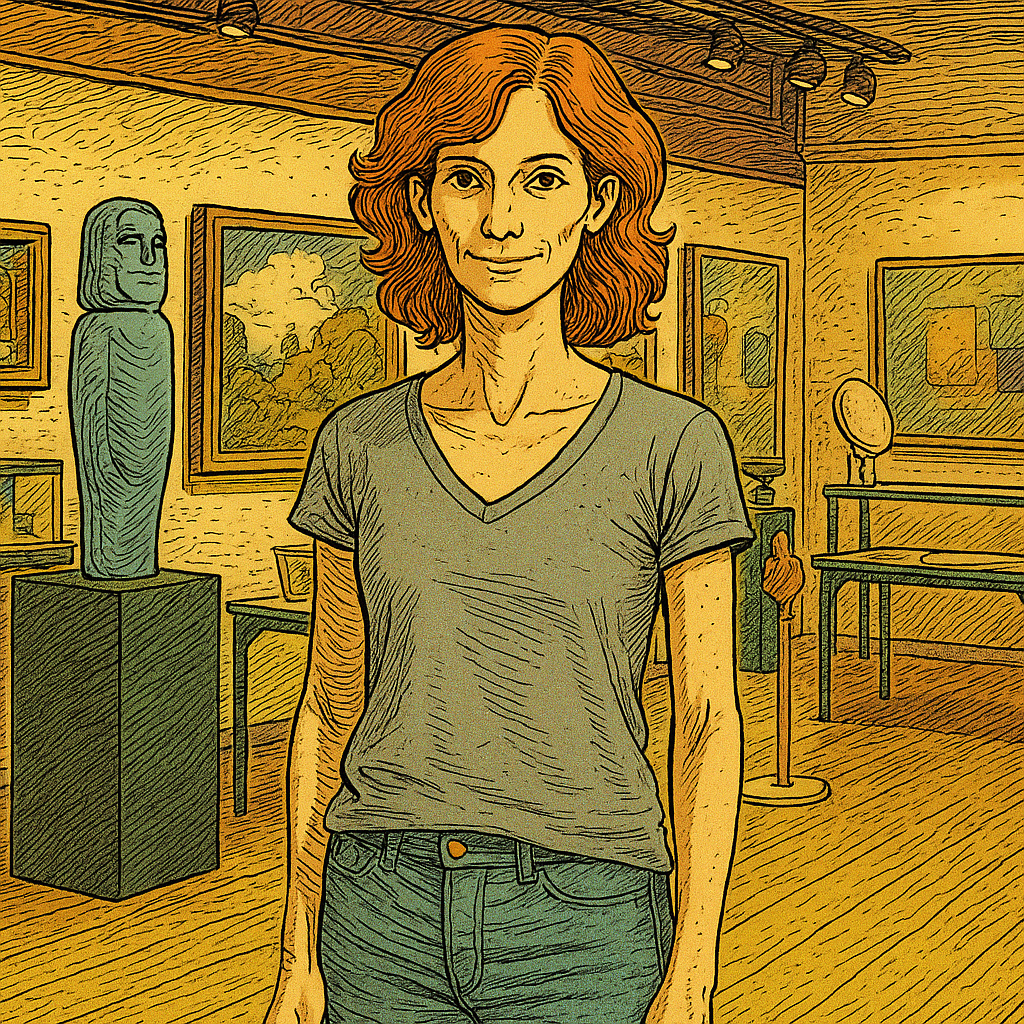
Inside the gallery, the hum of the lights became distant. I left the door open for the smell: metal, sage, and the faint sweetness that follows the first hard rain. A print on the wall warped slightly at the edge; I straightened it and left my hand there longer than needed, feeling the chill in the plaster.
When the power flickered, no one moved. We’ve learned to wait through small failures. I remembered a summer in Germany when rain like this shut down the trains. People stood in silence on the platform, as if speaking might make it worse. Here, silence feels like part of the weather.
Outside, the gutters were full again by four. The water ran brown, carrying twigs, cigarette filters, and a single paper cup that spun in its own orbit. Across the street, a pair of tourists debated whether to keep their dinner plans. One said, “It’ll pass.” The other said, “It always does.” Neither looked at the clouds.
By early evening, the storm had drifted east, leaving puddles that reflected more sky than they should. The tourists came back out, some pretending they hadn’t run. The sound of a guitar carried from somewhere near the railroad depot—soft, uneven, the kind of playing meant only for the player. I listened until a car door closed and the rhythm disappeared.
Durango’s monsoon season lasts only weeks, but the pattern fits something larger—attention, relief, forgetting. Every crisis has its rainfall. Cameras turn toward the flood, then away when the ground begins to dry. The story of the heat returns. The story of fire. The story of whatever comes next.
From the window, I could see the reflections of tail lights sliding through the puddles, each one stretching the color until it vanished. It reminded me of news headlines—bright for a moment, then gone. The world never runs out of emergencies; it only changes the order in which we notice them.
I locked the door and stood for a while on the threshold, watching the last light shift through the water on the pavement. Each reflection looked temporary, each shadow exaggerated. Somewhere downriver, another storm was forming. It would break on someone else’s schedule, in someone else’s town, where people might call it unusual, until it wasn’t.