 Clarity sounds noble until you try to live with it. In theory, truth should simplify everything; in practice, it burns away the camouflage that made life comfortable. Clarity has a cost measured in lost illusions—friends who preferred fog, colleagues who called confusion “complexity,” institutions that survive on deliberate blur.
America has spent the past decade addicted to ambiguity. Every crisis gets cushioned in euphemism. “Alternative facts.” “Election irregularities.” “Enhanced interrogation.” The national reflex is to rename the offense until it feels manageable. But clarity doesn’t negotiate. It calls a lie a lie, and that’s where the trouble starts.
The republic’s communication problem isn’t volume; it’s distortion. Everyone’s talking, no one’s defining terms. Words like patriot, woke, crime, and justice have become mood lighting—adjusted to flatter whoever’s speaking. Clarity would force a reckoning: What are we really describing? What evidence holds? Who benefits from the haze?
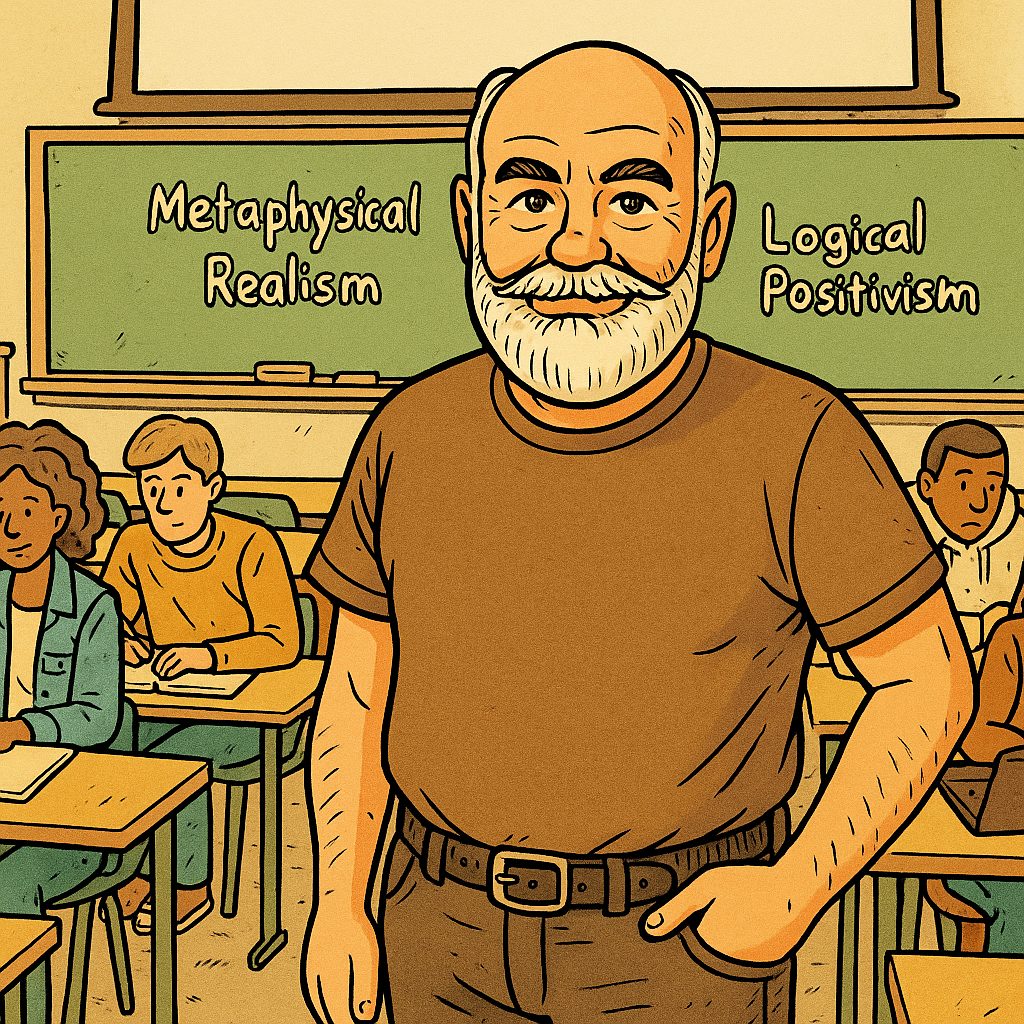
Inside academia, clarity used to be a virtue. Now it’s branded as aggression. Precision is recast as privilege, critique as hostility. The result is language so self-protective it forgets to be useful. Gritty Nick—the ex-professor who still annotates everything in his head—calls that cowardice. Ideas that can’t survive plain speech aren’t ideas; they’re decorations.
Politics isn’t better. The left wraps failure in process talk; the right disguises cruelty as courage. Both use opacity as armor. When citizens finally demand a straight sentence, the ruling class panics. Clarity exposes hierarchy—it shows who has been eating at the grown-ups’ table and who’s been on the menu.
But clarity also exacts a personal toll. Speak plainly long enough and you’ll lose invitations. Honesty doesn’t trend. The culture rewards ambiguity because it keeps markets open: everyone can project their reflection onto the same slogan. “Freedom,” “faith,” “family,” “equity”—these words survive precisely because they mean whatever the buyer wants them to mean. Clarity kills that flexibility.
Still, a country that refuses clarity eventually pays a heavier price: incoherence. When nothing means the same thing twice, coordination dies. Bureaucracies freeze, courts contradict themselves, journalism becomes theater. The noise increases while the signal fades. Power thrives in that static. The less citizens understand, the easier they are to manage.
That’s why clarity feels dangerous—it shifts the advantage. Transparent systems are harder to exploit. Clear rules expose corruption. Verified data humbles demagogues. Every reform worth keeping begins as an act of linguistic rebellion: someone names what others are afraid to describe.
There’s an art to that rebellion. Clarity isn’t cruelty; it’s respect for reality. It treats the audience as adults, not clients. It assumes that if people are told the truth straight, they’ll cope. Cynics call that naïve. But cynicism is just the coward’s version of sophistication—a pose that says “nothing can change” because change would require courage.
The practical test is simple: if a sentence hides responsibility, rewrite it. Replace “mistakes were made” with who made them. Swap “misinformation spread” with who spread it. Grammar can be a moral act. Every passive construction shelters someone. Every active verb pulls them into view.
The deeper cost of clarity is loneliness. When you stop pretending, you notice how much of civic life depends on pretending together. The meetings, the panels, the editorials—they run on consensus fog. Refusing it feels antisocial. But clarity isn’t isolation; it’s orientation. It’s how you find the road back after the mirage collapses.
America doesn’t need more vision statements; it needs instructions written in daylight. Facts that stand without adjectives. Rules that apply without translation. If that sounds dull, good. Reality usually is. The excitement belongs to those who profit from confusion.
In the end, the price of clarity is everything fake that made comfort possible. The reward is simple: you can finally see where you are.